
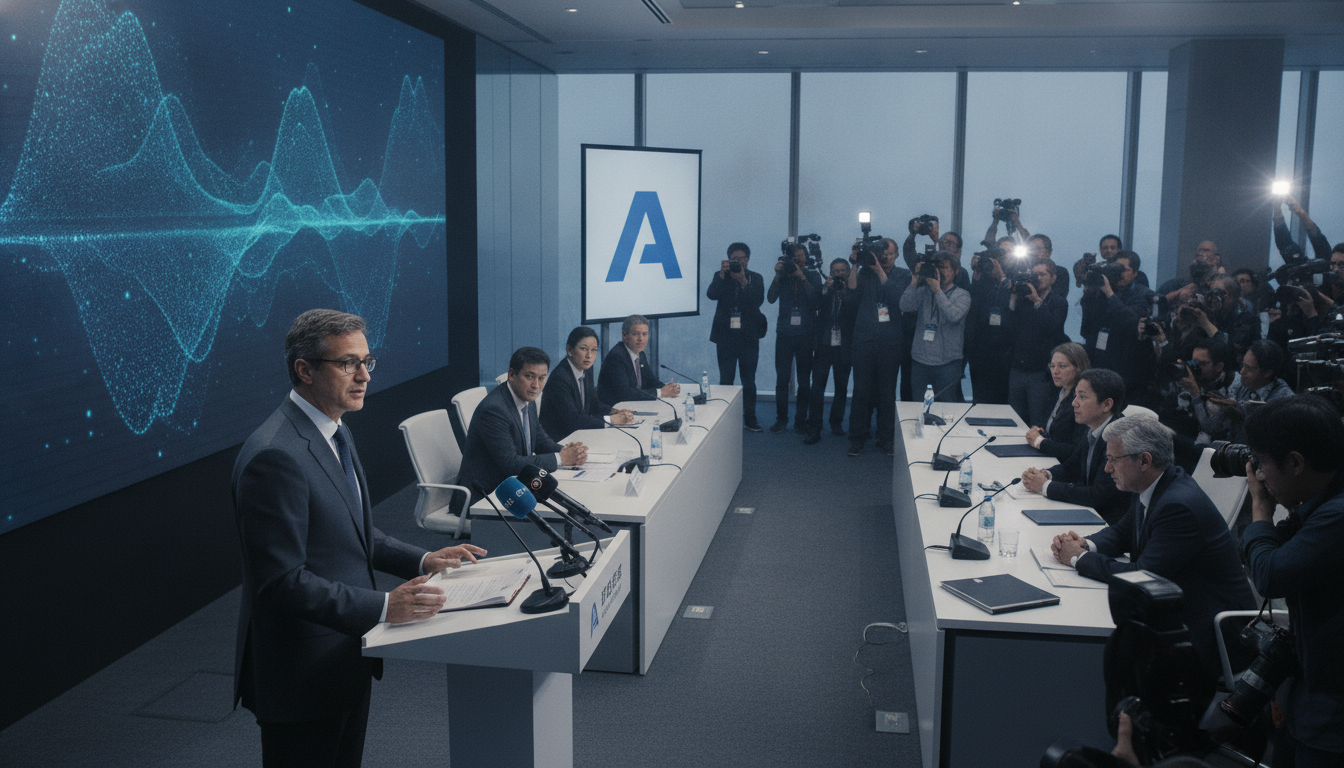
Anthropic accuses Alibaba of “largest known distillation attack” on Claude model
Anthropic accuses Alibaba of illicitly distilling its Claude model, alleging the “largest known distillation attack”; the claim raises questions about AI security and data controls.
U.S. AI developer Anthropic has accused Chinese e-commerce giant Alibaba Group of carrying out what it described as the “largest known distillation attack” on its Claude model, according to U.S. media reports. The allegation, which centers on unauthorized model replication techniques, has thrust the two companies into a high-stakes dispute over intellectual property, model safety, and the boundaries of competitive research.
Anthropic said the activity was “brazen” and illicit, framing the incident as an unprecedented attempt to recreate proprietary model behavior through distillation techniques. Alibaba has not publicly acknowledged the specifics of the allegation in detail, and further public statements from both companies remain limited.
Anthropic alleges largest known distillation attack
Anthropic’s public characterization frames the incident as significant in scale and intent, saying it targeted Claude, the company’s flagship large language model. The company alleges that automated queries and subsequent processing were used to extract behaviors from Claude and rebuild aspects of the model without authorization.
The accusation focuses on distillation, a technical process that can be used to compress or replicate model behavior by using one model’s outputs to train another. Anthropic’s claim that this was the largest known such attack suggests a breadth or volume of queries and reconstruction that, if confirmed, would be notable for the industry.
How model distillation works and the risks involved
Model distillation typically involves using a "teacher" model to generate predictions that are then used to train a "student" model, enabling smaller or different systems to approximate the teacher’s outputs. When performed benignly, distillation is a standard technique for model compression and efficiency gains.
The risk, as framed by Anthropic, is that distillation can be repurposed to clone sensitive behaviors or replicate proprietary capabilities without the owner’s consent. This raises intellectual property concerns and could undermine safety measures embedded in a model if an extracted version is deployed without appropriate guardrails.
Claude, Anthropic and the stakes for model owners
Claude has been developed by Anthropic with safety-oriented design principles and commercial licensing arrangements that underpin its deployment in enterprise and consumer services. For developers like Anthropic, the integrity of model training data, API controls, and query usage policies are core to protecting both commercial value and safety commitments.
An alleged large-scale distillation effort threatens those protections by potentially bypassing licensing and technical controls. For customers relying on vendor assurances about safety and provenance, disputed reproductions complicate trust and contractual relationships.
Implications for cloud providers and commercial partners
Cloud platforms and enterprise partners that host or resell access to advanced models face new reputational and contractual risks when accusations of illicit extraction surface. Providers must weigh technical mitigations — rate-limiting, output filtering, watermarking, and API usage monitoring — against the competitive need to offer performant services.
The incident may prompt companies to review terms of service, strengthen technical defenses, and reassess how model access is provisioned to third parties. For corporations operating in cross-border markets, differing legal frameworks and enforcement mechanisms add complexity to any remedial action.
Legal options and potential regulatory scrutiny
Allegations of model theft or illicit replication intersect with intellectual property law, contract law, and emerging regulatory frameworks for AI. Pursuing claims across jurisdictions could involve complex discovery processes around logs, usage patterns, and technical artifacts showing how a student model was trained.
Regulators tracking AI safety and data governance may also take an interest if such incidents reveal systemic vulnerabilities in how powerful models are exposed via commercial APIs. The episode is likely to accelerate policy conversations about provenance, model marking, and mandatory safeguards in commercial deployments.
Industry reaction and broader consequences for AI development
Security researchers, enterprise customers, and rival AI vendors are closely watching the dispute for its technical precedents and commercial fallout. If the allegation spurs concrete changes to access controls or standard-setting — for example, wider adoption of model watermarking or legal clauses forbidding distillation — it could alter product strategies across the sector.
At the same time, the case highlights the tension between open scientific practices and proprietary commercial development. Many in the research community advocate for reproducibility and transparency, while companies with large investments in model building emphasize protection of proprietary assets and safety engineering.
The coming days are likely to see intensified scrutiny, with both technical and legal analyses informing how the matter evolves. Stakeholders across the AI ecosystem will be watching for clarifying statements, forensic evidence, and any formal complaints or litigation that provide greater detail.
Anthropic’s allegation that Alibaba carried out the largest known distillation attack on Claude has raised immediate questions about model protection, cross-border enforcement, and the technical safeguards necessary to prevent large-scale replication of proprietary AI capabilities.

