
Australia to set “world‑leading” AI standards, Albanese says
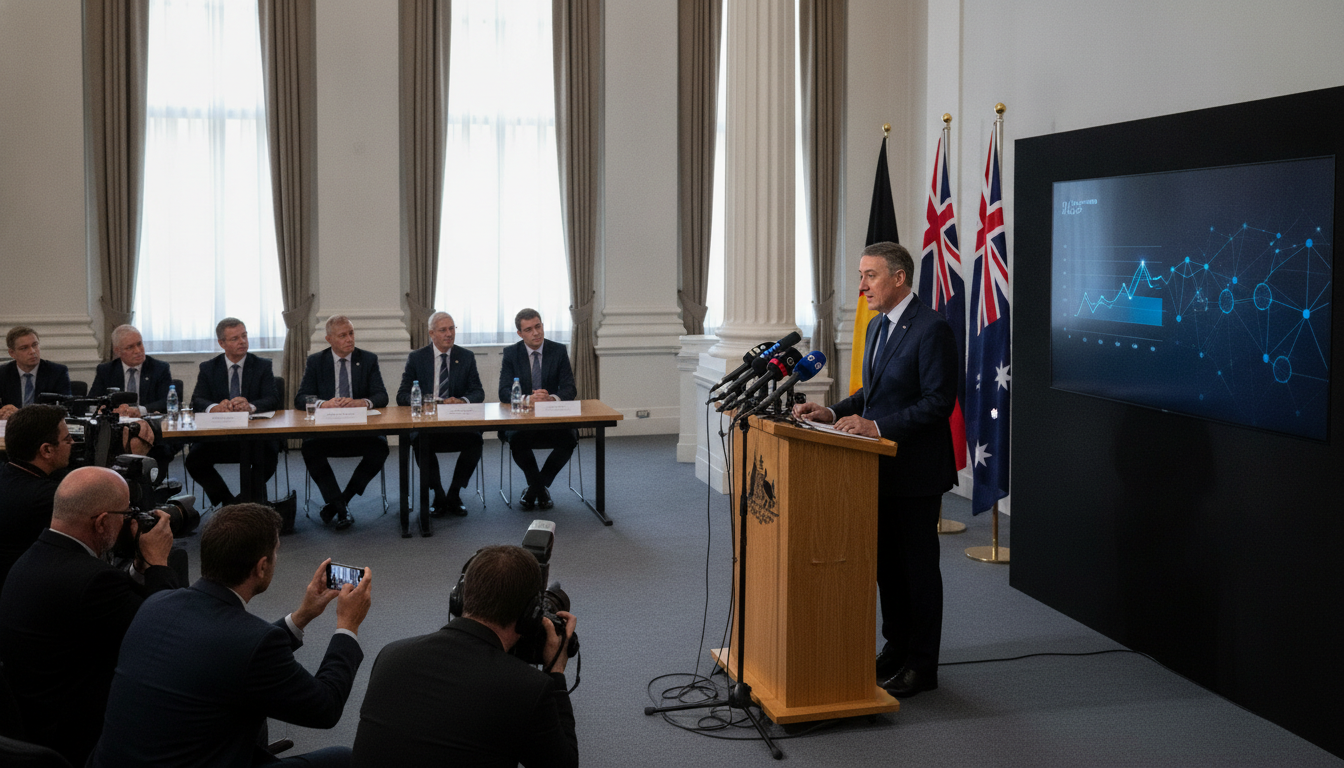
Australia will adopt world‑leading AI standards to guide development and protect citizens, Prime Minister Anthony Albanese announced in a speech at the University of Sydney on July 15, 2026. The move places “AI standards” at the center of Australia’s digital policy as the government seeks to balance innovation with safety and child protections. Albanese framed the standards as a continuation of earlier social media measures aimed at protecting young people.
Albanese unveils national AI standards
Albanese told an audience of academics, industry representatives and policymakers that Australia will pursue a comprehensive set of artificial intelligence standards to manage risks and boost public trust. He described the initiative as designed to shape the future of AI rather than be shaped by it, signaling a more proactive regulatory posture. The prime minister said the standards would be ambitious and intended to set an international benchmark.
Link to child social media safeguards
The prime minister tied the AI standards to the government’s prior actions on online safety, including measures that limited children’s unfettered access to social media platforms. He said those earlier policies demonstrated Australia’s willingness to regulate digital technologies to protect vulnerable groups. By connecting AI policy to child safeguards, the government aims to reassure parents and educators that new systems will not expose young people to additional harms.
Framework priorities and regulatory tools
Officials outlined priorities that include transparency, accountability and safety testing, with an emphasis on systems that affect critical public services and democratic processes. The government signalled it will explore a mix of technical standards, reporting requirements and compliance mechanisms to ensure those priorities are enforceable. Albanese indicated regulators will focus first on high‑risk AI uses while developing proportionate measures for lower‑risk applications.
Oversight, enforcement and industry obligations
The announcement made clear Australia expects both public agencies and private companies to play roles in meeting the new standards. Regulators will likely be empowered to audit algorithms, require risk assessments and order remediation where systems pose clear harms. Industry groups were urged to cooperate on shared technical specifications and to support independent testing regimes to demonstrate compliance.
International engagement and standard‑setting role
Albanese framed the move as part of Australia’s broader diplomatic and trade strategy, saying Canberra will engage with partners to align rules and avoid a fragmented global landscape. He invited collaboration with jurisdictions crafting their own AI rules, suggesting Australia could help bridge differing approaches in Europe, North America and the Indo‑Pacific. The government’s diplomatic outreach is intended to protect Australian firms operating abroad while ensuring imports meet domestic safety expectations.
Responses from business and advocacy groups
Reactions from industry leaders and civil society were measured in the immediate aftermath of the speech. Technology firms welcomed clarity but urged the government to avoid overly prescriptive measures that might stifle innovation and competitiveness. Advocacy organisations said stronger governance is needed, particularly around systems used in schools, policing and welfare delivery, and they called for transparent consultation on implementation details.
Parliamentary process and public consultation
The prime minister indicated that detailed proposals will follow through official consultation processes and that legislation or regulatory instruments may be introduced once those processes conclude. Policymakers will face the task of translating broad principles into enforceable rules that can keep pace with rapid technological change. Parliamentarians from multiple parties are expected to scrutinise any draft measures for economic impact, civil liberties implications and technical feasibility.
Australia’s announcement on July 15 adds momentum to a global debate over how best to govern advanced AI, positioning Canberra as an active participant rather than a bystander. The government’s emphasis on child protections, international cooperation and enforceable standards sets out a policy agenda that will shape industry behaviour and public expectations in the months ahead.

