
China growth cools in Q2 2026 as weak consumption offsets export and industrial gains
China growth cooled in Q2 2026 as weak household spending weighed on activity, even as exports and industrial production provided support to the economy.
China’s economic expansion lost momentum in the second quarter of 2026, according to official figures released on July 15, 2026, showing that consumer demand failed to keep pace with gains in trade and manufacturing. The slowdown follows a stronger start to the year and highlights a fragile recovery that remains dependent on external demand and investment in advanced industries. Industrial output rose in the first half of 2026, led by robotics and semiconductor manufacturing, but private consumption and retail figures were weaker than analysts expected.
Second-quarter slowdown and headline numbers
The latest release showed a marked deceleration in growth compared with the first quarter, driven primarily by weaker domestic spending. While headline GDP retained a positive reading, the pace of expansion fell short of the earlier quarter’s momentum and below several market forecasts. The pattern of slower household consumption, juxtaposed with resilient goods production and exports, produced a mixed macroeconomic picture that complicates near-term forecasting for China GDP.
Activity in services and consumer-facing sectors lagged, undermining a fuller recovery in domestic demand. Households cited concerns about future income and employment, according to surveys, which helped contain spending on discretionary items. That weakness was apparent in retail sales and services output, both of which underperformed relative to the manufacturing rebound.
Industrial production and tech investment
Industrial output provided a bright spot in the first half of 2026, with official data indicating a 5.4% rise year-on-year through June. Growth was concentrated in technology-intensive areas, notably robotics and the semiconductor sector, where investment and capacity expansion supported higher production. Firms in these industries benefited from ongoing demand for automation and chips, both domestically and from overseas buyers.
The shift toward higher-value manufacturing has helped sustain factory activity even as broader demand softened. Investment in equipment and factory upgrades accelerated in several industrial hubs, reflecting corporate efforts to move up the value chain and reduce exposure to lower-margin production. However, the concentration of growth in a limited set of sectors raises questions about the breadth and durability of the recovery.
Exports and external demand as a pillar
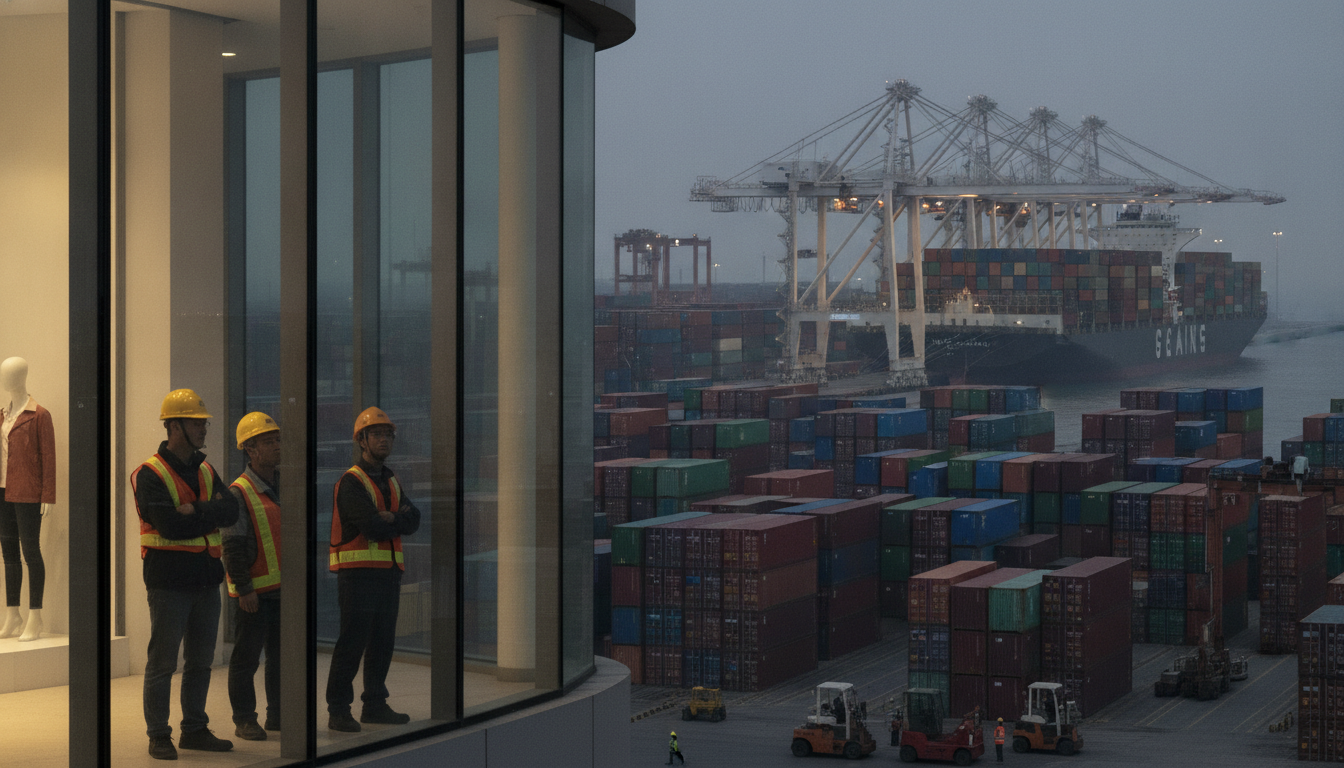
Exports remained a crucial pillar of the economy and helped offset part of the domestic slowdown in Q2. Trade resilience has so far softened the impact of geopolitical frictions, including trade tensions with the United States and instability in the Middle East, which analysts had warned could weigh on growth. Robust shipments of manufactured goods, particularly high-tech components and capital equipment, underpinned the trade balance and supported industrial activity.
The outlook for China growth will be highly sensitive to foreign demand trends in the coming quarters. Should global orders for electronics and machinery weaken, the buffer provided by exports could erode quickly. For now, exporters report steady orders, but business sentiment surveys suggest firms remain cautious given uneven global economic indicators.
Household spending and the consumption puzzle
Consumer demand emerged as the central concern in the second quarter, with weaker retail sales and slower growth in service-sector revenues. Analysts point to a combination of subdued wage growth, elevated household savings, and lingering uncertainty about employment prospects as factors restraining spending. Policy measures aimed at boosting consumption have produced some localized effects but have yet to generate sustained nationwide momentum.
The government faces a delicate balancing act between stimulating demand and avoiding overheating in asset markets. Measures to support incomes, such as targeted tax relief or subsidies, could lift short-term consumption, but structural issues—like demographic trends and income distribution—require longer-term policy responses to restore confident spending behavior among households.
Policy response, markets, and risks
Policymakers have signaled a willingness to deploy both fiscal and monetary tools to stabilise growth if necessary, while reiterating the importance of structural reforms. Financial markets reacted modestly to the quarterly data, with bond yields and the currency showing limited volatility as investors weighed the durability of export strength against domestic demand shortfalls. Credit flows to strategic industries have been prioritized, and regulators have encouraged local governments to press ahead with infrastructure and technology projects.
Risks to the recovery include a sharper-than-expected slowdown in global demand, renewed supply-chain disruptions, or a deterioration in consumer confidence. Geopolitical flashpoints could also amplify uncertainty and hurt trade, though to date such tensions have had a smaller effect on trade volumes than earlier feared. Policymakers will be monitoring labour market indicators and retail activity closely for signs of deeper weakness.
As China navigates the remainder of 2026, the balance between export-led growth and the need to revive consumption will determine whether the economy can regain a steadier expansion path. The coming months will test how effectively authorities can translate industrial and trade strengths into broader, more resilient domestic growth before international conditions shift.
Overall, the second-quarter data underscore that China growth remains uneven: strong pockets of industrial and export performance coexist with fragile household demand, leaving the outlook dependent on both external markets and domestic policy measures.

