
Delhi launches 150-billion-rupee electric-vehicle push to curb vehicle emissions
Delhi unveils a 150-billion-rupee electric-vehicle push to cut vehicle emissions, expand chargers and electrify fleets to improve the capital’s air quality.
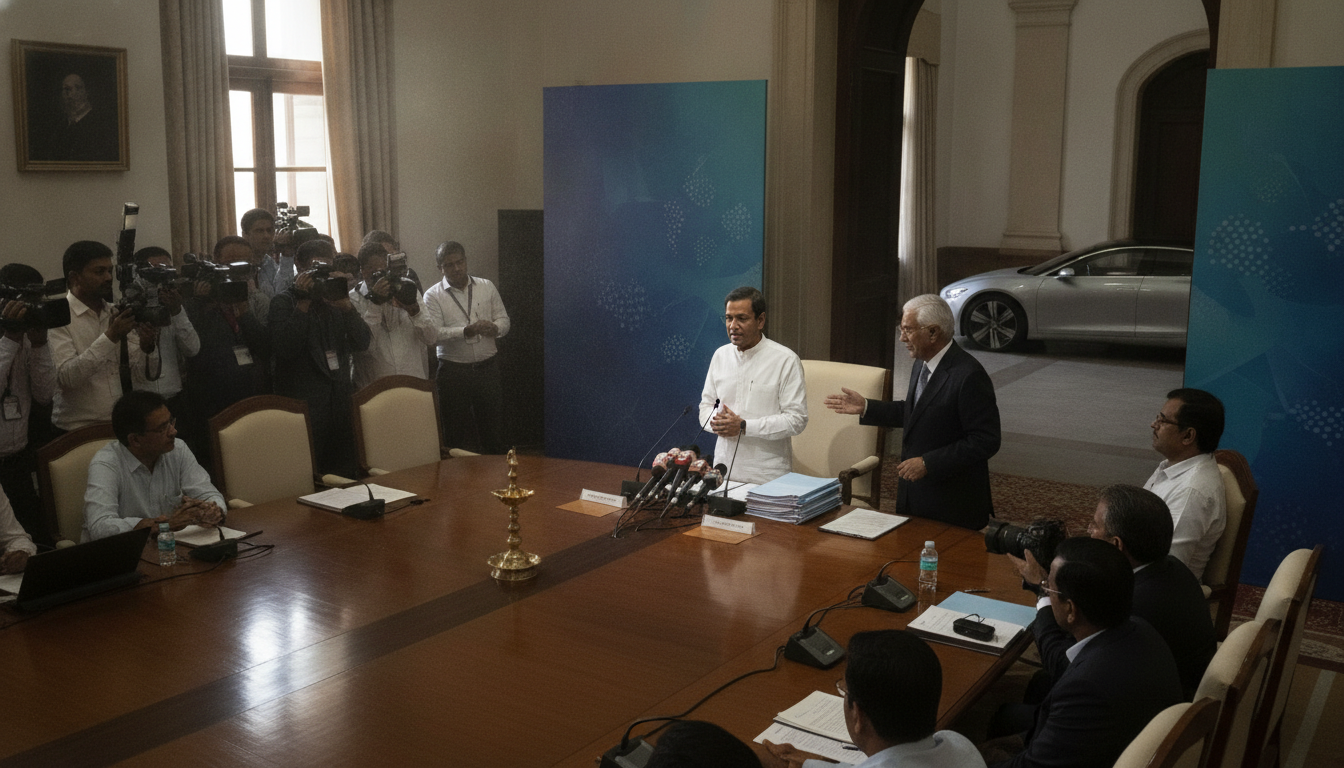
The Delhi government has launched a 150-billion-rupee electric-vehicle push aimed at reducing vehicle emissions that officials say are a leading contributor to the capital’s poor air quality. The package, announced this month, is intended to accelerate adoption of electric cars, buses and commercial vehicles while expanding charging infrastructure across the metropolitan area. City authorities framed the move as a central pillar of a broader strategy to tackle long-standing smog and health risks linked to air pollution.
Delhi unveils 150-billion-rupee electric-vehicle push
The government’s commitment of 150 billion rupees (approximately $1.57 billion) signals one of the largest municipal investments in electrification in India to date. Officials said funds will support subsidies, procurement of electric public vehicles and development of charging networks to ease consumer transition. The announcement is positioned as a direct response to increasingly urgent air-quality targets for the capital region.
Programme targets and intended outcomes
City planners describe the electric-vehicle push as designed to cut tailpipe emissions from private cars, taxis and commercial fleets while lowering overall particulate matter in urban air. The plan prioritises fleet electrification for buses and municipal vehicles and offers incentives intended to make EV ownership more affordable for commuters. Authorities expect the combined measures to produce measurable improvements in ambient air quality over the medium term.
Air pollution context motivating the initiative
Delhi has faced recurring spikes of hazardous air pollution that are tied to multiple sources, including transport emissions, industrial activity and seasonal factors that trap pollutants. Local health officials have linked poor air quality to elevated respiratory and cardiovascular risks, increasing pressure on policymakers to act. The government argues that reducing vehicle emissions is an immediate, controllable lever to protect public health in densely populated neighbourhoods.
Funding, procurement and infrastructure plans
The 150-billion-rupee commitment will be allocated across subsidies, large-scale fleet purchases and public-private partnerships to roll out charging stations, according to city planning documents. Procurement plans reportedly include converting municipal and mass-transit fleets to electric models and offering incentives to taxi operators and last-mile delivery services. Officials highlighted the need to synchronise grid upgrades with charging deployment to ensure reliable power supply and avoid bottlenecks.
Industry reaction and market implications
Automakers, charging-network operators and financiers have reacted with guarded optimism, noting that clear demand signals from a major city can spur investment and faster product rollouts. Manufacturers may accelerate local assembly and partnerships to meet anticipated procurement tenders, while charging companies see an expanded market for fast and public chargers. Private-sector players also warned that cost competitiveness, battery supply and consumer confidence will determine how quickly EVs displace internal-combustion vehicles.
Operational challenges and policy complements
City officials and experts caution that an electric-vehicle push will not on its own solve Delhi’s complex pollution challenges and must be paired with stronger regulation and public-transport improvements. Challenges include building sufficient charging infrastructure, ensuring grid capacity, training service networks and creating incentives for used-vehicle markets. The government will need to monitor emissions reductions closely and adapt policy tools to ensure the programme produces measurable air-quality gains.
The success of Delhi’s electric-vehicle push will hinge on rapid implementation, inter-agency coordination and cooperation from industry and consumers, with officials emphasising that electrification is a long-term investment in public health and urban liveability.

