
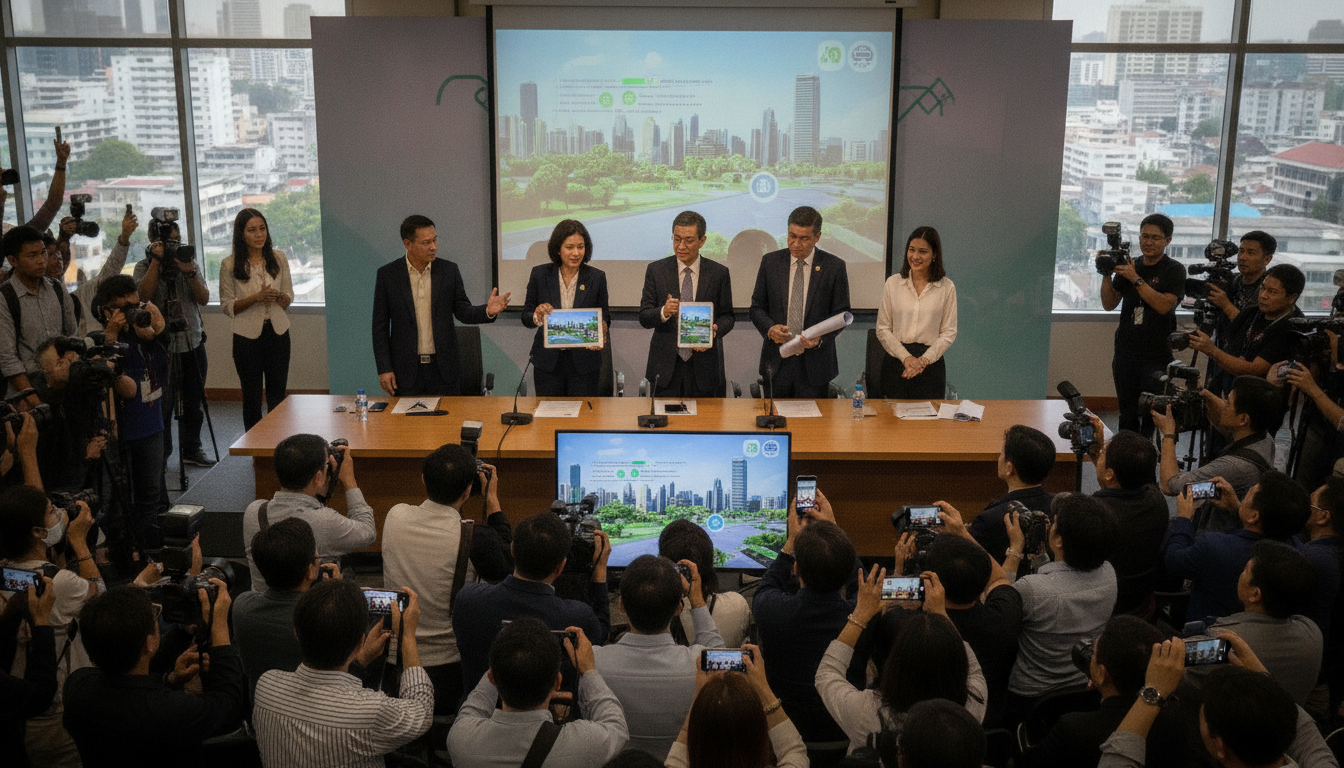
Bangkok gubernatorial election: Candidates promise transport upgrades and cleaner city ahead of June 28 vote
Bangkok gubernatorial election on June 28, 2026 sees candidates promising better transport, cleaner streets and measures to boost the city’s appeal to investors.
Bangkok, Thailand’s political and economic heart, heads to the polls on Sunday in a closely watched Bangkok gubernatorial election as candidates lay out plans to make the city more convenient and more attractive to businesses and residents. Campaigns have centered on improving public transport, reducing street-level pollution, and enhancing urban cleanliness to compete with other Asian capitals for talent and investment. With business leaders and urban planners watching, the outcome is likely to shape policy priorities and public spending in the capital for years to come.
Election Set for June 28, 2026 in Bangkok
The Bangkok gubernatorial election is scheduled for Sunday, June 28, 2026, marking a high-stakes municipal contest for control of the city’s agenda. Voters will choose leadership responsible for transport networks, waste management, public health measures, and partnerships with central government and private investors. The race has drawn heightened attention because urban policy there can influence regional investment flows and the daily lives of millions of commuters.
Candidates Prioritize Transport and Cleanliness
Candidates across the political spectrum have made transport improvements and city cleanliness central pillars of their campaigns in the Bangkok gubernatorial election. Promises include expanding commuter options, easing congestion through integrated ticketing or priority lanes, and stepping up street-cleaning and waste-collection services in commercial districts. Campaign rhetoric links these quality-of-life measures directly to the city’s ability to attract skilled workers, multinational offices, and tourism revenue.
Economic Stakes and Regional Competition
Analysts say the governor’s office is now a key lever in positioning Bangkok amid fierce competition with other Asian cities for investment and talent. Officials and business leaders argue that reliable transport and clean public spaces influence corporate location decisions as much as tax or regulatory incentives. The election’s outcomes could steer public investment priorities, shape public-private infrastructure deals, and affect how Bangkok markets itself to foreign investors over the coming term.
Policy Proposals and Funding Questions
Several candidates have floated large-scale initiatives to upgrade transit and sanitation, but funding and implementation remain central questions in the campaign. Proposals range from accelerating existing rail expansions to piloting low-cost mobility solutions and allocating more budget to waste management and street maintenance. Observers note that intergovernmental coordination, budget reallocations, and private-sector participation will determine which promises can realistically be delivered.
Voter Concerns and Grassroots Campaigns
Residents interviewed in the weeks leading up to the Bangkok gubernatorial election have emphasized everyday frustrations—long commutes, frequent congestion, littered sidewalks and uneven service access across neighborhoods. Grassroots movements and local volunteer groups have been active in pressing candidates to outline concrete timelines and accountability measures for promised reforms. Campaign teams are responding with targeted outreach in commuter hubs and public forums to address immediate urban grievances.
Administrative Challenges and Preparations
City administrators face logistical hurdles ahead of the vote, including ensuring polling access across dense neighborhoods and communicating public service plans to diverse communities. Officials have signaled preparations to maintain essential services during the transition period and to coordinate with national agencies on infrastructure projects that require broader approvals. The practicalities of implementing large transport upgrades and sweeping sanitation reforms will test the next administration’s managerial capacity as well as its political mandate.
The Bangkok gubernatorial election will be judged not only on rhetoric but on measurable improvements in daily life and the city’s competitiveness. Whoever wins on June 28 will inherit a complex governance challenge: balancing short-term fixes that ease commuter and cleanliness concerns with longer-term investments that reshape the city’s economic profile. Voters from business districts to suburban neighborhoods will watch closely for signs that promises translate into planning, funding, and results.

