
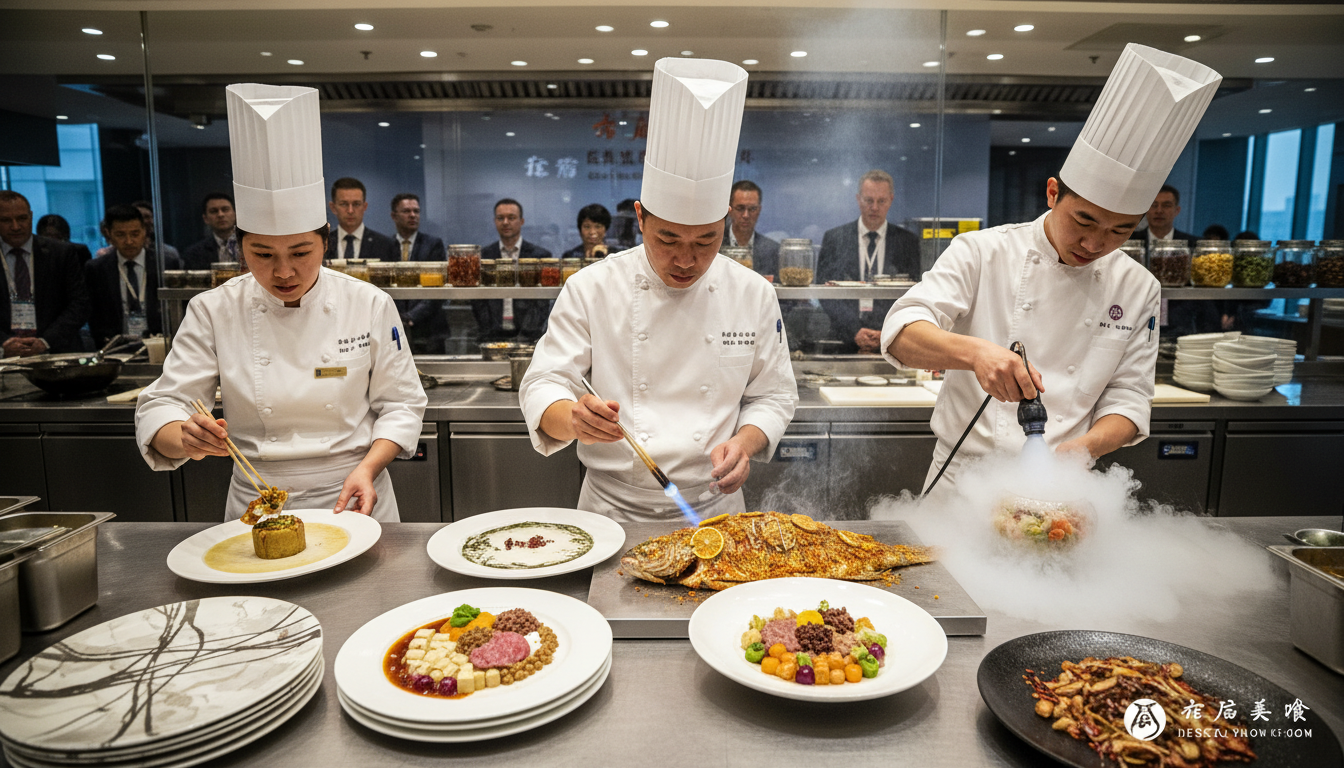
Chengdu gastronomy reimagined as chefs fuse Sichuan tradition with fine dining
Chengdu gastronomy is being redefined as a new generation of chefs blends classic Sichuan flavors with contemporary techniques, from one-Michelin-starred restaurants to neighborhood teahouses, drawing global attention.
Chengdu’s culinary reinvention is emerging as a defining story for the city’s food scene, where long-standing traditions meet modern restaurant practice. Chefs and restaurateurs in Chengdu are revisiting classic Sichuan dishes, reworking spice balances and presentation to appeal to both local diners and international visitors. This movement is visible across Michelin-recognized venues and small teahouses alike, signaling a broader shift in how Chengdu gastronomy is positioned on the world stage.
Chengdu’s UNESCO status shapes culinary identity
Chengdu’s designation as Asia’s first UNESCO City of Gastronomy has long informed the city’s culinary policies and international profile. That title has become a framework for protecting traditional techniques while encouraging innovation in restaurants and training programs. Local authorities and industry groups cite the designation when promoting Chengdu gastronomy to foreign visitors and when supporting culinary education.
One-Michelin-starred restaurants push boundaries
Restaurants earning Michelin recognition in Chengdu have used their platform to reinterpret Sichuan cuisine without abandoning its core elements. Establishments such as Mi Xun Teahouse combine refined service with flavors rooted in the region’s peppercorn, chili, and fermented sauces. Chefs at these restaurants often deconstruct classic dishes, presenting familiar aromas and textures in unexpected formats to highlight both heritage and craft.
Teahouses and street food keep traditions alive
While fine dining garners headlines, the daily fabric of Chengdu gastronomy remains firmly tied to teahouses, hotpot stalls, and street vendors. Tea culture and small eateries continue to shape daily eating habits, serving as laboratories for tastes that later appear on more formal menus. These grassroots venues preserve traditional techniques and recipes, ensuring the city’s culinary evolution is grounded in popular practice.
Young chefs rework Sichuan techniques
A new cohort of chefs trained in international kitchens is returning to Chengdu with fresh perspectives on technique and plating. They emphasize ingredient provenance, seasonal menus, and lighter handling of oil and spice to showcase subtler aromas in Sichuan cuisine. This generation is also more likely to experiment with fermentation, vegetable-forward plates, and cross-cultural cooking methods while remaining loyal to the defining sting of Sichuan pepper.
Supply chains and ingredient stewardship under scrutiny
As demand for regional specialties grows, restaurateurs and suppliers are paying closer attention to sourcing and sustainability. Farms supplying Sichuan peppercorn, chilies, and heirloom vegetables are forming direct relationships with restaurants to guarantee quality and traceability. Some chefs are prioritizing local producers and reducing reliance on imported ingredients, framing stewardship of supply chains as central to the future of Chengdu gastronomy.
Culinary tourism and economic impact accelerate growth
The reimagining of Sichuan cuisine has tangible economic effects, drawing tourists and increasing international media coverage of Chengdu’s restaurants. Food festivals, culinary tours, and specialized dining experiences contribute to the city’s hospitality sector and create opportunities for small producers. City planners and business groups are increasingly viewing gastronomy as a growth engine that can support jobs across farming, processing, and hospitality.
Despite the changes, chefs emphasize continuity as much as innovation, framing their work as an exploration of depth rather than a break from the past. Whether in a one-Michelin-starred dining room or a corner teahouse, the same ingredients and communal ethos that define Sichuan cooking remain central. The current transformation of Chengdu gastronomy thus reflects both a respect for culinary heritage and a strategic effort to place the city at the center of contemporary food culture.

