
Chery and Autobacs to Sell Electric Vehicles in Japan from 2027 as Local Production Considered
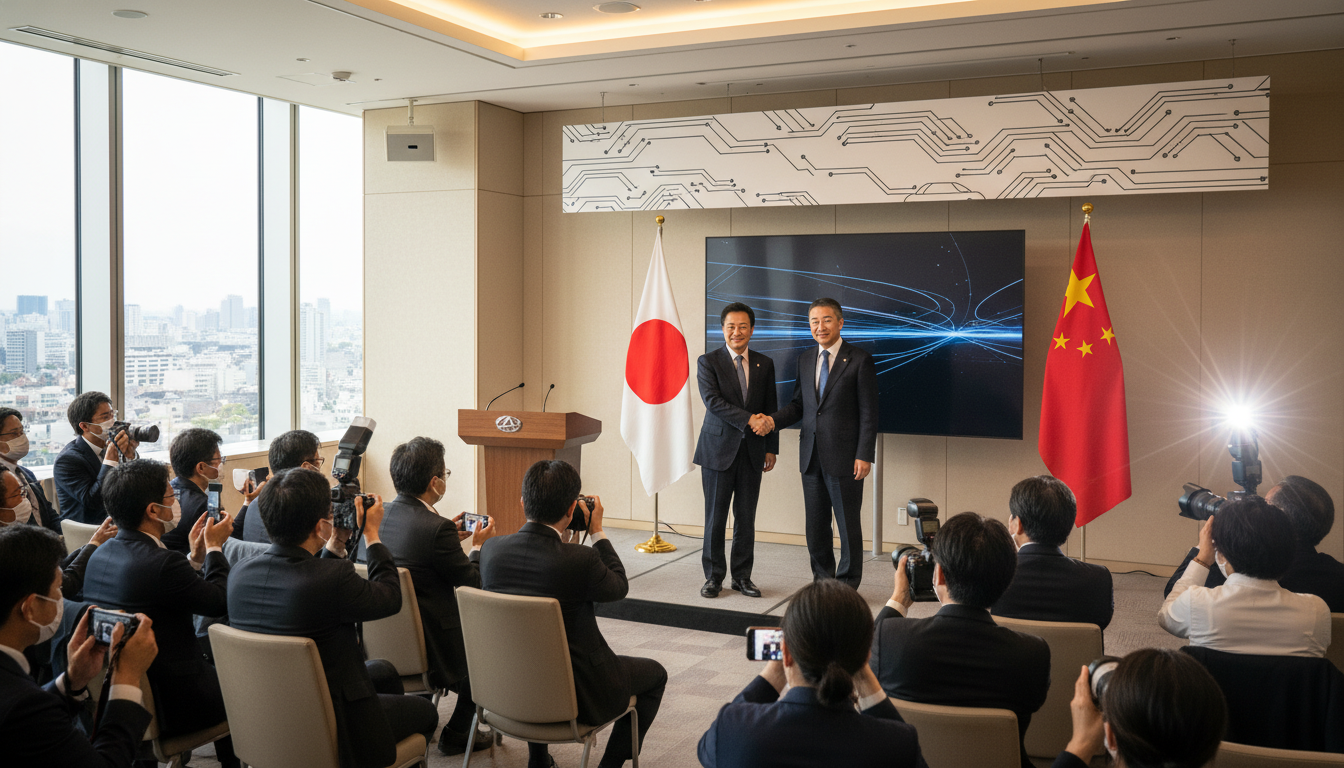
Chery and Autobacs will jointly sell electric vehicles in Japan beginning in 2027, with the partners also exploring local production to support expansion. The move seeks to leverage Autobacs Seven’s extensive retail network and Chery’s rising global sales footprint to accelerate consumer access to EVs in Japan. The partnership signals a new phase of foreign and domestic collaboration in Japan’s evolving electric vehicle market.
Chery and Autobacs confirm 2027 Japan launch
Autobacs and Chery said they will begin selling electric models in Japan in 2027 through a coordinated sales arrangement. The companies described the initiative as a joint effort to bring Chery’s battery electric vehicles to Japanese consumers via Autobacs’ outlets.
The announcement sets a clear timetable for market entry and frames 2027 as the start of sales rather than immediate distribution or manufacturing. Both firms indicated that further operational details and specific launch dates will be disclosed as preparations progress.
Autobacs retail network to handle distribution and aftersales
Autobacs Seven operates an extensive retail and service footprint with roughly 1,200 stores globally and will use that network to market and service the Chery electric vehicles. The retailer’s existing customer base for accessories and used cars gives it a direct channel to reach drivers who may be considering electrification.
Using Autobacs outlets could speed delivery of vehicles to regional customers and provide aftersales support, including maintenance and parts distribution. The arrangement allows Chery to rely on a local partner familiar with Japanese consumer expectations and regulatory requirements.
Chery’s global position and what it brings to Japan
Chery has moved up international sales rankings and was among the top global sellers in recent industry figures, reflecting its growing scale in new vehicle sales. The automaker brings experience in developing cost competitive electric vehicles and scaling production, attributes that could influence pricing and model choices for Japanese buyers.
The partnership gives Chery market access while allowing Autobacs to expand beyond parts and used cars into full vehicle retailing. Observers note that this model of cooperation reduces upfront capital for both sides while leveraging complementary strengths.
Discussions under way over Japanese production options
Executives from both sides have indicated that local production in Japan is under consideration as part of long term planning. Talks reportedly cover options from assembly through contract manufacturing to fuller local production depending on regulatory and market developments.
Local manufacturing would aim to shorten supply chains and potentially tailor models to Japanese specifications and consumer preferences. It would also raise questions about investment scale, supplier ties and possible incentives from local governments to attract automotive production.
Regulatory approvals and market hurdles for new entrants
Before sales can begin, Chery must secure necessary approvals for vehicle certification, safety standards and emissions testing in Japan. Compliance with local regulations and consumer safety norms will be a prerequisite to dealer roll out and aftersales support.
Beyond technical approvals, the partners will need to address consumer perceptions of foreign brands, charging infrastructure availability and competition from established domestic manufacturers. Building trust through warranties, service networks and communications will be central to early sales efforts.
Implications for competition and consumer choice in Japan
The Chery Autobacs partnership comes as Japanese automakers continue to invest heavily in electrification and as foreign brands seek footholds in the market. Increased model variety could intensify price competition and offer more choices for shoppers prioritizing value and technology.
Retail entry by a parts and service specialist also highlights alternative distribution channels beyond traditional dealership networks. If successful, the move may prompt other retailers and overseas manufacturers to pursue similar tie ups.
Analysts point to timing and pricing as decisive factors
Industry analysts say the partnership’s commercial success will hinge on competitive pricing, model suitability for local tastes and the partners’ ability to scale sales and service quickly. The 2027 launch timetable gives both sides time to complete regulatory work and build logistics, but market conditions will remain fluid.
Affordability and total cost of ownership will be especially important in convincing mainstream buyers to switch to electric vehicles in Japan. Autobacs’ sales and aftersales strengths could be an advantage in delivering convincing ownership propositions.
The partnership between Chery and Autobacs marks a notable development in Japan’s electric vehicle landscape and underscores the diverse strategies being deployed to expand EV adoption nationwide. With a targeted 2027 start and possible local production on the table, the collaboration will be watched closely by competitors, dealers and consumers as it moves from planning into execution.

