
Audit clears DJI drones of major security flaws as U.S. restrictions threaten $1.5bn in sales
U.S. audit finds no major vulnerabilities in DJI drones, yet U.S. restrictions may cost the Chinese maker up to $1.5bn in sales this year, analysts say.
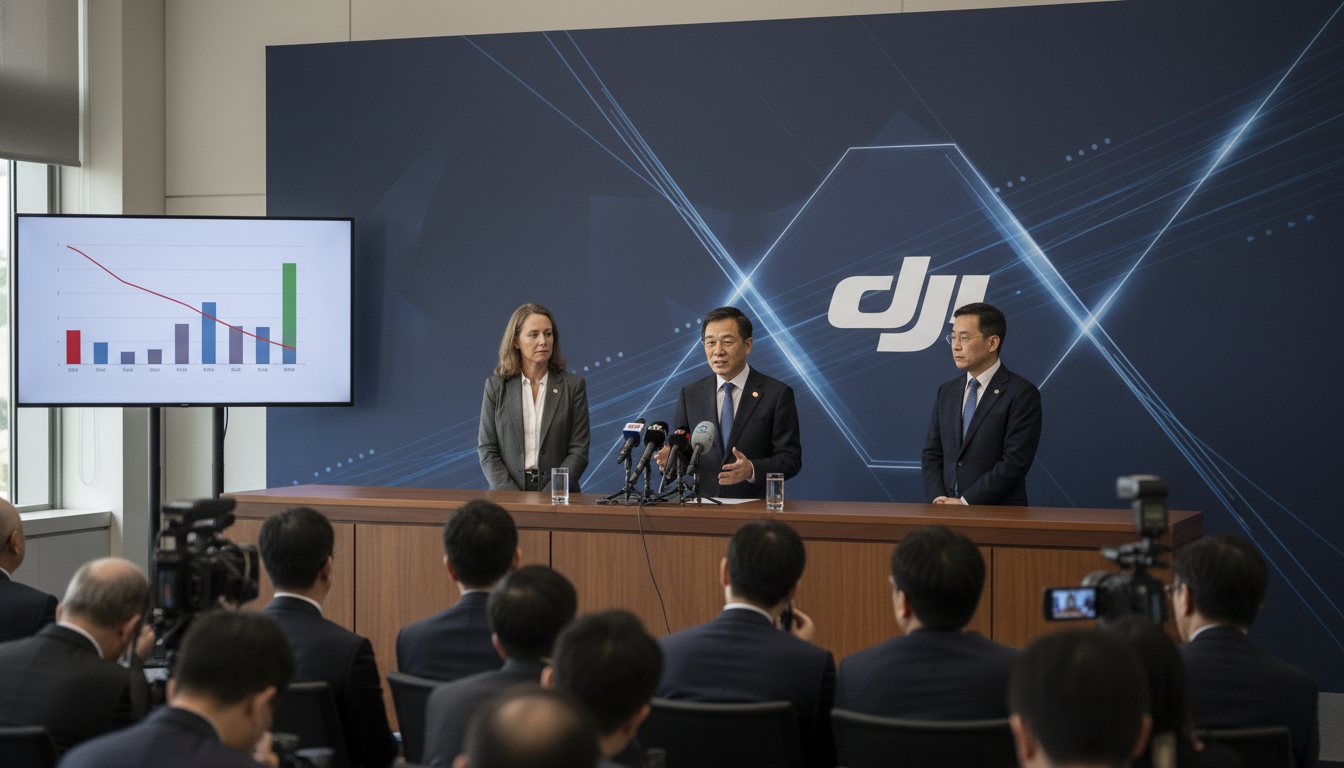
NEW YORK — An independent U.S.-based cybersecurity audit found that two DJI drone models presented no major security vulnerabilities and showed no evidence of transmitting data outside the United States. The findings come amid tightening U.S. restrictions on foreign-made drones that analysts say could still cost the Chinese manufacturer as much as $1.5 billion in lost sales this year. The audit result complicates an intensifying debate over national security, commercial reliance and the future of drone deployment in U.S. markets.
Audit Finds No Significant Security Flaws
The audit, conducted by a U.S.-based cybersecurity firm, examined two commercially available DJI models and concluded there were no major software or hardware vulnerabilities that would pose systemic national-security risks. Reviewers reported they found no signs that the examined drones were configured to send flight logs or other sensitive data outside U.S. networks. The assessment focused on technical pathways commonly flagged by security officials and did not uncover evidence of remote data exfiltration linked to those models.
No Evidence of Data Transmission Outside the U.S.
Investigators specifically assessed telemetry and data storage behaviors and determined the sampled models did not appear to transmit user data to servers overseas under normal operating conditions. The audit statement said its testing did not identify "evidence of data transmission outside the U.S.," a finding that addresses one of the principal concerns behind recent regulatory action. Security experts caution, however, that audits of a limited number of models cannot rule out risks in other products or future software changes.
Sales Risk: Up to $1.5bn at Stake
Industry estimates cited alongside the audit warn that U.S. restrictions on foreign-made drones could reduce the Chinese maker’s sales sharply, with potential losses estimated at roughly $1.5 billion this year. These projections reflect a sudden shift in procurement decisions by corporate buyers, public safety agencies and federal contractors that historically accounted for a substantial share of commercial drone purchases. Market observers note that a rapid reorientation toward alternative suppliers would be disruptive and costly for existing DJI customers who rely on established maintenance networks and compatible accessories.
U.S. Restrictions and Market Impact
Before recent restrictions, DJI held a dominant position in the U.S. commercial market, supplying more than half of commercial drones used across industries such as agriculture, inspection and media. That market presence is now at risk as procurement policies and vendor lists are updated to comply with new rules aimed at limiting foreign-made equipment. Regulators and procurement officials argue the measures are precautionary, while corporate and municipal users face practical questions about replacement timelines, interoperability and training for new platforms.
Implications for Public-Sector and Commercial Users
The audit’s technical findings may not immediately alter procurement decisions, as many government agencies pursue broader policy goals beyond the security posture of individual models. Emergency services, infrastructure operators and broadcasters have warned that abrupt equipment changes could interrupt operations and raise costs for training and certification. Some customers may seek waivers or transitional arrangements, while others could accelerate shifts to domestically produced or allied-nation suppliers to ensure continuity and compliance.
Regulatory Review and Industry Response
Regulators are expected to weigh the audit alongside other intelligence, policy and supply-chain considerations before adjusting guidance or exemptions. The audit may prompt calls for more comprehensive, model-by-model testing and for certifications that provide clearer assurance to buyers and policymakers. At the same time, the drone industry is likely to press for standardized security evaluations and clearer procurement pathways to reduce market uncertainty and support continuity for operators.
The audit’s findings narrow the technical dispute over the two models examined but leave open broader policy questions that will determine whether DJI drones remain accessible to U.S. customers. As regulators, buyers and manufacturers digest the report, the immediate economic and operational impacts of past and pending restrictions are likely to shape procurement strategies for the remainder of the year.

