
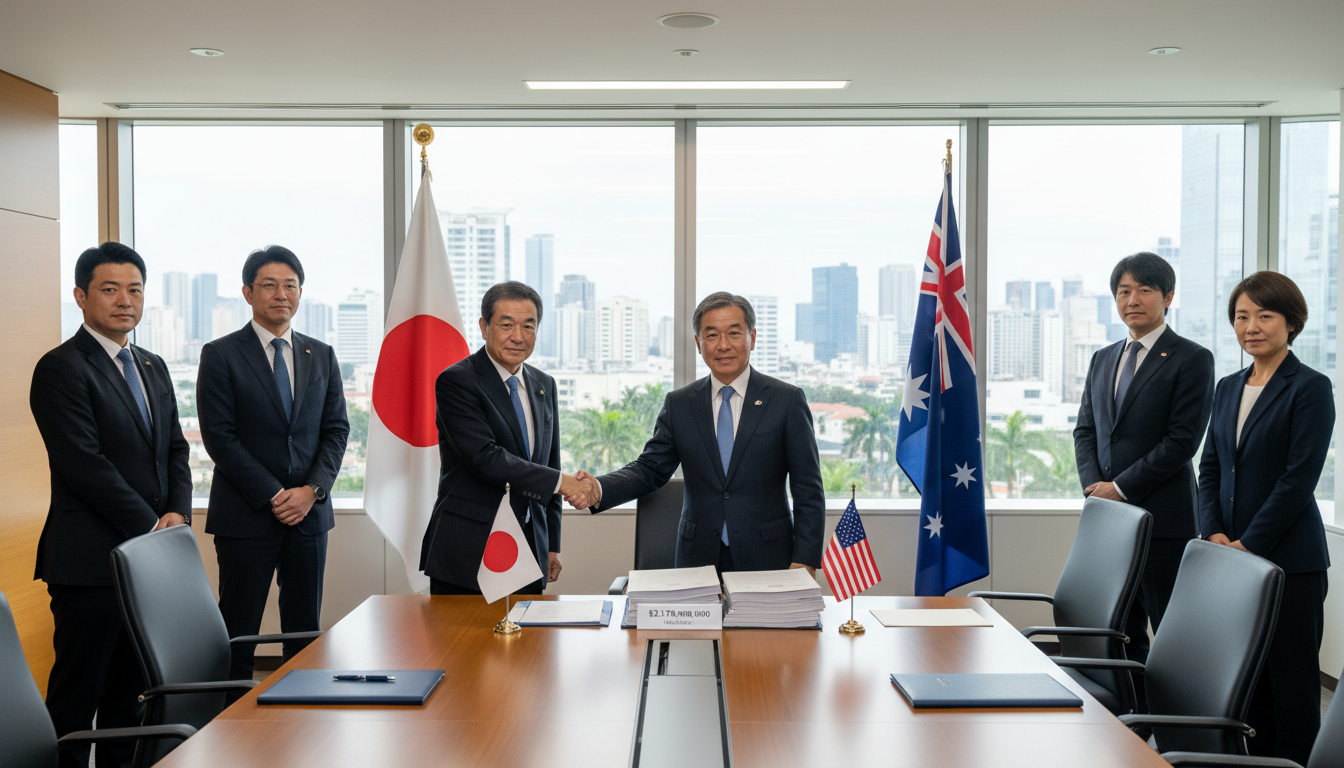
Eneos to Buy Chevron’s Fuel Products Business for $2.17 Billion in Southeast Asia and Australia
Eneos to buy Chevron’s fuel products business for $2.17bn, acquiring operations in six countries including Singapore to expand in Southeast Asia and Australia.
Eneos Holdings announced on May 14 that it will buy Chevron’s petroleum product marketing businesses in Southeast Asia and Australia for $2.17 billion. The Eneos acquisition of Chevron fuel business covers fuel product operations in six countries, including Singapore, and is positioned as a bid to capture growth across Asia-Pacific markets.
The deal marks one of the largest downstream expansions by a Japanese energy group in recent years. Eneos said the acquisition reflects its strategy to bolster retail and distribution networks beyond Japan while accessing faster-growing demand centers in the region.
Deal terms and immediate scope
Eneos disclosed the headline purchase price at $2.17 billion and said the transaction covers Chevron’s fuel marketing operations in six countries. Company statements identified Singapore among the nations involved but did not list the full roster of markets in the initial announcement.
The Japanese group indicated the assets comprise fuel product marketing and related distribution businesses rather than upstream oil or large refining complexes. Eneos presented the acquisition as primarily focused on downstream retailing and product distribution in local markets.
Geographic footprint and market reach
Executives described the targeted markets as key hubs for transportation fuel demand and logistics in Southeast Asia and Australia. Singapore, as an established trading and bunkering center, provides a strategic foothold for regional supply chains and product arbitrage.
By taking on operations across multiple jurisdictions, Eneos will inherit dealer networks, service stations, commercial accounts and supply agreements that can be integrated into its existing distribution platform. The move expands the company’s Asia-Pacific footprint at a time when regional fuel consumption patterns remain resilient.
Strategic rationale behind the Eneos acquisition
Eneos framed the purchase as a growth play to diversify revenues outside its home market and capture higher-margin downstream opportunities. The company said it aims to leverage local brands and operational platforms to strengthen market share and optimize fuel flows across its network.
Management cited the potential for synergies in procurement, logistics and retail marketing, and underscored the long-term value of scale in distribution as energy markets evolve. The acquisition also offers Eneos the chance to deepen commercial ties in markets that are central to Asia’s transportation and industrial demand.
Financial considerations and approvals
Beyond the $2.17 billion headline price, Eneos did not immediately disclose financing arrangements or the expected closing timetable in its announcement. The company said it will provide further detail as the deal progresses and as customary conditions are met.
Large cross-border energy deals typically require regulatory approvals and clearance from competition authorities in the jurisdictions affected. Eneos noted the transaction will proceed in line with applicable legal and regulatory requirements and that finalization is contingent on those processes.
Potential market and industry implications
Analysts expect the acquisition to intensify competition among established oil majors and local retailers in Southeast Asia and Australia. For Eneos, the deal could accelerate downstream margin capture and provide a platform for future product and service diversification.
Regional fuel markets vary by country in demand growth, regulatory regimes and infrastructure, so integrating operations across multiple territories will present execution and compliance challenges. How Eneos harmonizes pricing, branding and supply logistics will determine the speed and scale of potential benefits.
Operational integration and next steps
Eneos indicated it will begin integration planning once the transaction moves forward and that it intends to retain key local personnel to preserve relationships with dealers and commercial customers. The company said it will evaluate branding, supply contracts and retail strategies to align the acquired assets with its wider commercial objectives.
Management emphasized a phased approach to integration, prioritizing continuity of supply and service while seeking incremental efficiencies. Eneos also signaled it will review opportunities to invest in local infrastructure upgrades where those would improve product flow and customer experience.
The acquisition positions Eneos to expand its downstream footprint across a dynamic part of the Asia-Pacific region and to capitalize on established fuel networks in key markets. As the deal moves through regulatory and commercial stages, investors and industry watchers will look for details on financing, the complete list of countries included, and the company’s roadmap for integrating operations and capturing synergies.

