
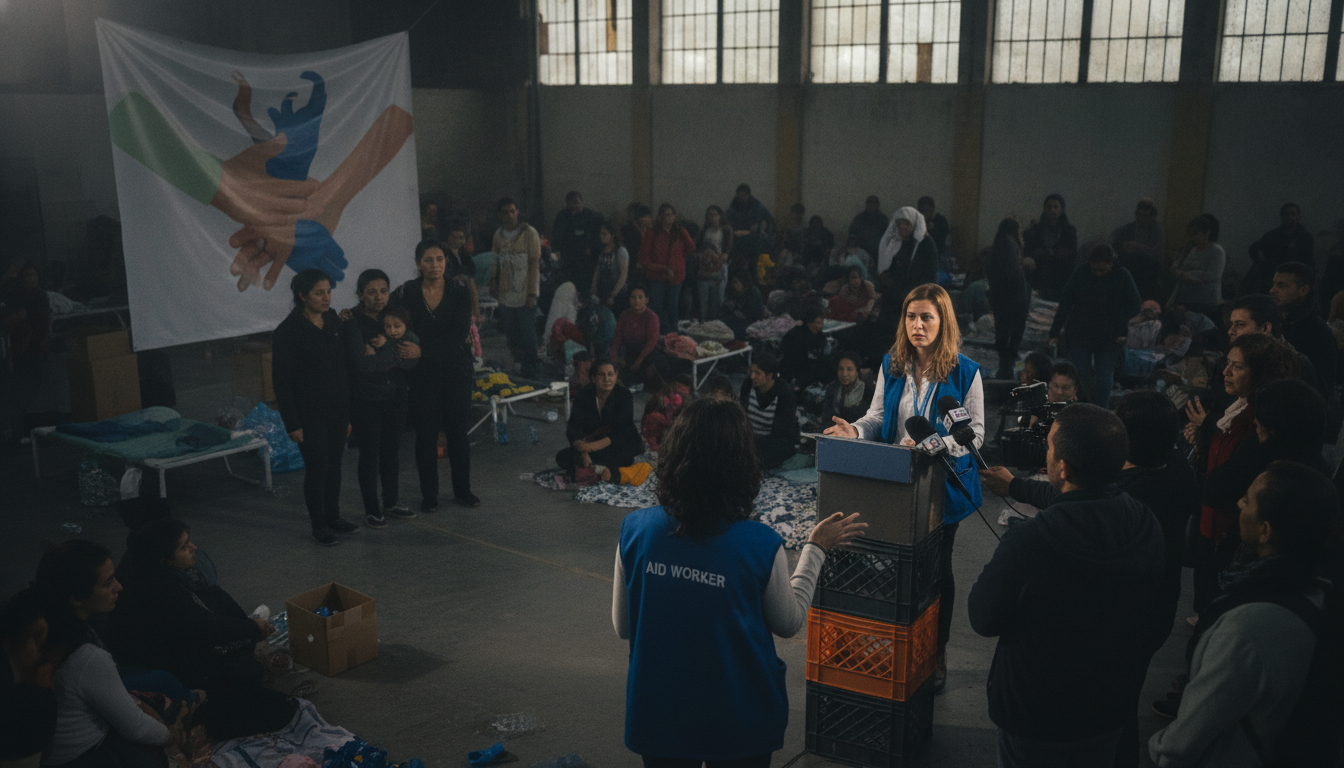
Study Warns of Sexual Violence in Evacuation Shelters After Disasters
Disaster researchers warn that sexual violence in evacuation shelters rises sharply after major disasters, as Shizuoka University Professor Keiko Ikeda’s post-2011 survey identifies privacy failures and exploitative aid dynamics as primary drivers.
Key findings from the 2011–2012 survey
Professor Keiko Ikeda of Shizuoka University, who specializes in disaster risk and gender, led an on-the-ground study from October 2011 to December 2012 into violence against women and children following the 2011 Great East Japan Earthquake. The research found two dominant patterns of sexual violence in evacuation shelters: assaults tied to inadequate shelter environments and incidents driven by quid-pro-quo exploitation. The findings point to vulnerabilities created both by physical conditions and by unequal access to resources.
Privacy gaps and physical layout that enable abuse
The study documented instances where inadequate privacy in communal settings created opportunities for harassment and assault. Survivors reported situations such as men deliberately lying beside women in open sleeping areas, persistent voyeurism during changing or breastfeeding, and attacks near poorly lit facilities where streetlights or lighting systems were damaged. Emergency shelters that lack separate, lockable spaces for families or women-only areas leave survivors exposed to repeated intrusions and reduce the likelihood that they will report abuse.
Transactional sexual exploitation linked to aid shortages
Ikeda’s team identified a second pattern the researchers classified as “transactional” sexual violence, where perpetrators exploit survivors’ dependency on lifesaving supplies and assistance. In these cases, those controlling distribution of food, water, shelter materials or personal care were reported to have demanded sexual favors in exchange for goods or services. Such power imbalances are particularly acute in the immediate aftermath of a disaster, when survivors have little choice but to accept aid from whoever controls scarce resources.
Barriers to reporting and protection for survivors
The survey highlighted multiple obstacles that prevent victims from seeking help, including stigma, fear of retaliation, and lack of confidential reporting channels within shelters. Many survivors told researchers they kept incidents secret to avoid shunning or because they depended on the presence of the perpetrator for daily needs. Additionally, shelters often do not have trained staff or protocols to receive and respond to sexual violence reports, which undermines protection and impedes access to medical and psychosocial support.
Practical recommendations from researchers
Based on the research, Ikeda and colleagues recommend immediate and low-cost modifications to shelter design and operations to reduce sexual violence in evacuation shelters. Priority measures include installing partitions and lockable spaces for changing and sleeping, ensuring continuous lighting in and around facilities, and designating women- and child-only areas. The researchers also emphasize the need for equitable, transparent systems for distributing supplies and for establishing confidential reporting mechanisms with trained responders on site.
Policy and operational gaps identified
The study finds that legal and institutional frameworks often do not translate into concrete protection measures at the shelter level. While disaster plans may mention the need to protect vulnerable groups, operational checklists and budgets frequently omit essentials such as privacy screens, separate sanitation facilities, and staff training on gender-based violence. The absence of designated funding and accountability lines means many shelters are unprepared to prevent or respond to sexual violence when disasters strike.
Training, community engagement and long-term planning
Researchers urge that preventing sexual violence in evacuation shelters requires both immediate fixes and longer-term capacity building. Training shelter managers, volunteers and first responders to recognize signs of abuse and to handle complaints confidentially is critical. Community engagement—ensuring women, children and marginalized groups have input into shelter planning and management—can also reduce risks and improve trust in reporting systems.
The research underlines that sexual violence in evacuation shelters is a predictable and preventable consequence of disasters if planners prioritize privacy, equitable aid distribution and survivor-focused response. Implementing the study’s recommendations could reduce harm and ensure that evacuation shelters serve their intended purpose: safety and dignity for all survivors.

