
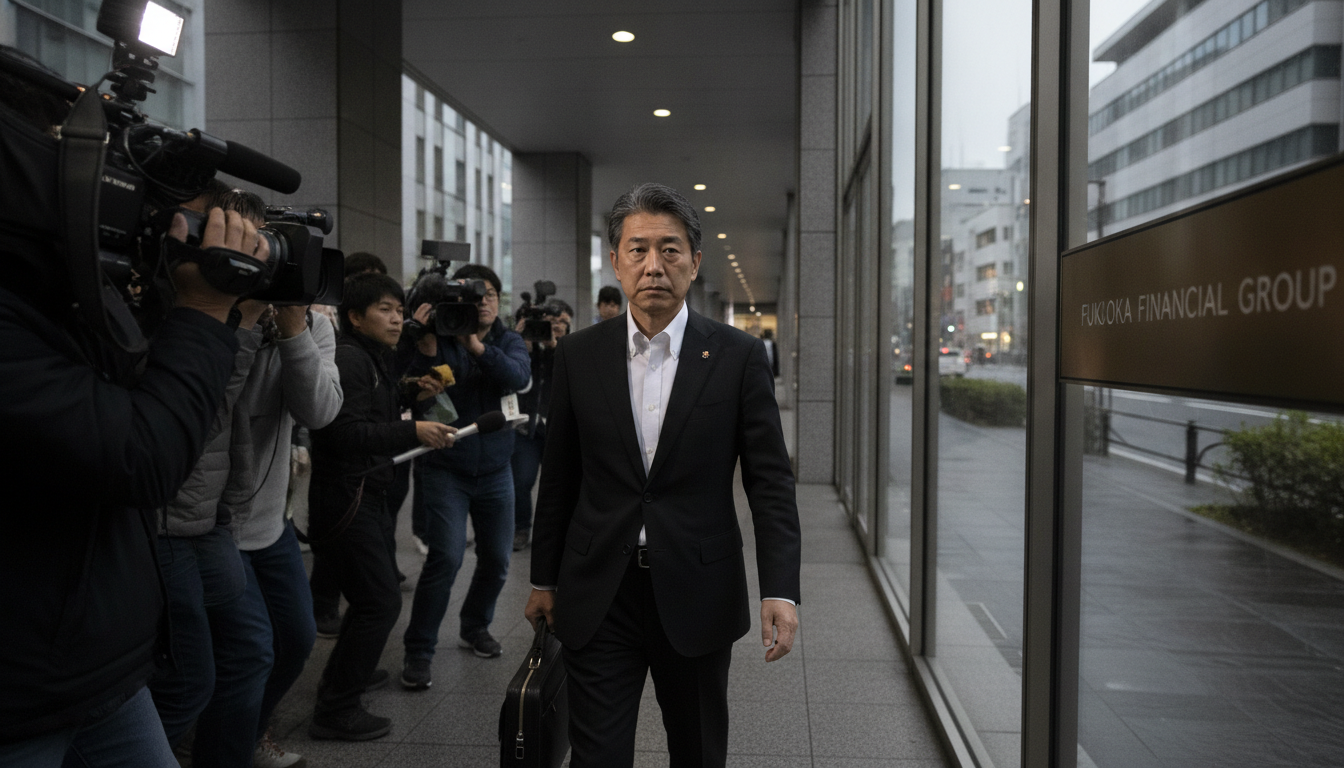
Fukuoka assembly vice-chair Masayuki Nakao resigns amid cash-for-posts allegations
Fukuoka assembly vice-chair Masayuki Nakao resigned July 24, 2026 amid cash-for-posts allegations after a colleague released a recording alleging a ¥10M demand.
Masayuki Nakao, the vice-chair of the Fukuoka Prefectural Assembly, submitted his resignation on July 24, 2026 as scrutiny mounted over cash-for-posts allegations involving top assembly positions. The prefectural assembly secretariat confirmed the resignation was accepted by assembly leadership, and Nakao was scheduled to speak at a press conference later that afternoon. The move follows public testimony and the publication of an audio recording that a fellow assembly member says documents a demand for payment tied to the assembly chairmanship.
Resignation filed and accepted by assembly bureau
The assembly secretariat said Nakao formally handed in his resignation and that it was recognized by assembly leadership. Officials declined to provide further procedural details, citing ongoing internal matters and the pending press briefing.
Nakao, 61, is a member of the Liberal Democratic Party and was serving his sixth term after first being elected in 2003. He previously held the assembly chair position for one year beginning in 2016, giving him seniority in the chamber’s leadership ranks.
Allegations detailed by a fellow assembly member
The controversy centers on testimony from a colleague who says he was asked to pay money before assuming the assembly chairmanship. The lawmaker, identified publicly by his surname, testified that he paid ¥10 million prior to taking the post and released what he described as a recorded conversation as supporting evidence.
The released audio has become a focal point for the investigation into cash-for-posts allegations, prompting questions about whether monetary exchanges have influenced leadership appointments in the prefectural assembly. The colleague’s disclosure has intensified public and political scrutiny, drawing attention to how assembly leadership positions are decided.
Nakao’s previous responses and stance on the recording
Nakao has addressed the matter in prior media appearances, acknowledging that the voice in the recording was his but denying there was any monetary exchange. He held two earlier press conferences to contest aspects of the allegations while admitting the audio contained his voice.
Despite acknowledging the voice, Nakao has consistently rejected claims that he accepted payments in connection with the chair or vice-chair appointments. His resignation signals a new phase in the controversy, as investigators and political actors reassess the credibility and implications of the recording and related testimonies.
Political fallout inside the Fukuoka assembly
The scandal has unsettled the assembly’s leadership dynamics at a time when stable governance is expected by the public. The vice-chair vacancy and the cloud of allegations raise immediate questions about the selection process for senior assembly posts and whether further personnel changes will follow.
Opposition members and civic groups have called for transparent inquiry measures and for the assembly to clarify safeguards against improprieties in office selection. The episode has also prompted broader debate in Fukuoka over ethical standards for elected officials and internal party management.
Administrative response and wider prefectural reactions
Prefectural administration officials have signaled concern and indicated they will monitor developments closely while respecting the assembly’s internal procedures. Separately, prefectural executives have announced temporary restraint measures for certain official activities amid heightened public attention to governance issues.
A number of local stakeholders urged swift clarification to restore public trust, with some recommending the establishment of an independent review panel or third-party inquiry to examine the allegations and any related decision-making processes. Calls for transparency reflect growing public sensitivity to perceived conflicts of interest in regional politics.
Next steps: investigation, press briefing and assembly procedure
Nakao’s planned press conference this afternoon is expected to outline his reasons for resigning and his response to the recorded material, though officials have not confirmed the precise content he will deliver. Assembly authorities may open internal inquiries and coordinate with relevant oversight bodies depending on the findings from testimony and the audio evidence.
The assembly must now address leadership succession for the vice-chair post and consider whether the chair position requires reaffirmation or electoral process adjustments. Observers say the next several days will be critical for determining whether the incident prompts policy changes or procedural reforms within the assembly.
The resignation of Masayuki Nakao marks a significant turn in the controversy over cash-for-posts allegations in Fukuoka, as political leaders and the public await further explanation and any formal investigations.

