
Golden Week 2026 travel guide: dates, crowds and how to plan for Tokyo and beyond
Plan ahead for Golden Week 2026 travel in Japan with practical tips on dates, transport, quieter Tokyo neighborhoods, day trips and budget strategies to avoid crowds.
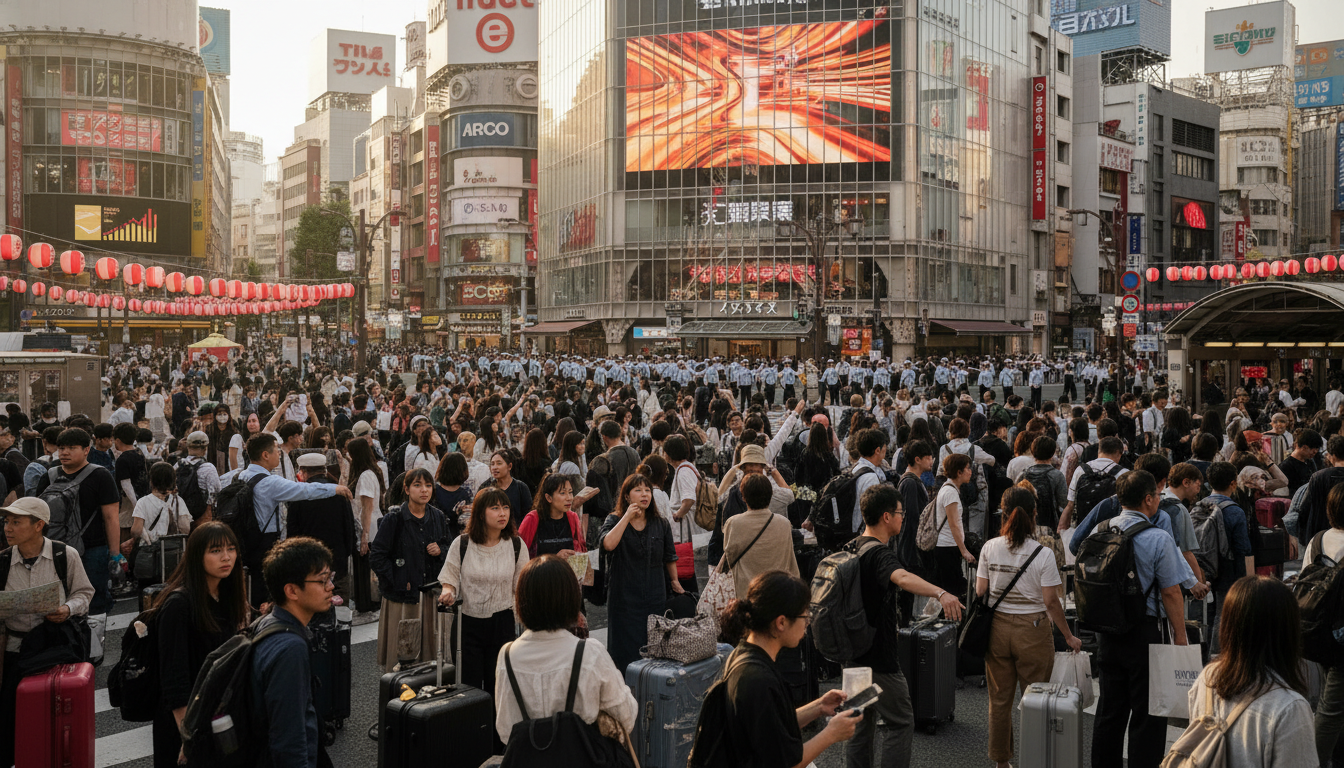
Golden Week is Japan’s busiest domestic travel period, and Golden Week 2026 will again concentrate millions of trips into a short span that drives crowds, higher fares and sold-out services. This guide explains the official holiday dates, where and when pressure on trains, buses and hotels is likely to peak, and practical steps residents and visitors can take to secure tickets, save money and still enjoy Tokyo or other destinations during the holidays. Read on for neighborhood recommendations, day-trip options and crowd-beating tactics tailored to the 2026 schedule.
Golden Week 2026 dates and travel outlook
Golden Week 2026 officially centers on public holidays from April 29 through May 6, with the main national holidays falling within that window. Travelers should note that the sequence of calendar days and weekends determines peak travel flows and when services will sell out.
Because multiple national holidays occur within a few days, many salaried workers combine public holidays with paid leave and weekends, producing a concentrated surge in demand for transport and accommodation. Expect the busiest travel moments on the evening before the first long weekend and on the final return day, when office and school schedules normalize.
Advance-booking behavior and surge pricing mean trains, planes and hotels will often be fully reserved weeks in advance. Shinkansen reserved seats and airline bookings are particularly vulnerable to early sellouts, while budget options such as overnight buses and low-cost hotel rooms frequently rise to premium rates.
How Japan’s holiday rules concentrate travel
Golden Week’s heavy travel flows come from a mix of calendar mechanics and social norms that amplify demand across the country. The cluster of national holidays in late April and early May encourages many people to take contiguous days off, creating multi-day travel windows rather than isolated day trips.
Japan’s holiday calendar includes rules that ensure some days become public holidays when they are adjacent to others, while substitutes are applied if a holiday falls on a Sunday. Those rules occasionally extend Golden Week in particular years and can lead to extended breaks that drive exceptionally large movements of people.
Because companies, schools and municipal offices often coordinate around national holidays, many services either reduce operations or close entirely, prompting people to travel while their workplaces are closed. The net result is predictable crowding at major tourist hubs, transport terminals and popular sightseeing sites.
Booking and ticketing tactics to avoid disappointment
If you plan to travel during Golden Week, the most effective single step is advance reservation. Lock in trains, flights and hotels as early as possible, and use reserved-seat options for rail journeys to guarantee your place. Booking windows for shinkansen and limited express seats are finite and fill quickly.
For air travel, consider midweek departures or late-evening flights to avoid the most congested slots. If you must fly on peak days, secure your ticket at the earliest possible moment and check baggage and check-in rules to avoid last-minute stress at busy airports.
Budget-conscious travelers should weigh overnight buses and hostel dorms early in the planning phase. While these options often surge in price, locking in a low-cost seat or berth before the price spike can yield savings. If you prefer flexibility, identify refundable or changeable fare classes and factor the cost of cancellation or date changes into your itinerary.
Where Tokyo gets quieter and where it stays packed
Tokyo can be a surprisingly good place to be during Golden Week if you choose the right neighborhoods and activities. Many residents travel out of the capital, which can reduce commuter congestion inside the city even while major tourist attractions remain busy.
Avoid headline tourist magnets such as Tokyo Disneyland, the busiest shrine and temple precincts, and the most photographed viewpoints during peak hours. Instead, explore traditional “shitamachi” districts like Yanaka and Nezu, where small temples, craft shops and older shopping streets offer a slower pace and fewer queues.
Neighborhoods beyond the Yamanote loop — such as Nishi-Ogikubo, Ogikubo, Asagaya, Kōenji and Kichijōji — retain a local atmosphere with independent cafes, secondhand bookshops and quieter shopping streets. These districts reward slow walking, window-shopping and lunch at neighborhood izakaya without competing with the mass tourist traffic you’ll find in central hubs.
Practical neighborhood picks and activities in Tokyo
If you want an authentic, low-stress Golden Week in the city, plan experiences that don’t rely on big-ticket attractions. Spend a morning in a local sentō or explore a small shrine away from the main routes to feel the holiday rhythm without the crush.
Visit Inokashira Park in Kichijōji for lakeside walking and people-watching, or stroll the side streets of Shimokitazawa and Daikanyama for boutique shopping and coffees. Try a capsule hotel for a single-night novelty stay or book a neighborhood ryokan if you want a traditional experience without leaving Tokyo.
Local markets, small museums and craft shops are often open and provide a reliable day’s program. If you want a guided option, short tours and small-group experiences can secure access to activities that would otherwise be sold out to larger groups.
Day-trip and regional alternatives that beat the worst crowds
If you prefer to leave Tokyo, choose destinations where capacity is higher or visitation is more dispersed. Classic day trips such as Kamakura, Hakone, Nikkō and Kawaguchiko remain popular and are well served by transport, but expect heavier crowds and queueing at major sites.
Consider lesser-traveled alternatives that still offer scenery and local culture. Chichibu’s mountain vistas and seasonal festivals, Nagatoro’s river activities, and Mount Ōyama’s hiking routes provide outdoor escapes with lower visitor density than headline tourist centers. Smaller towns like Takasaki—known for its daruma crafts and regional cuisine—are also viable options for a quieter break.
If you plan to use the shinkansen for a longer overnight trip, buy reserved seats early and travel outside the morning rush to reduce time spent in congested stations. For weekend returns, consider leaving a day earlier or returning a day later to avoid the peak exodus.
Managing money and availability during Golden Week
Expect transportation fares and accommodation prices to rise during Golden Week. While train ticket surcharges tend to be fixed increases on some services, hotels and private transport options use market-driven pricing that can double or more on peak nights.
To manage costs, book rooms in advance and consider smaller guesthouses or business hotels outside the central wards. If you have travel flexibility, shifting travel days by just 24 hours can lower costs significantly. For longer journeys, look for package tours or group travel options aimed at the Golden Week market, which sometimes include negotiated rates for hotels and activities.
Be aware of business closures: many municipal offices, post offices and some small private services close for the holidays. Pharmacies, clinics and specialty shops may operate reduced hours, so verify opening times before relying on any specific service during the holiday span.
Events, cultural highlights and seasonal viewing during the holidays
Golden Week coincides with pleasant spring weather and a number of seasonal festivals that can enrich your visit. Flower festivals, wisteria displays and park events are common attractions and can be a good way to enjoy crowd-friendly outdoor experiences.
Major theme parks, seasonal exhibitions and cultural fairs host special programming during the holidays; these events can be enjoyable but are also magnetically popular. If a particular festival or exhibition is key to your itinerary, secure entry tickets or timed reservations ahead of time and plan arrival before the crowds swell.
Local cultural activities — smaller shrine ceremonies, neighborhood markets and artisanal workshops — are often less crowded and more accessible for travelers seeking a more relaxed immersion in local life. Check event calendars early and prioritize outdoor or ticketed experiences that guarantee entry.
Final planning checklist and travel protocols
Create a short checklist before you travel: confirm reserve-seat tickets, double-check hotel reservations, note alternative routes and have backup plans if your first-choice transport sells out. Carry photocopies or saved screenshots of confirmations and keep local emergency numbers and clinic hours at hand.
If you are traveling with family, schedule travel during off-peak hours and build rest time into each day to avoid burnout from heavy crowds. For solo travelers, consider joining small-group tours which offer curated access and reduce the logistical burden of securing multiple reservations.
Golden Week brings both opportunity and challenge: the holidays present a chance to enjoy local culture and seasonal events, but they require deliberate planning to avoid frustration. With bookings secured early, flexible thinking and a focus on less congested neighborhoods or nearby escapes, you can enjoy a satisfying Golden Week experience without the full force of the crowds.
Plan ahead, stay flexible and prioritize experiences that match your tolerance for crowds and cost.

