
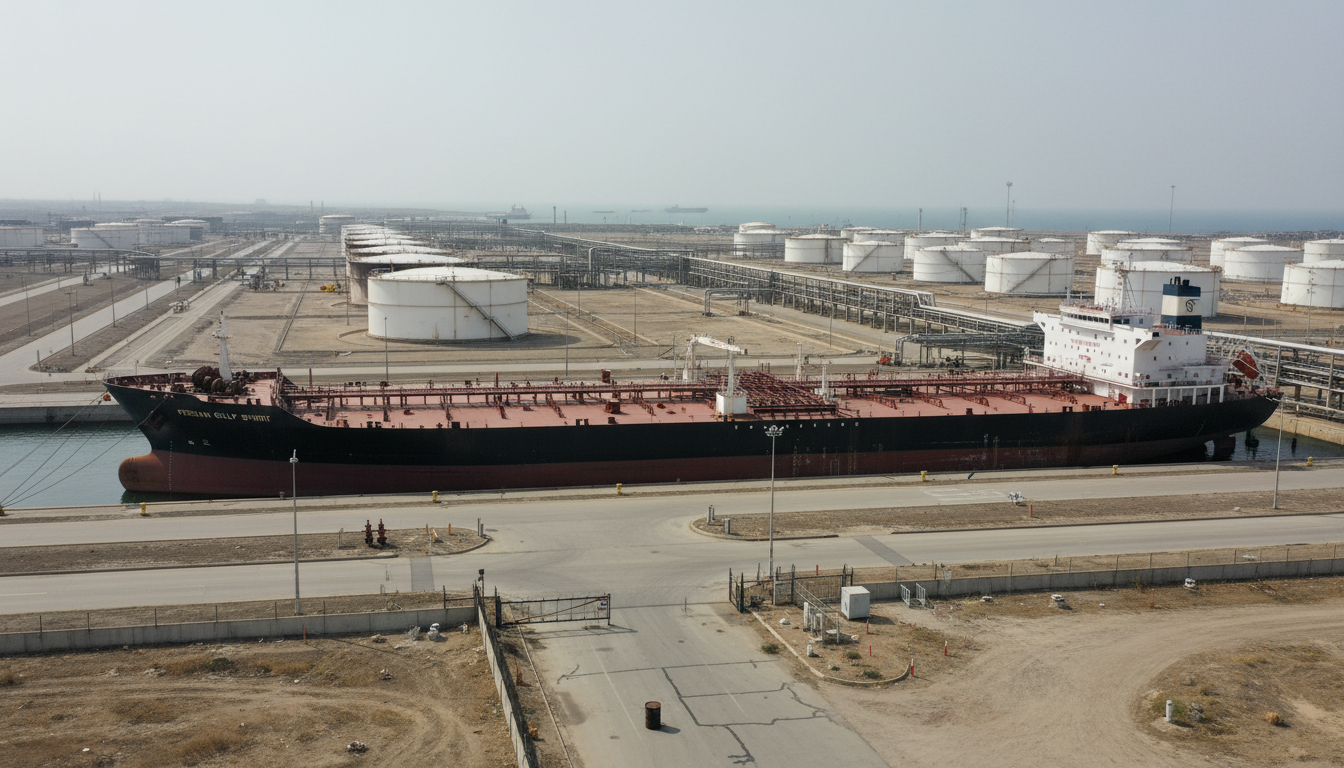
War on Iran removes about 500 million barrels from global oil market, Kpler finds
Kpler says the war on Iran removed about 500 million barrels from the global oil market, the largest modern disruption, heightening risks of price spikes.
The war on Iran has removed roughly 500 million barrels of crude from the global market, according to data compiled by analytics firm Kpler, in what the firm describes as the largest energy supply disruption in modern history.
Reuters reported the scale of the disruption is equivalent to nearly a month of oil demand in the United States, or more than a month for all of Europe, underscoring the magnitude of the losses tied to the conflict involving Iran, the United States and Israel.
Kpler’s estimate and the scale of losses
Kpler’s analysis aggregates disruptions to production, exports and crude flows linked directly to the conflict and related sanctions and logistical constraints.
The firm’s headline figure — about 500 million barrels — marks an unprecedented removal of supply in contemporary energy market history, and has become a central metric for traders and policy makers assessing global vulnerability.
Comparisons with regional and global demand
Reuters framed the volume in demand-equivalent terms to illustrate impact: roughly one month of U.S. oil consumption and more than a month of European demand.
That comparison highlights how concentrated disruptions from a regional conflict can ripple through large consuming economies, compressing available supply and intensifying market sensitivity to further shocks.
How crude supply was curtailed
Kpler’s numbers reflect a mix of factors that typically follow sustained conflict: halted exports from affected facilities, damaged or closed terminals, diverted tanker movements and temporary shutdowns of wells or pipelines.
Insurers, shippers and trading houses often react to heightened risk by rerouting cargoes or withdrawing services, actions that can compound initial physical losses and slow the reintroduction of crude to world markets.
Market reaction and price implications
Tightening physical supply of the magnitude reported tends to increase volatility in futures and spot markets and places upward pressure on benchmark crude prices.
Market participants often respond by repricing risk, increasing hedging activity and drawing on inventories, while energy ministers and central banks watch for inflationary spillovers to fuel and transport costs.
Policy and industry measures under consideration
A disruption on this scale typically prompts a range of governmental and industry responses, including strategic reserve releases, diplomatic efforts to de-escalate conflict and adjustments in production quotas by major exporters.
Producers with spare capacity may be asked to increase output, and consuming nations can coordinate through reserve swaps or temporary import diversions to stabilise supply and calm markets.
Geopolitical knock-on effects and supply-chain strain
Beyond immediate crude volumes, the conflict has strained shipping routes and insurance markets, increasing costs and transit times for oil and petroleum products.
These secondary effects can have enduring consequences for refining economics, regional fuel availability and the costs passed on to consumers, particularly in import-dependent economies.
Outlook for monitoring and market stability
Analysts and policymakers will continue to monitor Kpler’s flows data alongside official production and export reports to track how much of the reported 500 million-barrel shortfall is structural versus temporary.
A key determinant of near-term market stability will be the speed at which suspended exports can be safely restarted, the availability of spare capacity from other suppliers, and any diplomatic developments that reduce operational risk.
The magnitude of the crude withdrawal attributed to the war on Iran underlines the interconnectedness of geopolitics and energy security, and it has prompted renewed attention from trading floors, ministries of energy and international organisations focused on maintaining steady oil supplies.

