
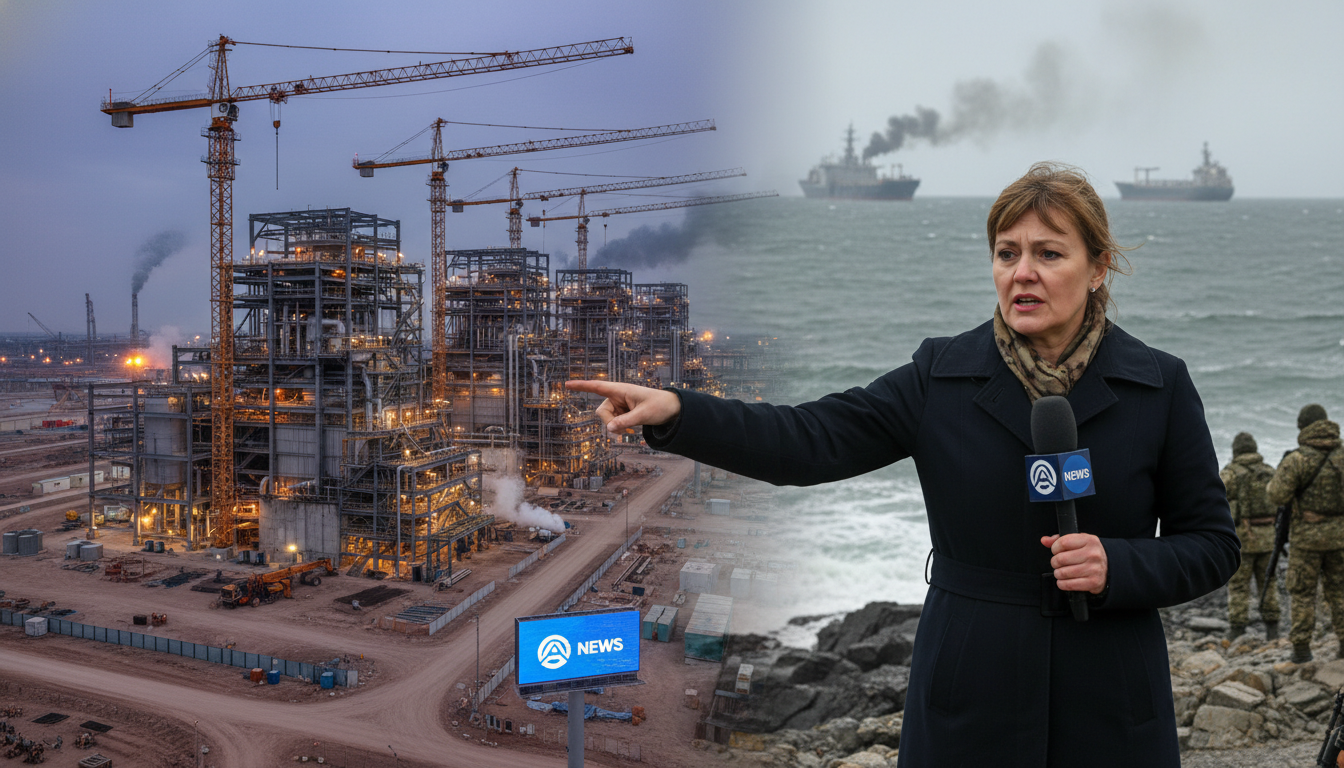
Hengyi Petrochemical to build “world’s largest” coal-to-chemicals plant as oil supply worries grow
Hengyi Petrochemical says it will build the world’s largest coal-to-chemicals plant to secure supply, citing national security and oil-market risks amid Middle East tensions.
Hengyi Announces Coal-to-Chemicals Megaproject
Hengyi Petrochemical has unveiled plans to construct what it describes as the world’s largest plant converting coal into a major chemical product traditionally derived from crude oil. The company framed the project as a strategic move to reduce reliance on imported crude amid growing uncertainty over oil flows from the Middle East, including concerns tied to Iran.
The announcement signals a significant pivot for one of China’s largest private petrochemical firms and reflects broader industry interest in diversifying feedstocks away from petroleum. Hengyi’s statement did not disclose full technical specifications or a firm timetable, but it emphasized the project’s scale and its role in strengthening supply stability.
National Security and Supply Stability Cited
Company officials pointed to national security considerations as a driving rationale, arguing that domestic coal-based production would insulate critical chemical supplies from disruptions in global oil markets. That rationale gained prominence as geopolitical tensions in the Middle East have raised questions about the reliability and cost of crude oil imports for China and other major consumers.
Analysts say the narrative of supply security has become more common among downstream energy and chemical firms seeking to shield operations from price swings and transport risks. For policymakers, projects that reduce import dependence can also align with strategic economic goals, even as they raise fresh trade-offs in environmental and regional planning.
Xinjiang and Resource Logistics Underpin Project Choice
The planned shift to coal feedstock dovetails with the location choices favored by many coal-to-chemicals developments in China, notably the Xinjiang Uygur Autonomous Region, which is rich in coal reserves. Proximity to abundant coal makes large-scale coal-to-chemicals economics more feasible, reducing raw-material transport costs and strengthening regional industrial clusters.
But siting such an expansive plant in resource-rich interior regions adds logistical and social considerations, from transport infrastructure for finished products to local water and power needs. Local employment and downstream industrial benefits are likely to be emphasized by developers and regional authorities as key justifications for the investment.
Technical and Environmental Challenges Ahead
Converting coal into petrochemical feedstocks is a technically complex process that typically emits more carbon dioxide per unit of product than conventional crude-based routes. Environmental groups and some analysts have flagged higher greenhouse gas intensity, water consumption and potential air and water pollution as central concerns that accompany coal-to-chemicals expansion.
Project proponents often point to modern emissions controls, efficiency improvements and the potential deployment of carbon capture and storage (CCS) technologies as ways to mitigate impacts. Whether such mitigation is applied at scale, and how regulators will weigh emissions trade-offs against supply-security goals, will be pivotal factors in the project’s eventual approval and public reception.
Market Effects on Oil and Petrochemical Chains
If completed at the scale Hengyi describes, the plant could alter domestic feedstock demand patterns and exert modest downward pressure on import needs for certain chemical intermediates. For global markets, the shift from crude-derived to coal-derived chemical production may not immediately change crude oil demand for transport fuels but could affect refinery throughput and margins for some petrochemical-linked streams.
Private-sector investment by companies like Hengyi also highlights the strategic role that non-state firms are playing in China’s industrial adjustments. Market participants will monitor how quickly coal-to-chemicals output could reach commercial levels and what pricing dynamics emerge for both coal and petroleum-based feedstocks.
Regulatory Scrutiny and Financing Questions
Large coal-to-chemicals projects typically require extensive permitting and financing arrangements given their capital intensity and environmental footprint. Hengyi will need to secure approvals from multiple levels of government, demonstrate compliance with emissions and water-use standards, and obtain financing that accounts for both construction risk and longer-term carbon regulatory uncertainty.
Investors and banks are increasingly factoring climate-related risks into project assessments, which could affect the cost and structure of financing. How Hengyi articulates mitigation measures, energy efficiency targets and any commitments to CCS will influence both regulatory review and investor confidence.
Next Steps and Lingering Uncertainties
The company has framed the plant as a long-term strategic response to supply-chain vulnerabilities, but key details remain pending, including final site selection, production capacity, capital expenditure estimates and a binding construction schedule. External variables such as international oil prices, regional diplomacy, and evolving environmental policy will shape the project’s prospects.
Observers say the announcement crystallizes a broader debate in China’s industrial policy: balancing supply security and economic resilience against climate commitments and local environmental impacts. As Hengyi moves from intention to implementation, stakeholders from regional governments to environmental regulators will play decisive roles in determining the project’s final form and footprint.
Hengyi’s plan underscores how geopolitical uncertainty can accelerate shifts in industrial strategy, prompting major firms to reconfigure supply chains and feedstock choices even as the costs and consequences are still being weighed.

