
Honda and Nissan to Agree on Shared Operating System and Onboard Computer for 2029 Models
Honda and Nissan to finalize a shared operating system and onboard computer by Monday, August 31, 2026, aiming to deploy the technology in new vehicles as early as 2029.
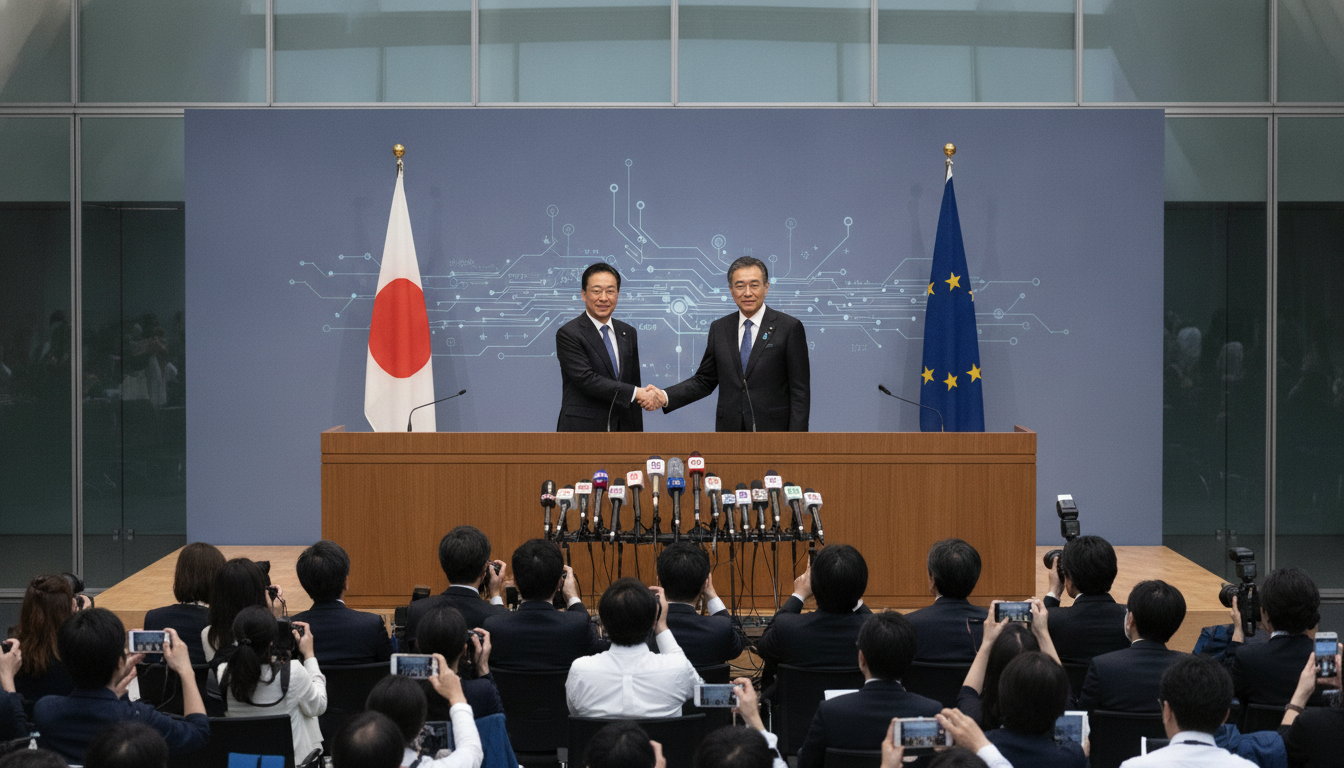
TOKYO — Honda Motor Co. and Nissan Motor Co. are poised to formalize a pact to develop a shared operating system and onboard computer for new cars, Nikkei reported, with an agreement expected as soon as Monday, August 31, 2026. The planned collaboration targets installation of the joint platform in models launching from 2029 onward, marking a major step in Japan’s auto industry shift toward software-defined vehicles.
Agreement Expected by Monday, August 31, 2026
Nikkei sources said senior executives from both automakers have moved beyond exploratory talks and are preparing a concrete development framework. The companies aim to announce terms of the collaboration in Tokyo, with final approvals sought at the corporate leadership level.
Officials at Nissan, led by CEO Ivan Espinosa, and Honda, under CEO Toshihiro Mibe, have been reported to favor a pragmatic partnership that preserves separate vehicle architectures while aligning core software layers. The planned timetable reflects urgency to compete with global rivals already investing heavily in in-vehicle software.
Joint OS and Onboard Computer Targeted for 2029 Models
Under the proposed plan, the shared operating system will sit beneath vehicle-specific applications and control a standardized onboard computer platform. Automakers intend the stack to support advanced driver assistance, infotainment, over-the-air updates and centralized vehicle diagnostics.
The partners expect initial deployments to appear in select new models from 2029, with broader rollouts phased across product lines thereafter. Early adopters will likely be higher-end and electric models where consolidated computing and frequent software updates deliver clear customer value.
Technical Scope and Integration Challenges
Engineers from both companies are reported to be defining interfaces, cybersecurity standards and middleware requirements to ensure cross-brand interoperability. The work will include creating a common hardware specification for the onboard computer while allowing manufacturers to customize upper-layer software and user experiences.
Integration challenges will range from harmonizing safety-critical functions to ensuring regulatory compliance across markets. Automakers will also need to establish rigorous validation and testing regimes to certify that the unified stack meets both companies’ quality and durability standards.
Strategic Shift After Merger Negotiations Faltered
The move toward a shared operating system comes after earlier public attention on merger and alliance discussions among Japanese automakers. Rather than pursue a full corporate merger, the two firms appear to be choosing targeted collaboration on technology that offers scale benefits without requiring structural consolidation.
Executives have framed the approach as a way to spread development costs of software and semiconductors while preserving brand differentiation. Observers note the pattern reflects a broader industry trend: collaboration on non-differentiating core technologies while competing on design, powertrains and customer features.
Reactions from Suppliers and Competitors
Tier‑one suppliers and semiconductor partners are already preparing to adjust supply chains and development contracts in response to the planned platform. Companies supplying sensors, chips and software tools stand to benefit from standardization but will push for clear technical roadmaps and procurement commitments.
International rivals and tech-forward automakers are watching closely, as a Japan-based shared stack could reshape competitive dynamics in Asia and beyond. Analysts say the move is intended to accelerate parity with U.S. and European manufacturers that have invested early in software-defined vehicle architectures.
Governance, Commercial Terms and Timeline
Sources indicate the companies are discussing a governance model that could take the form of a joint venture or a long-term consortium with defined ownership of intellectual property. Commercial terms under negotiation include development cost sharing, licensing rules, and responsibilities for maintenance and security updates.
Pilot software builds and in-vehicle trials are expected to begin well before 2029 to allow iterative testing and regulatory approval in major markets. The partners will also need to coordinate supply contracts for a standardized onboard computer, including semiconductor sourcing at scale.
The agreement signals a pragmatic recalibration of strategy by two of Japan’s largest automakers as they confront the rising importance of software in vehicle development. By combining resources on a shared operating system and onboard computer, Honda and Nissan aim to lower costs, accelerate feature rollout and better position their upcoming models in an increasingly software-centric market.

