
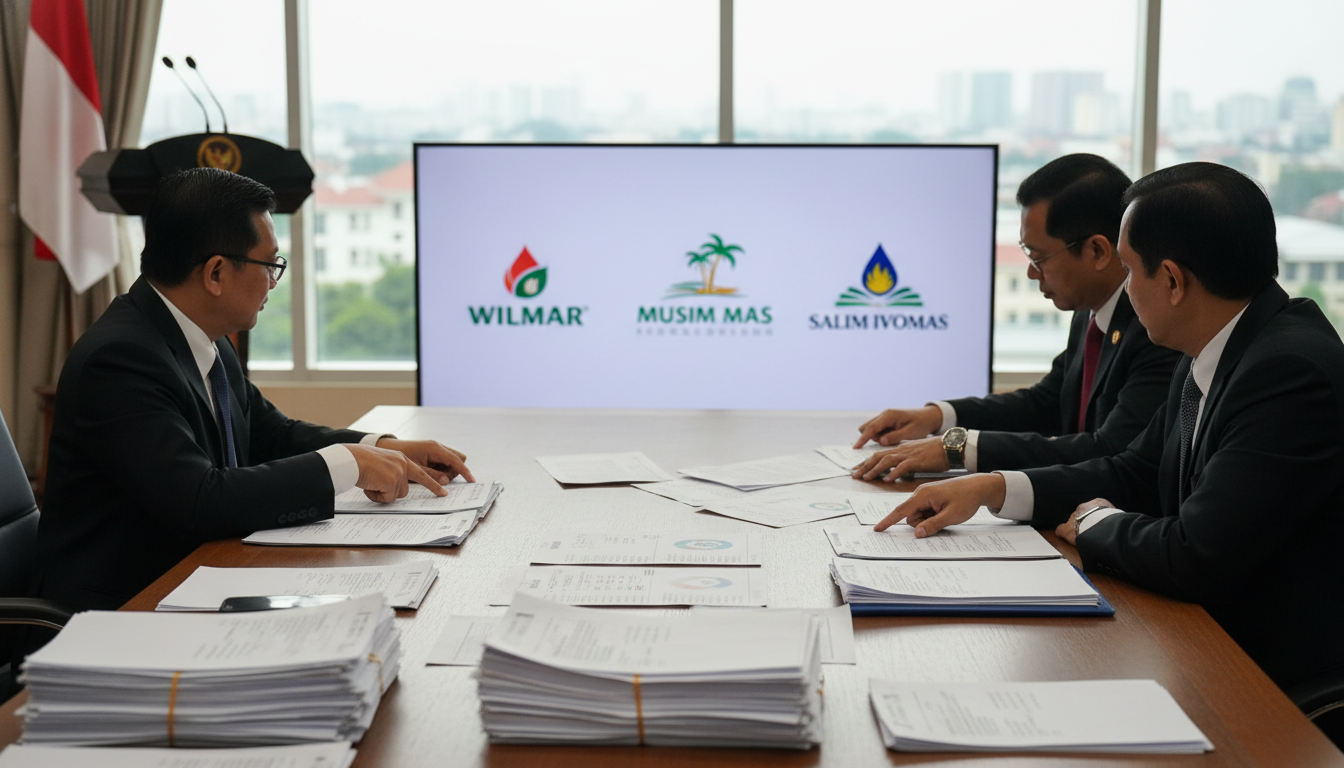
Indonesian palm oil probe names Wilmar, Musim Mas and Salim Ivomas in under‑invoicing crackdown
Indonesia opens probe into alleged under‑invoicing by major palm oil exporters, naming Wilmar, Musim Mas and Salim Ivomas as authorities review trade records.
JAKARTA — The Indonesian government launched an Indonesian palm oil probe on Tuesday, May 26, 2026, targeting leading exporters that authorities believe engaged in under‑invoicing and transfer pricing to reduce tax and customs liabilities. The finance minister publicly named Wilmar, Musim Mas and Salim Ivomas among firms under scrutiny, saying officials will examine export documents and pricing practices. The move represents an escalation in Jakarta’s efforts to tighten oversight of commodity shipments that drive a major share of the country’s export earnings.
Government Identifies Major Producers
The finance minister disclosed the companies as part of a broader clampdown on suspected irregularities in commodity export invoicing. Officials said they had observed pricing discrepancies and would pursue audits, though specific allegations against each firm were not detailed at the announcement. The naming of prominent producers signals the administration’s willingness to confront large players in the palm oil sector as it seeks to protect state revenue.
Allegations Focus on Under‑Invoicing and Transfer Pricing
Authorities are focusing on two practices: under‑invoicing, where export values are declared below actual sale prices, and transfer pricing, which may shift profits to related parties to lower taxable income. Both practices can reduce customs duties and taxes and distort trade statistics. Investigators plan to compare declared invoices with shipping documents, contracts and records of related parties to assess whether export values were artificially suppressed.
Scope of the Investigation and Agencies Involved
The inquiry will involve cross‑checks of export declarations, tax filings and customs paperwork, according to the finance ministry’s statement. Officials indicated coordination among customs, tax authorities and other oversight bodies but did not enumerate every agency by name. Investigators are expected to request additional documentation from exporters and trading partners as they build potential cases for tax assessments or administrative sanctions.
Companies Named and Industry Reaction
Wilmar, Musim Mas and Salim Ivomas were singled out by authorities on May 26, 2026 as being among those under review. At the time of the announcement, no detailed public responses from the companies were released by the government. Industry groups have in past years defended the sector’s compliance record while urging clearer guidance and faster dispute resolution when questions arise over valuation or classification.
Market and Trade Implications
Palm oil is a cornerstone of Indonesia’s export economy, and heightened enforcement could affect trade flows and buyer confidence in the short term. Importers often rely on declared invoice values to determine duties and sourcing costs, so audits that lead to adjustments may prompt reassessments of contract terms. Analysts say any sizeable findings of unpaid duties or taxes could trigger administrative penalties and retroactive adjustments that ripple through supply chains.
Potential Legal and Fiscal Outcomes
If investigators establish that under‑invoicing or abusive transfer pricing occurred, exporters may face back taxes, fines and restrictions on export permits, depending on the legal findings. Indonesia’s tax and customs codes allow authorities to impose assessments and penalties where under‑declaration is proven. Companies may contest assessments through administrative appeals and courts, extending any resolution over months or years.
The Indonesian palm oil probe comes amid growing international scrutiny of commodity chains and tax enforcement in producing countries. For Jakarta, the inquiry balances the need to safeguard revenue with the objective of maintaining a stable trading environment for a sector that supports millions of farmers, processors and workers.
Authorities said they will release further details as investigations advance, and buyers and market participants will be watching for any official findings that could alter trade practices or pricing. The government emphasized that enforcement actions aim to ensure fair play and compliance rather than to disrupt legitimate commerce.
Investigations are ongoing and outcomes will depend on documentary evidence and legal reviews, with potential implications for exporters, trading partners and Indonesia’s wider palm oil industry.

