
Japan Chamber Chief Calls for Calm Over Naphtha Supply Amid Middle East Tensions
Japan Chamber chairman Ken Kobayashi urged calm over naphtha supply on May 13, 2026, saying government measures and steady distribution should prevent shortages if panic buying is avoided.
Kobayashi Urges Calm Over Naphtha Supply
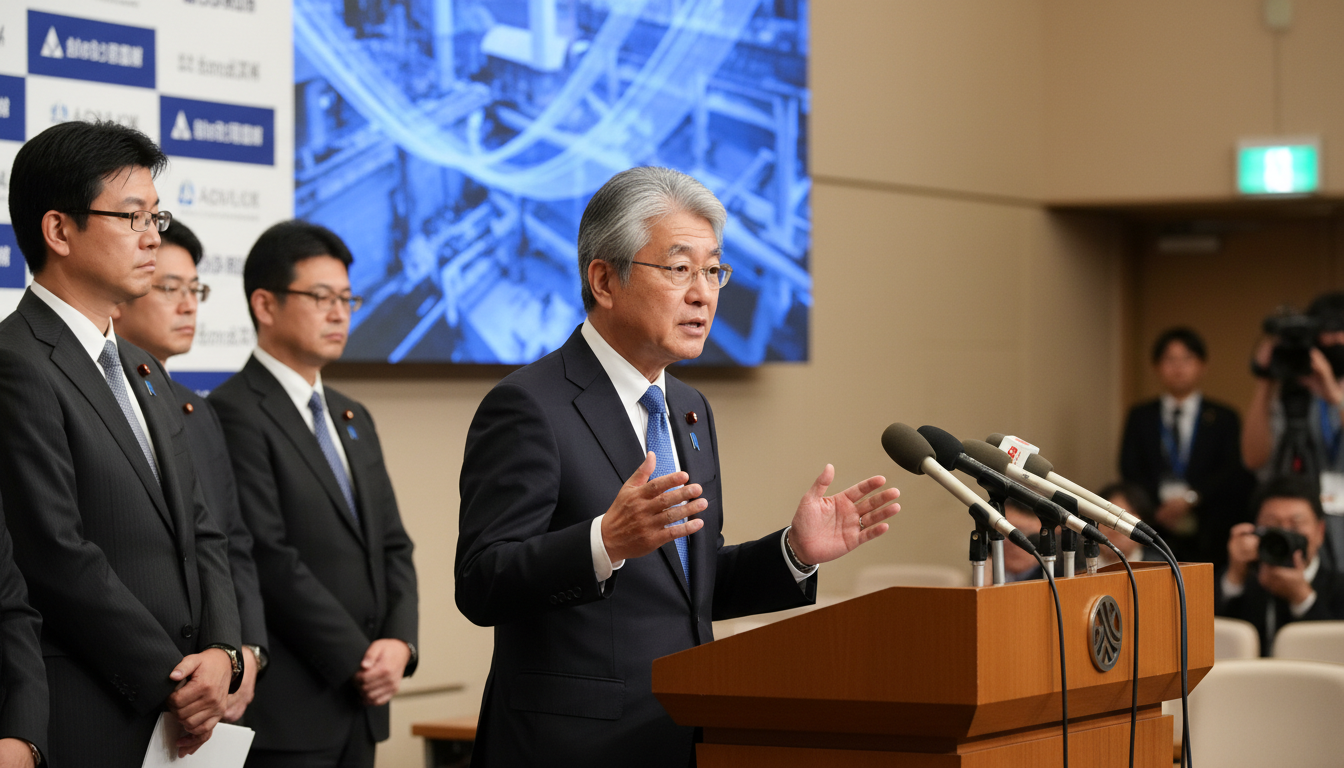
Ken Kobayashi, chairman of the Japan Chamber of Commerce and Industry, told reporters on Wednesday that businesses and consumers should remain composed amid concerns about naphtha supply linked to unrest in the Middle East.
He said government actions, including tapping reserves and lining up alternative imports, mean there is sufficient naphtha supply for the nation.
Kobayashi cautioned that public anxiety and preemptive stockpiling by firms could themselves trigger distribution problems, and he appealed for coordinated behavior across sectors.
He emphasized that normal distribution practices should preserve current delivery levels, calling for cooperation between private companies and public authorities.
Government Cites Reserves and Alternative Sourcing
Officials have informed industry representatives that national oil reserves and emergency procurement plans have been activated to secure feedstock for chemical and manufacturing plants.
According to the Chamber and government briefings, enough naphtha shipments have been arranged to cover domestic needs while alternative suppliers are engaged.
Government spokespeople say monitoring of international logistics and port operations is ongoing, and contingency routes are being evaluated to limit disruption.
Authorities have not indicated any immediate cuts to supply but continue to advise companies to communicate their needs through designated channels rather than seek extra purchases on the open market.
Companies Take Precautions, Packaging Changes Reported
Some manufacturers have begun precautionary measures, including temporary changes to product packaging, to prepare for potential procurement hiccups.
Several firms reportedly switched to simpler black-and-white packaging as a stopgap to conserve specific colored materials tied to certain naphtha-derived products.
Industry sources say these moves are defensive rather than indicative of immediate shortages, aimed at smoothing production if particular grades of naphtha become harder to source.
Executives stress that such packaging adjustments are reversible once supply conditions stabilize, and they are coordinating with distributors to limit consumer confusion.
Risk of Panic Buying Could Create Distribution Bottlenecks
Kobayashi warned that if many companies try to purchase extra naphtha simultaneously, the result could be a bottleneck that harms the entire supply chain.
He noted that hoarding behavior often exacerbates shortages by overwhelming storage and transportation capacity, making true supply deficits more likely.
Trade associations and logistics firms are being asked to manage orders and delivery schedules to avoid concentrating demand in short windows.
Analysts say orderly procurement and transparent communication between suppliers and buyers are key to preventing avoidable disruption.
Industry Coordination and Public-Private Measures
The Japan Chamber of Commerce and Industry is urging member firms to follow a coordinated approach and rely on official information from the government and industry groups.
Kobayashi called for timely reporting of actual procurement needs so that the public sector can allocate emergency stocks where they are most required.
Energy and manufacturing ministries have established hotlines and data-sharing platforms to monitor consumption patterns and inventory levels in real time.
This cooperative framework aims to match emergency reserves to critical sectors such as petrochemicals, plastics, and transport fuels that rely on steady naphtha supply.
Market Outlook and Consumer Impact
Market observers say that while short-term jitters can push spot prices higher, sustained shortages are unlikely if the government’s reserve deployment and alternative sourcing proceed as planned.
Companies with flexible feedstock arrangements and diversified supplier lists are expected to weather temporary constraints more easily than those dependent on single sources.
Consumer-facing impacts are also expected to be limited if distribution remains orderly, though some manufacturers may temporarily simplify packaging or shift production priorities.
Experts advise consumers and smaller businesses to avoid bulk purchasing and to seek updates from official channels rather than acting on social media rumors.
Japan’s business community and government officials say they will continue to monitor the international situation and the domestic supply chain closely.
They reiterated that transparent communication, restrained purchasing behavior and coordinated logistics will be essential to maintaining steady naphtha supply and preventing avoidable disruptions.

