
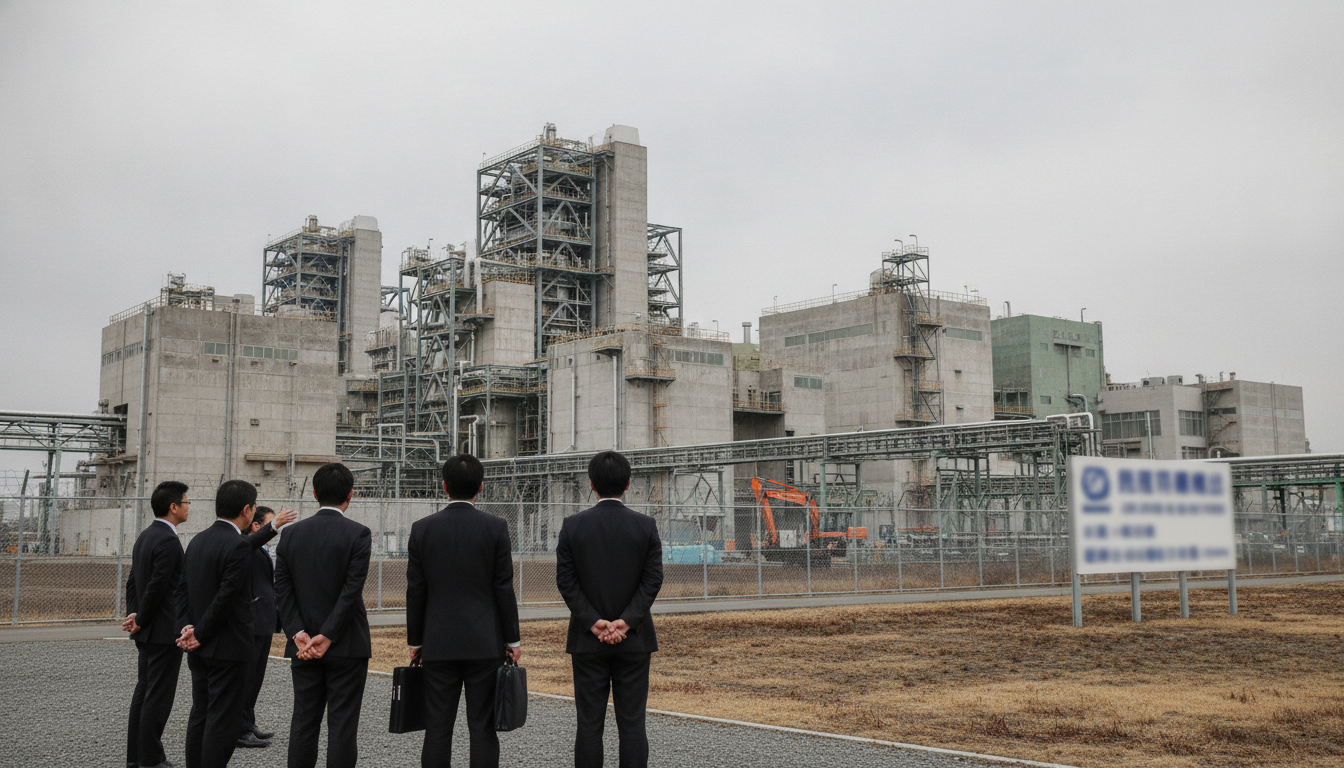
Rokkasho reprocessing plant faces fresh delay as regulators demand liquid-waste treatment before startup
Regulator request for additional liquid-waste processing may delay completion of the Rokkasho reprocessing plant, pushing JNFL’s startup beyond fiscal 2026.
Japan Nuclear Fuel Ltd. (JNFL) is likely to postpone the planned start of its spent-fuel reprocessing plant in Rokkasho after nuclear regulators required an extra liquid-waste processing step before the facility may begin operations. The move, announced amid ongoing safety reviews, compels the operator to add systems to treat and dispose of accumulated liquid waste, a requirement that could extend work timelines beyond fiscal 2026. The plant in Rokkasho, Aomori Prefecture, has already been under construction for more than three decades and any further delay would add to long-standing schedule slippage.
Regulators press for additional liquid-waste processing
Japan’s nuclear regulatory authorities have said JNFL must demonstrate a safe and effective means to handle existing liquid waste prior to the plant’s commissioning. The new requirement stems from regulators’ assessments that startup without a dedicated disposal process would leave unresolved risks related to stored liquid byproducts. JNFL will be expected to submit revised technical plans and timelines showing how the additional process will be incorporated and validated under regulatory safety standards.
The regulators’ demand is focused on ensuring all waste streams are addressed before operations begin, rather than permitting the plant to start while waste treatment systems are phased in later. That approach effectively makes the completion of the liquid-waste measures a condition precedent to startup, increasing the chance that the overall project schedule will be extended.
Schedule impact could push completion beyond fiscal 2026
JNFL’s previous target aimed for commissioning within the fiscal 2026 time frame, but the regulator’s latest instruction introduces a material risk to that timeline. Incorporating an additional processing stage will require engineering work, procurement of equipment, and a fresh round of safety checks and approvals, all of which take time. Project officials have acknowledged that planning and constructing new waste-handling facilities could stretch completion into later fiscal years.
Delays at Rokkasho carry political as well as technical consequences because the plant is central to Japan’s long-standing policy of reprocessing spent nuclear fuel. Any postponement will likely prompt renewed scrutiny from local governments, energy planners and stakeholders concerned about cost, safety and the management of radioactive materials awaiting treatment.
Three-decade construction history complicates progress
Construction of the Rokkasho reprocessing plant has been protracted, with work stretching over more than three decades and numerous interruptions driven by regulatory changes, technical setbacks and shifting policy priorities. That history has produced a complex project environment in which new regulatory requirements have a high probability of causing further schedule revisions. Contractors and suppliers involved in long-term projects like Rokkasho must often re-mobilize resources and re-align contracts when scope changes occur.
The accumulation of liquid waste awaiting treatment is partly a legacy of the protracted timeline, meaning that decisions about how to process those materials cannot be separated from the remaining construction work. The interdependence of systems at such a complex facility amplifies the logistical challenge of adding new processes late in the development cycle.
Technical and safety considerations for added processing
Introducing an additional liquid-waste treatment process will demand rigorous engineering to meet Japan’s nuclear safety standards, including containment, monitoring and emergency response measures. Technical options could range from further concentration and solidification to new chemical separation steps, depending on the characteristics of the stored liquids. Each approach carries different regulatory review requirements and implications for long-term waste management and repository planning.
Testing and commissioning of the new systems will also be critical; regulators will expect detailed performance data and redundancy measures before granting approval to operate the plant. The emphasis on pre-startup waste disposition reflects lessons from past industry incidents that underscore the importance of addressing residual hazards before full-scale operations commence.
Policy and industry implications for Japan’s fuel cycle
A prolonged delay at Rokkasho would have implications beyond the site itself, affecting Japan’s broader nuclear fuel cycle strategy that envisions reprocessing as a way to recover usable materials from spent fuel. Policymakers will have to weigh the costs of further delays against alternatives such as extended interim storage or changes to reprocessing plans. Industry stakeholders, including utilities that supply spent fuel, may face pressure to adjust arrangements for interim storage or transport if the plant’s availability is deferred.
Public confidence and local acceptance will also be central to the debate, as communities near Rokkasho have repeatedly raised concerns about safety and environmental impacts. Any decision to extend timelines or add significant new processing steps will likely prompt renewed consultation and could influence national deliberations on the role of reprocessing in Japan’s energy mix.
Final considerations for the Rokkasho project now hinge on how swiftly JNFL can produce workable designs for the new liquid-waste treatment stage and how quickly regulators can complete their review while maintaining rigorous safety standards. The combination of technical complexity, regulatory oversight and public scrutiny means the timeline to startup remains uncertain, and fiscal 2026 can no longer be treated as a firm deadline without substantive progress on the newly required measures.

