
Japan bolstering economic ties with Africa to secure oil and industrial minerals
Japan bolstering economic ties with Africa as Tokyo steps up diplomatic and trade outreach to oil- and mineral-rich states including Kenya, Zambia and Angola to reduce energy risks.
Japan is mounting a fresh diplomatic effort to strengthen economic links with African countries that hold crude oil and key industrial minerals, officials say. The move comes as the government seeks to diversify energy and resource suppliers amid concerns raised by the recent Middle East conflict.
Diplomatic tour spans Kenya, Zambia, South Africa and Angola
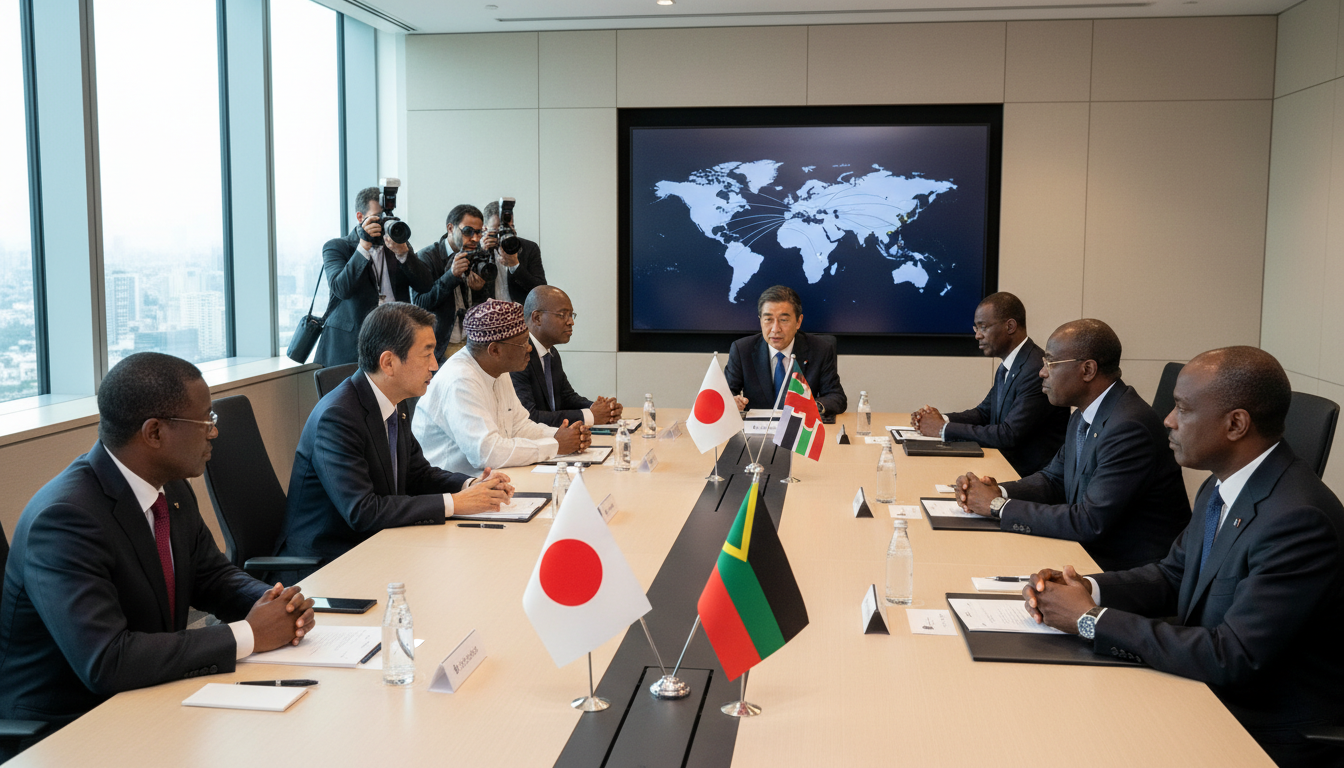
Japan’s top diplomatic envoy has visited several major African trade partners this month, meeting leaders and ministers in Kenya, Zambia and South Africa as part of a wider outreach. A separate meeting with Angola’s foreign minister on May 1 underscored Tokyo’s immediate interest in oil-producing partners, according to official images credited to Japan’s Ministry of Foreign Affairs.
The visits are being framed by Tokyo as a targeted effort to build deeper economic and commercial ties rather than solely symbolic diplomacy. Officials involved describe meetings as focused on trade, investment and practical cooperation in energy and minerals sectors.
Energy security concerns drive the outreach
Tokyo’s campaign is motivated in large part by energy security considerations after disruptions tied to the Middle East conflict highlighted vulnerabilities in Japan’s supply chains. With much of its oil and liquefied natural gas historically sourced from the Middle East, Japan is seeking alternative suppliers to mitigate risk and ensure stable access for its industries.
Policy planners in Tokyo have said diversifying suppliers to countries in Africa is intended to complement, not replace, existing partnerships in other regions. The strategy emphasizes resilience — securing multiple sources and building logistical and contractual arrangements that can withstand geopolitical shocks.
Targeting crude oil and industrial minerals
African partners under Japan’s new focus include states with significant crude oil production as well as those rich in minerals necessary for modern industry. Tokyo officials have highlighted the value of securing steady supplies of metals and minerals that feed into automotive, electronics and renewable energy supply chains.
Japanese companies are particularly interested in minerals used in batteries and electronics manufacturing, and officials say cooperation could extend from mining to processing and transport. By pursuing upstream partnerships, Japan aims to reduce exposure to single-point supply disruptions and strengthen the reliability of inputs for domestic manufacturing.
Economic cooperation and trade initiatives under discussion
Beyond resource access, the diplomatic tour has placed emphasis on trade agreements, investment frameworks and infrastructure cooperation that would facilitate long-term commercial ties. Discussions have covered avenues for Japanese firms to participate in local projects, joint ventures and capacity-building programs that support both resource development and local economies.
Tokyo has also explored how development finance, private investment and technology transfers might be combined to create mutually beneficial arrangements. Officials say such packages can lower risks for investors and improve the viability of long-term resource partnerships in Africa.
Geopolitical and implementation challenges remain
Tokyo’s ambitions confront a complex geopolitical landscape where China and other powers already hold deep economic influence across many African markets. Japanese diplomats acknowledge competition for access will require careful, steady engagement and sensitivity to partners’ existing commitments and priorities.
Practical challenges also include infrastructure gaps, regulatory hurdles and price volatility in global commodity markets that can affect project economics. Analysts note that success will depend on Tokyo’s ability to offer attractive financing, technical expertise and trusted long-term contracts that align with host countries’ development goals.
Steps ahead and signals to markets
Japanese officials say the recent round of visits is intended to lay groundwork for follow-up negotiations, memoranda of understanding and possibly trade or investment accords later in the year. Market participants and corporate decision-makers will watch whether Tokyo moves from exploratory talks to concrete agreements that alter procurement patterns for oil and industrial minerals.
For Japanese industry, closer ties could mean new supply options and greater resilience, but converting diplomatic goodwill into reliable contracts will require sustained effort. Observers expect Tokyo to balance immediate energy needs with longer-term initiatives aimed at domestic decarbonization and industrial competitiveness.
The diplomatic push to strengthen ties with oil- and mineral-rich African countries signals a strategic recalibration by Tokyo to reduce supply risks and diversify economic partnerships. The coming months will show whether talks evolve into binding agreements that reshape Japan’s approach to energy and raw material sourcing.

