
Japanese Embassy Warns After Japanese-Language Posts Allude to Child Sexual Exploitation in Indonesia
Japanese Embassy in Indonesia warns nationals after Japanese posts alluded to child sexual exploitation; Jakarta police and cyber units are investigating.
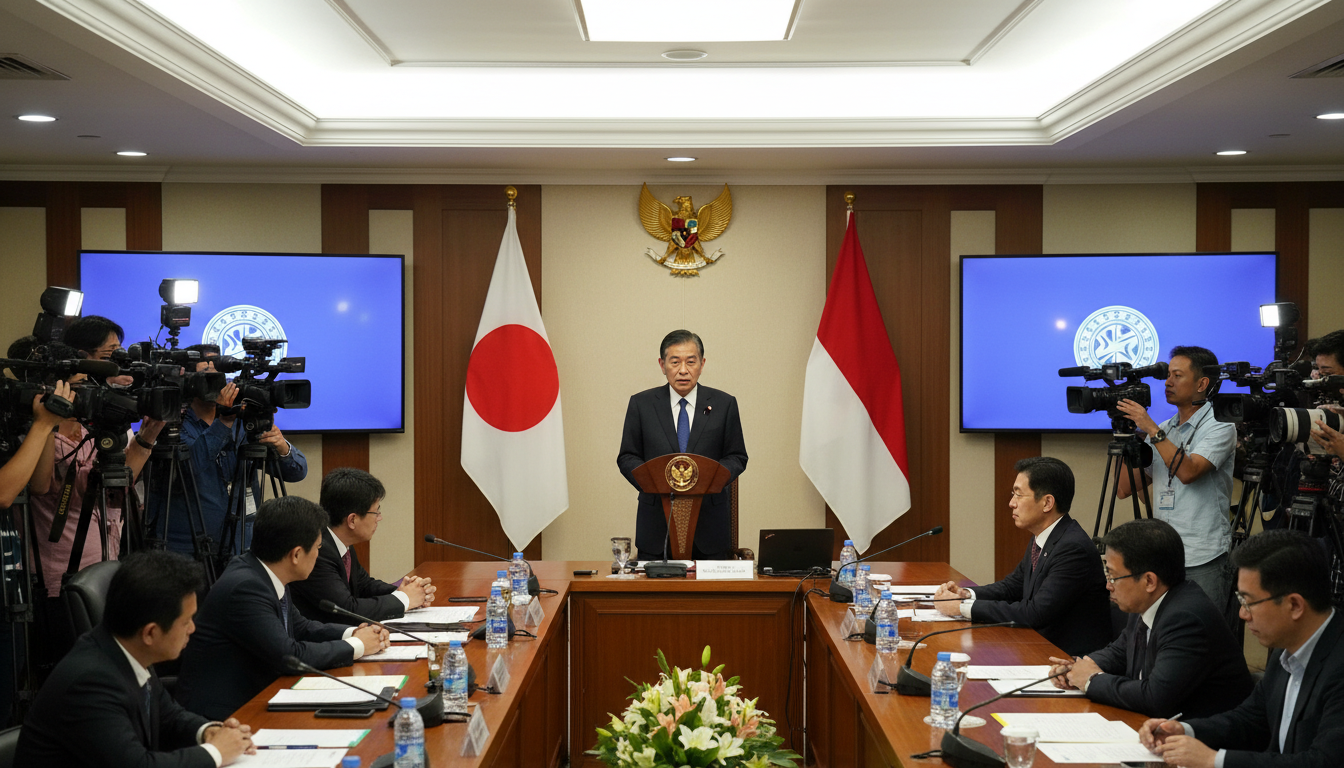
The Japanese Embassy in Indonesia issued a stern advisory on May 13 and reiterated the warning on May 15, 2026, urging Japanese travelers and residents to obey local laws after Japanese-language social media posts alluded to child sexual exploitation in Indonesia.
The embassy reminded nationals that sexual acts with minors and distribution of sexual material involving children are criminal both in Indonesia and under Japanese law, and offenders may face prosecution upon return to Japan.
Embassy Issues Warning to Japanese Nationals
The embassy’s public notice called attention to a string of posts circulated on Japanese-language social media platforms that reportedly referenced sexual encounters with persons under 18 in the Jakarta area.
It emphasized that such behavior is subject to enforcement by Indonesian authorities and that Japanese citizens remain subject to Japan’s criminal statutes regarding child sexual exploitation and child pornography.
The statement urged Japanese nationals to exercise caution, to report suspicious online activity to local police, and to contact the embassy if they become aware of illegal conduct.
Officials also advised parents and guardians traveling with minors to remain vigilant about online contacts and local conditions that could expose children to harm.
Social Media Posts Flag Allegations in Jakarta and Bekasi
Multiple Japanese-language posts surfaced in recent days, naming Jakarta and the nearby city of Bekasi as locations where underage sexual activity allegedly took place.
The posts, shared across messaging apps and social feeds, reportedly described encounters in ways that suggest the participants were knowingly under 18.
Authorities have not released details identifying specific individuals, and the veracity of the social media claims remains unverified at this stage.
Nevertheless, the public dissemination of such allegations has prompted concern among diplomatic officials and community groups, given the serious nature of the offenses described.
Jakarta Police Launch Cyber Investigation
Jakarta police announced that their cybercrime unit, together with other relevant agencies, has opened an investigation into the social media activity.
Investigators are reportedly tracing the posts, identifying account holders, and assessing whether any offline criminal acts took place that would warrant arrests.
Police said inquiries will include digital forensics and cooperation with social media platforms to obtain data on the messages and accounts in question.
Indonesian authorities have in the past relied on cross-border cooperation for complex cyber investigations, and officials indicated they would seek assistance where appropriate.
Legal Exposure Under Japanese and Indonesian Law
Japanese law criminalizes sexual exploitation of minors and the possession and distribution of child pornography, and prosecutions have extended to nationals who commit offenses abroad and return to Japan.
The embassy’s advisory highlighted this extraterritorial reach and warned that individuals who engage in sexual acts with minors overseas can face investigation and prosecution once back in Japan.
Under Indonesian law, sexual activities with minors and the production or distribution of sexual material involving children are punishable offenses as well, and penalties can include imprisonment and fines.
Legal experts note that dual exposure to prosecution in both jurisdictions raises the stakes for those implicated and underscores the importance of respecting local statutes while abroad.
Risks for Travelers and Residents
Diplomatic officials cautioned that ignorance of local age-of-consent rules and criminal statutes is not a defense, and that social media exchanges can leave durable trails that investigators follow.
The embassy advised Japanese nationals to avoid contact with minors for sexual purposes, to refrain from sharing or soliciting sexual images, and to be mindful that consensual-seeming interactions may nonetheless be illegal if one party is underage.
The advisory also recommended that those who receive or encounter incriminating content preserve evidence and report it to local police as well as to diplomatic channels.
Consular staff can provide guidance on legal rights, local procedures, and resources, but they cannot intervene in judicial processes or prevent criminal investigations.
Calls for Monitoring, Education and Cross-Border Cooperation
Child protection groups and legal advocates said the incident highlights the need for stronger online monitoring and public education campaigns targeting travelers and expatriate communities.
They urged social media companies to accelerate content moderation and cooperation with law enforcement when allegations of child exploitation arise.
Both Japanese and Indonesian officials stressed the value of bilateral and multilateral cooperation to tackle transnational sexual exploitation, including information sharing, joint investigations, and support for victims.
Non-governmental organizations recommended outreach programs in multiple languages to ensure that foreign residents and visitors understand local laws and the consequences of criminal conduct.
The embassy’s advisory and the ongoing police probe serve as a reminder to expatriates and travelers that online posts can have real-world consequences and that protection of children is a cross-border priority.
Anyone with information about the alleged incidents has been urged to contact Jakarta police or the Japanese Embassy in Indonesia to assist investigators and help safeguard vulnerable people.

