
Japan Golf Tourism Seeks Bounce as Courses Target South Korean Golfers
Japan’s golf courses are courting South Korean golfers to revive Japan golf tourism, introducing tailored packages and boosting regional hotels, shops, clubs.
Strong opening: Japan courses court South Korean players
Japan’s golf courses have stepped up efforts to attract South Korean golfers as a strategic push to revive Japan golf tourism. Clubs and regional operators say affluent visitors from South Korea can offset falling domestic participation as younger Japanese pivot to other pastimes.
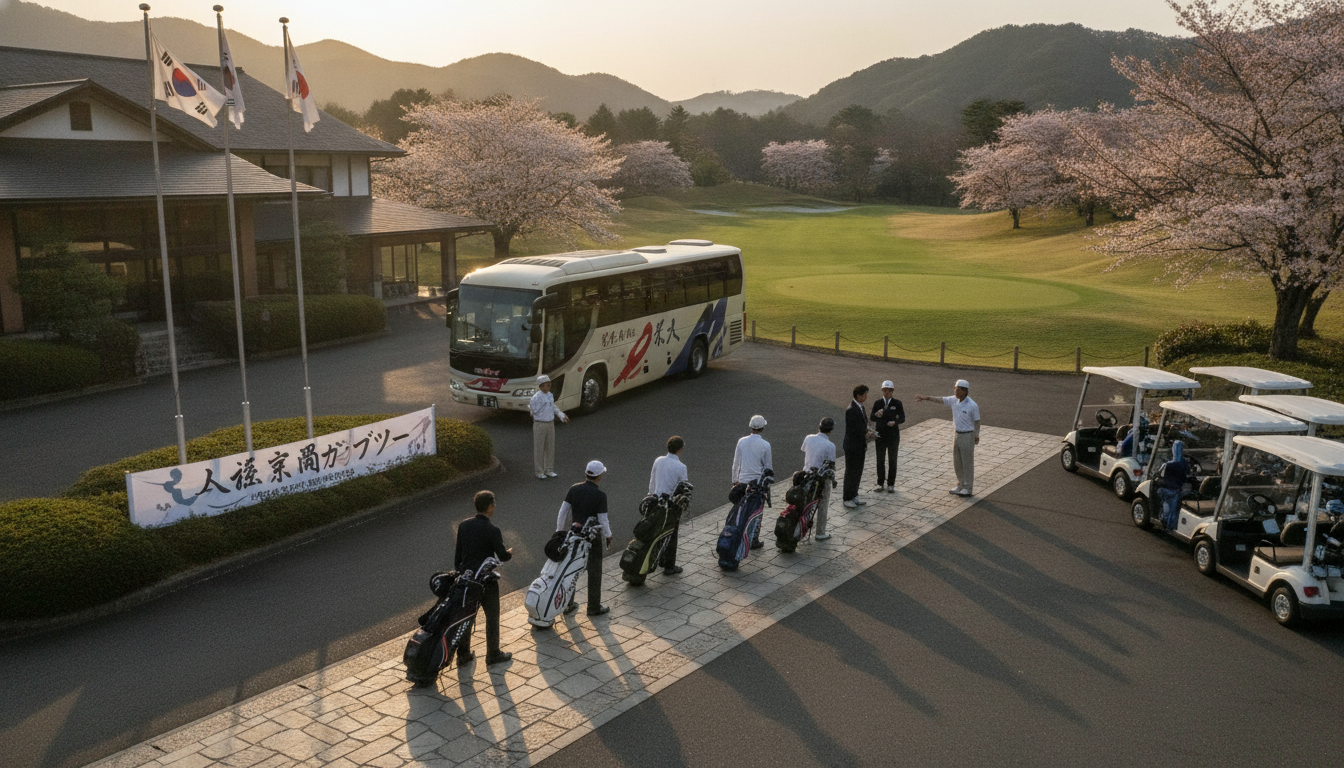
Operators are promoting multi-day packages, shuttle services and language support aimed directly at Korean visitors. The initiative comes as some prefectures report early signs of increased bookings tied to cross-border demand.
South Korean arrivals and local demand patterns
Arrivals of South Korean players have been visible at regional gateways such as Ibaraki Airport, where groups landed in late June for multi-course tours. Golf tour operators note these visitors often travel in small groups and seek premium course experiences and comfortable lodging.
Demand spikes typically cluster around weekends and national holidays, prompting clubs to open additional tee-times and adjust pace-of-play arrangements. Course managers say repeat visits are likely when players find efficient itineraries and good value.
Clubs redesign pricing, service and schedules
Many Japanese clubs have revised green-fee structures and introduced bundled offers that include accommodation and meals to make itineraries simpler for overseas visitors. Some operators now reserve blocks of tee times for inbound tour groups and provide bilingual scorecards and signage.
Beyond pricing, clubs are investing in guest services such as Korean-speaking staff, curated dining options and local transport links. Those changes aim to reduce friction for visitors and encourage longer stays that benefit nearby businesses.
Regional economies welcome tourism lift
Local economies around popular golf clusters report a broader uplift when foreign golfers arrive, with hotels, restaurants and retail merchants seeing higher occupancy and sales. Smaller towns near coastal and inland courses are especially attentive to the spending effect of multi-day golfing parties.
Municipalities have also started coordinating with courses and travel agencies to package cultural activities or sightseeing alongside golf. Officials say that linking leisure experiences with golf itineraries can spread tourism benefits across sectors and seasons.
Operational and policy challenges remain
Despite the commercial upside, clubs and regions face hurdles such as seasonal weather, transport connectivity and staffing shortages. Many courses are outside major urban centers, and gaps in public transport make reliable shuttle services and car access essential for inbound guests.
Visa regimes and travel costs can influence demand cycles, as can currency swings and geopolitical tensions in the region. Course managers emphasize the need for operational flexibility and contingency planning to cope with sudden changes in visitor flows.
Marketing and partnerships drive outreach
To reach Korean golfers, Japanese operators are forming partnerships with South Korean travel agencies, corporate groups and golf associations. Campaigns often highlight course quality, green conditions and combined packages that showcase local hospitality.
Digital marketing and targeted promotions on social platforms have accelerated bookings, with some regions leveraging professional events or invitational tournaments to raise their profiles. Collaboration between private clubs and public tourism bodies has emerged as a common model to amplify reach.
Longer-term outlook for Japan golf tourism
Industry leaders stress that attracting South Korean golfers is one element of a broader recovery strategy for Japan’s golf sector. Revitalization efforts also include domestic outreach to new player segments, junior programs and course modernization projects.
Sustaining growth will depend on maintaining high service standards, competitive pricing and seamless travel experiences. Observers note that a diversified approach—balancing foreign and domestic demand while improving infrastructure—offers the best chance for a durable rebound.
Japan’s golf courses see South Korean visitors as a timely opportunity to revive flagging demand, but success will hinge on coordination across clubs, transport providers and local businesses. If current pilot programs scale effectively, regional communities and the golf industry could both see meaningful recovery in the seasons ahead.

