
LDP Approves Draft Flag Desecration Law; SNS Live Streams Included in Penalties
LDP approves draft flag desecration law on June 1, 2026, criminalizing public damage to Japan’s flag; penalties up to 2 years or ¥200,000, and SNS streams covered.
The Liberal Democratic Party approved a draft of a new flag desecration law on June 1, 2026, moving to criminalize certain public acts that damage Japan’s national flag. The proposal, described by party officials at a June 1 meeting, seeks to ban “publicly” damaging, removing or soiling the national flag in ways that cause significant discomfort to others. The draft explicitly extends punishment to those who record and distribute their own acts of flag damage on social media, marking social media content as part of the bill’s reach.
LDP Approves Draft Text for Flag Desecration Law
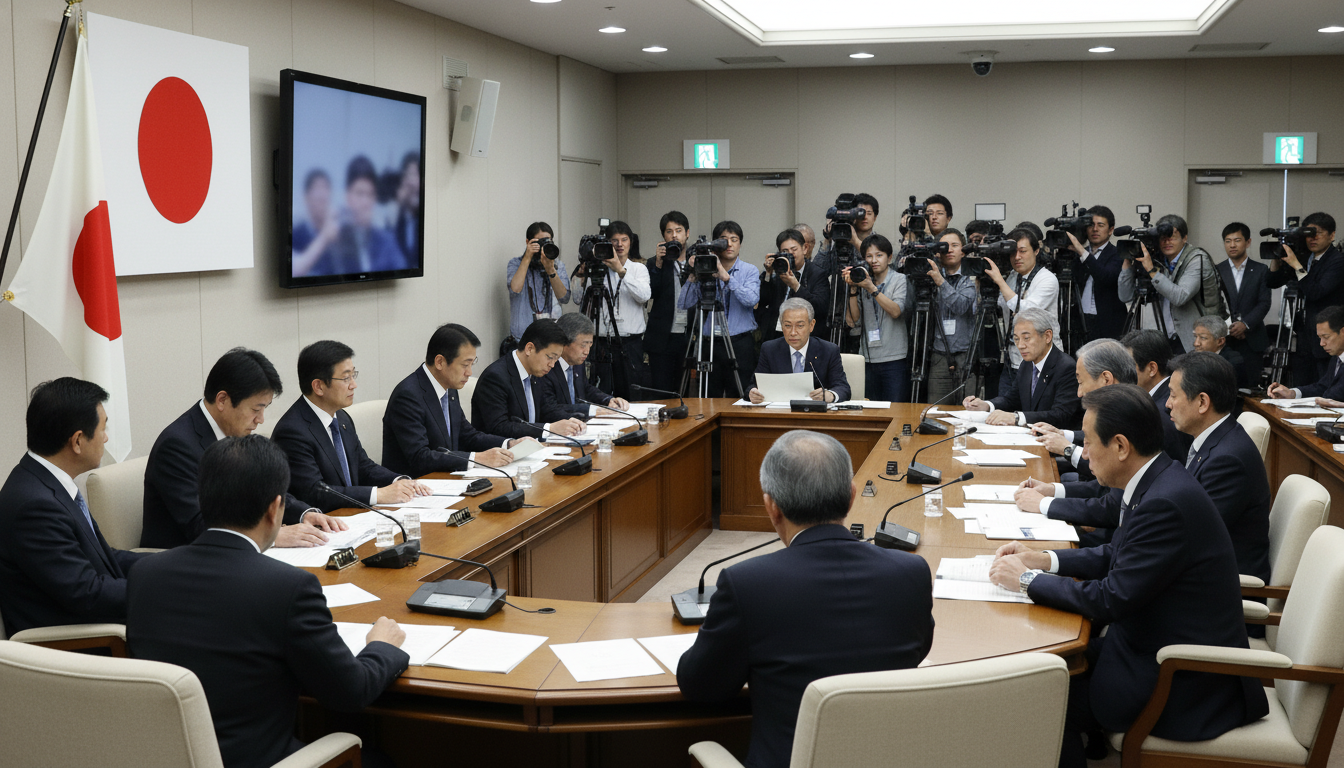
The party meeting on June 1 yielded a concrete article-by-article draft, and the LDP leadership authorized a project team to continue work on the bill. The project team is chaired by former Chief Cabinet Secretary Hirokazu Matsuno, who was entrusted to finalize details and lead negotiations. Party sources said the text will be submitted to the Diet in coordination with the Japan Innovation Party as part of a push to secure passage in the current session.
Penalties, Scope, and Social Media Inclusion
Under the draft text, persons who “publicly” damage, remove or soil the national flag by a method that causes “marked discomfort or disgust” to others could face imprisonment for up to two years or a fine of up to ¥200,000. The draft also covers conduct in which the individual records the act and posts or live-streams it on social media platforms, bringing online dissemination within the scope of criminal sanctions. The inclusion of SNS activities reflects legislators’ intent to address the digital amplification of such acts, according to party officials.
‘Yosegaki’ Messages Excluded After Internal Debate
Within the LDP meeting, members debated whether writing messages on the flag — a practice known as yosegaki — should be treated as a punishable offense. Attendees told reporters that the party decided to exclude yosegaki from punishment, clarifying that not all markings or writings on a flag would meet the draft’s threshold for criminal conduct. That distinction aims to limit the statute to acts intended to insult or provoke, rather than cultural or ceremonial uses that involve inscriptions.
Parliamentary Schedule and Coalition Strategy
The LDP plans to submit the draft to the Diet together with the Japan Innovation Party and to seek enactment during the current parliamentary session. Party strategists say they will pursue consultations with other parties to secure the votes necessary for passage, and they have signaled a willingness to consider limited amendments during committee deliberations. The timetable anticipates deliberations in the relevant Diet committees followed by a plenary vote if sufficient cross-party support is obtained.
Legal Ambiguity and Free Expression Concerns
Legal scholars and civil liberties advocates are likely to scrutinize the bill’s definitions, particularly the phrase referring to conduct that causes “marked discomfort or disgust.” Critics warn that subjective standards risk chilling constitutionally protected expression, including protests and symbolic speech. Observers note that any law criminalizing expressive acts directed at national symbols would face intense judicial review, and that ambiguous language could invite legal challenges if the law is enacted.
Enforcement, Practical Challenges, and International Context
Even if enacted, authorities would face practical questions about enforcement, including how to determine whether an act was public and whether it met the statutory emotional threshold. Police and prosecutors would need operational guidelines to distinguish punishable conduct from permitted demonstrations or private acts. The move follows a wider international debate about balancing respect for national symbols with freedom of expression, and observers say Japan’s approach may draw comparisons with legislation and court rulings in other democracies.
The immediate next steps will include formal bill submission to the Diet, committee hearings, and potential amendments reflecting feedback from opposition parties and civil society. Lawmakers have indicated they will present the draft text to parliamentary committees in the coming weeks and aim to complete deliberations within the current session, while legal experts and rights groups prepare to review the bill’s language for constitutional compatibility.

