
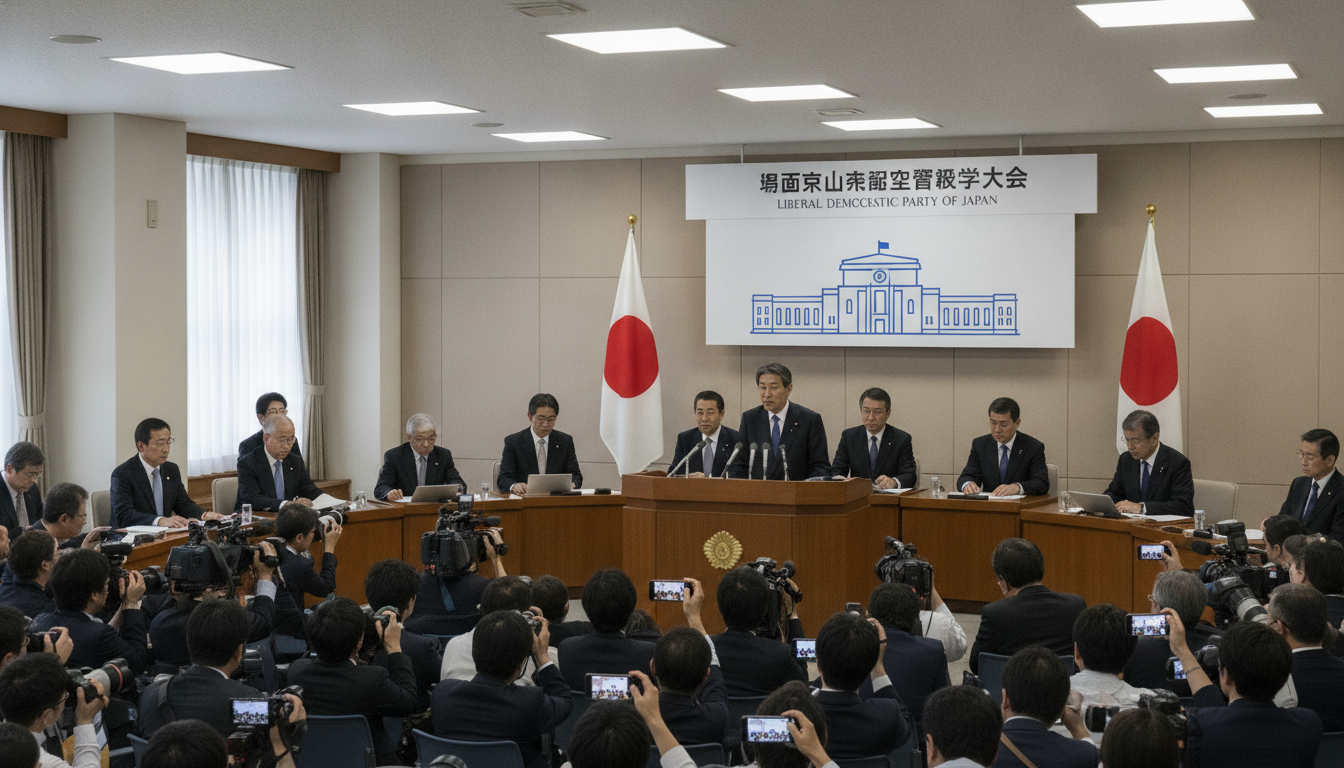
LDP to Urge Introduction of Administrative Interception for Security, Proposal Due July 28, 2026
LDP to ask government on July 28, 2026, to adopt administrative interception for national security, targeting foreign-transit communications and proposing oversight and legal safeguards.
The ruling Liberal Democratic Party (LDP) plans to formally press the government on July 28, 2026, to consider the introduction of administrative interception — broad, non-criminal surveillance for intelligence and national security purposes. The move would expand the government’s ability to monitor communications without court-issued warrants and is framed by proponents as necessary to detect foreign threats and safeguard state security. The proposal is expected to spark public debate over privacy, constitutional protections, and the balance between security and civil liberties.
LDP timetable and the proposed submission
The LDP’s intelligence strategy headquarters completed final discussions ahead of a planned submission of recommendations to the government on July 28, 2026. Multiple party officials confirmed the timetable and said the package will lay out legal options and oversight mechanisms for administrative interception. The party intends the proposal to kick-start formal government deliberations rather than immediately alter law.
The proposal represents the party’s push to make intelligence reforms a central pillar of national security policy under Prime Minister Sanae Takaichi’s administration. Officials close to the process described the recommendations as both a response to perceived gaps in existing collection capabilities and an effort to align Japan’s approach with practices used overseas.
Scope of interception targeted in proposal
According to party sources, the initial scope envisaged for administrative interception would focus on communications that originate abroad and transit through Japan en route to other foreign destinations. The recommendation specifies that domestic-to-domestic communications would be excluded from the stated target during the initial phase. Some LDP members, however, advocate for a wider remit that would include domestic traffic in future revisions.
Proponents argue that narrowing the immediate scope to foreign-transit data is intended to reduce potential intrusions into ordinary citizens’ communications while still capturing foreign activity that could threaten Japan. Critics warn that routing and metadata practices can complicate such distinctions in practice, raising questions about the effectiveness of the proposed limitation.
Legal pathways under consideration
The LDP’s proposals outline two main legal routes: enacting a new “External Intelligence Collection Act” or amending the 2025 law that enabled active cyber defense (ACD) operations. Both options would seek to create a statutory basis for administrative interception that is separate from the current judicial interception framework used for criminal investigations.
Party members said the new law could codify collection authorities, technical procedures, and prohibited uses of collected data. Alternatively, amending the 2025 ACD statute is presented as a potentially faster route, leveraging existing cyber authorities while clarifying the legal basis for intelligence collection in cyberspace and transit networks.
Proposed oversight and approval safeguards
Recognizing public sensitivity, the LDP intends to propose layered oversight mechanisms, including “strict approval requirements” that would combine administrative authorization and varying degrees of judicial involvement depending on circumstances. The party paper reportedly contemplates thresholds tied to the nature of the target, the type of data, and the immediacy of the threat.
Officials said the proposal will also discuss independent review bodies and reporting obligations to parliament or designated oversight agencies. Observers noted that the effectiveness of these safeguards will hinge on procedural detail and transparency measures that remain to be worked out in subsequent government deliberations.
Constitutional concerns and public reaction expected
Legal experts and civil society groups have flagged that administrative interception touches on the constitutional protection of the secrecy of communications, raising the prospect of significant public resistance. Government sources acknowledged the risk, with senior officials describing the likely reaction as “substantial” and underscoring the need for cautious, deliberative policymaking.
Debate is expected to center on thresholds for collection, retention and use of intercepted data, safeguards against mission creep, and the mechanisms to prevent misuse of information gathered without judicial warrants. Constitutional scholars have emphasized that any legislative design will have to demonstrate strict necessity and proportionality to withstand legal and societal scrutiny.
Parallel proposal to address foreign interference
Alongside administrative interception measures, the LDP proposal includes a separate plan to establish a “Foreign Interference Prevention Law.” The draft elements outline mandatory registration for individuals or organizations undertaking political activities on behalf of foreign governments or actors, along with criminal penalties for covert interference and undisclosed coordination.
Supporters say the registration and criminalization framework would fill gaps in existing statutes and deter clandestine influence operations. Critics caution that broad definitions of political activity and foreign influence could chill legitimate civic engagement unless the law is narrowly tailored and paired with clear oversight.
As the government prepares to receive the LDP recommendations on July 28, 2026, ministers and legal advisers face a compressed schedule to evaluate the legal, technical and constitutional implications. The government has signaled it will proceed cautiously, balancing the stated security aims against rights protections and the likely public debate.
The coming weeks are expected to see intensified consultations among security officials, legal experts and ruling party lawmakers as draft language is refined and potential oversight frameworks are negotiated.

