
Sunscreen Use by Keio Star Minato Maruta Spurs Nationwide Shift in High School Baseball
Keio University outfielder Minato Maruta’s visible use of sunscreen at the 2023 Koshien brought renewed attention to athlete sun care, and a national survey shows nearly 600 schools now instruct players on sun protection.
High school star’s routine drew national attention
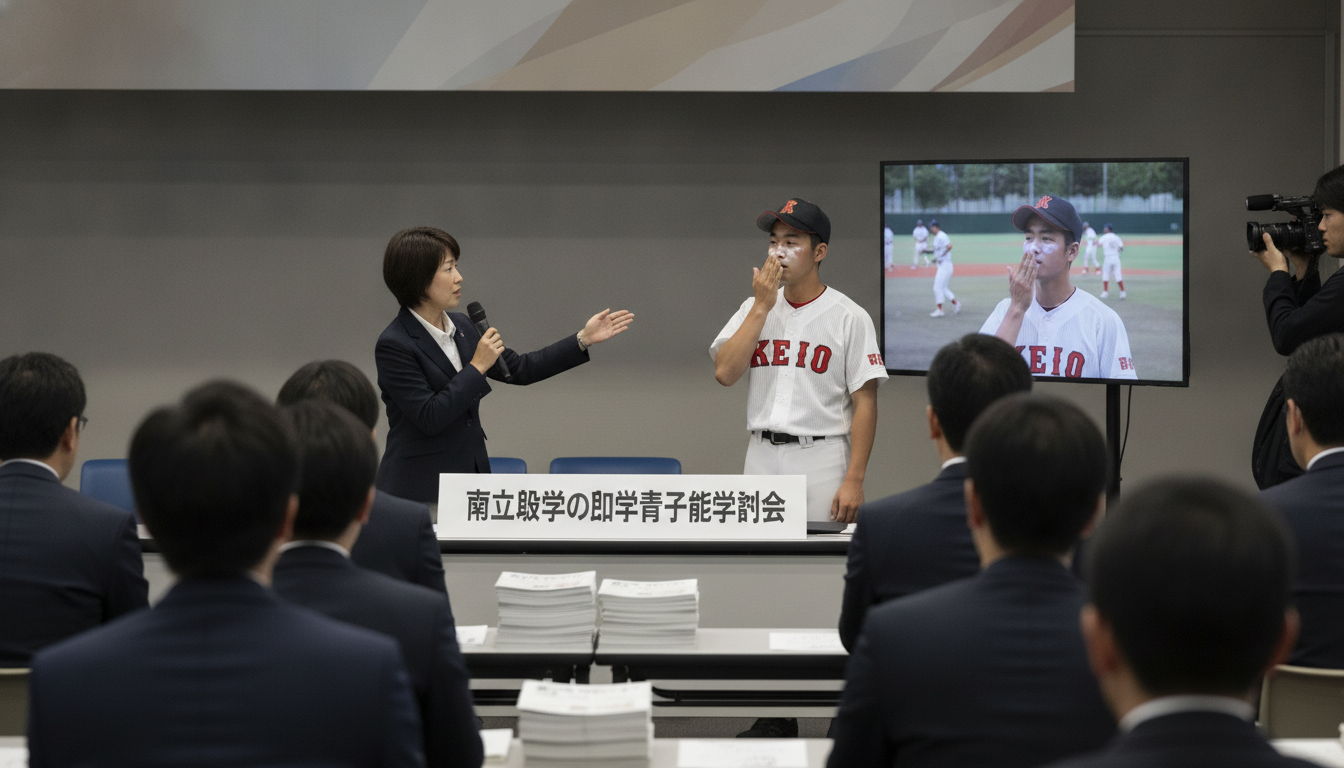
Minato Maruta, who starred as the leadoff center fielder in Keio High School’s 2023 Koshien title run, was closely watched not only for his play but for a consistent on-field habit: applying sunscreen. The practice, widely photographed and discussed on social media, prompted a broader conversation about sunscreen as part of athlete preparation rather than merely a cosmetic choice. Maruta has said the habit stems from lifelong skin sensitivity and a belief that sun protection improves heat management and recovery.
Asahi Shimbun survey finds widespread adoption of sun protection guidance
A nationwide questionnaire conducted by Asahi Shimbun found that nearly 600 secondary schools across Japan now advise or instruct players on sun protection measures, including sunscreen application. The survey suggests the guidance ranges from classroom briefings to hands-on demonstrations during practice sessions. School officials cited concerns about heatstroke, skin damage and long-term health as drivers for updated coaching practices.
Players emphasize performance and comfort alongside appearance
Interviews with players who adopted sunscreen routines echoed Maruta’s framing of sun care as performance-related. Athletes reported that applying sunscreen reduced skin irritation, limited painful sunburns and, in their experience, helped regulate body temperature and alleviate fatigue after games. Coaches and players increasingly describe sunscreen as a tool for maintaining readiness across multi-day tournaments, rather than a measure aimed at aesthetics.
Coaching staffs integrate sunscreen into daily team protocols
In response to rising awareness, several high school baseball programs have added sun protection into daily checklists and practice protocols. Some schools now include sunscreen application in pre-activity warmups, mandate shaded rest areas, and schedule educational sessions on ultraviolet risk. Athletic directors and coaches said the changes aim to standardize care for large squads and protect younger players who may lack prior guidance on sun safety.
Medical and sports specialists endorse preventative measures
Dermatologists and sports medicine specialists recommend sunscreen as part of a broader strategy to reduce ultraviolet exposure and prevent sunburn, which can exacerbate heat-related illnesses. Experts point to evidence linking repeated sunburns in youth with higher lifetime risk of skin damage, and they note that effective sun protection includes broad-spectrum sunscreen, reapplication, and complementary measures such as hats and shade. Sports physicians stress that sunscreen should be compatible with performance needs, such as sweat resistance and non-greasy formulations.
Social spotlight reshapes perceptions of athletes and grooming
Maruta’s public profile — including nicknames that circulated on social platforms — highlighted a cultural shift in how fans perceive athlete self-care. Media attention to his fair complexion and sunscreen use drew both praise and debate, but several team officials say the lasting effect has been practical: parents and prospective players now ask about sun care in school orientations and tryouts. The discourse has nudged some programs to present sun protection as part of athlete welfare and injury prevention rather than a matter of personal grooming alone.
Minato Maruta’s example and the results of the national survey illustrate a changing landscape in high school sports where sunscreen is increasingly viewed as a routine safeguard. As schools formalize guidance and experts continue to advise prevention, coaches and health staff face the task of balancing practical sun-protection measures with the demands of training and competition.

