
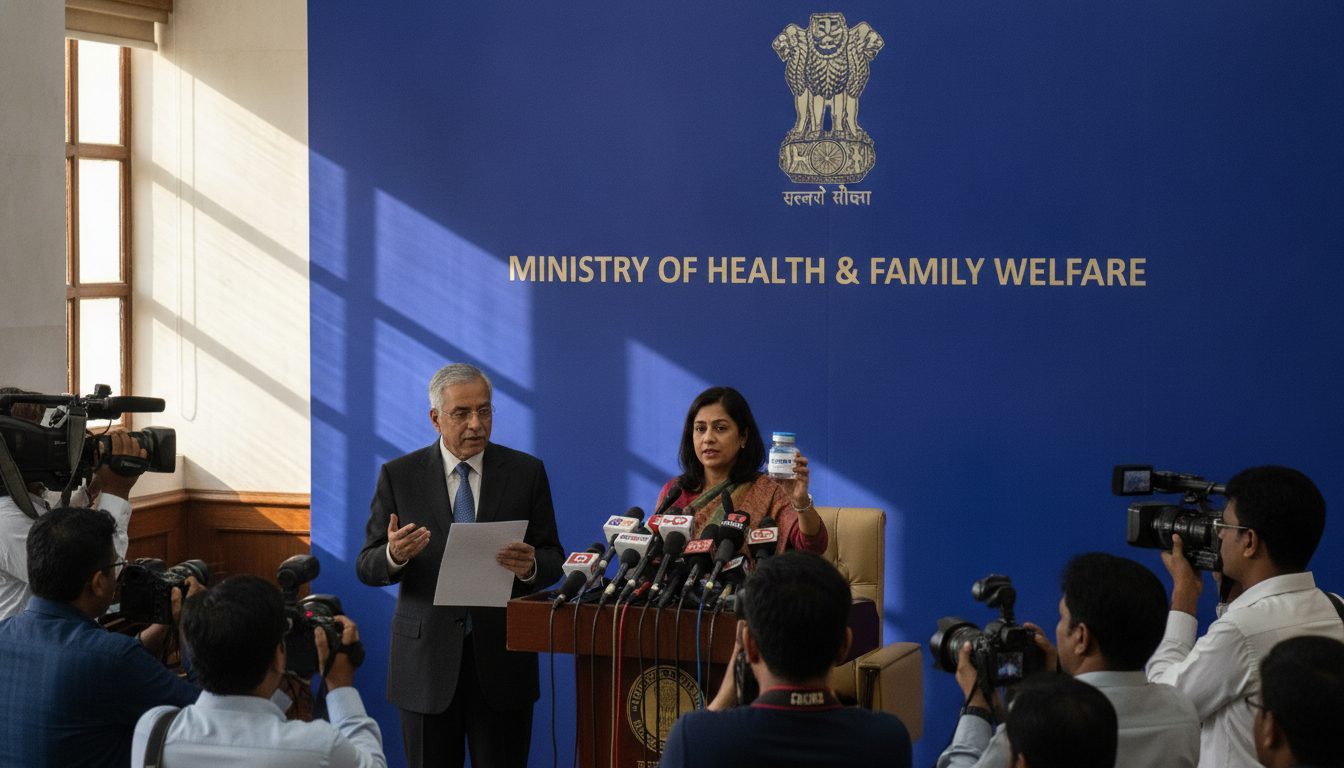
Takeda dengue vaccine Qdenga cleared in India as company seeks national immunisation rollout
Takeda dengue vaccine Qdenga won approval from India’s CDSCO in July 2026, and the company is pushing for inclusion in the national immunisation programme amid a heavy dengue burden after 120,000 cases in 2025.
Japan’s Takeda Pharmaceutical said its dengue vaccine Qdenga has secured regulatory approval from India’s Central Drugs Standard Control Organisation in July 2026, marking the first dengue vaccine authorised for prevention in the country. The company announced a plan to seek inclusion of the Takeda dengue vaccine in India’s national immunisation programme to broaden access across high-risk regions. Public health officials and company representatives framed the approval as a potential tool in reducing seasonal dengue outbreaks that afflicted roughly 120,000 people in India in 2025.
India Approves Qdenga for Dengue Prevention
India’s regulator, the CDSCO, granted marketing authorisation for Qdenga in July 2026 after reviewing clinical data submitted by Takeda. The approval makes Qdenga the first vaccine formally cleared for dengue prevention under India’s regulatory framework. Takeda described the decision as a key step toward making the vaccine available to populations at risk across the country.
Regulatory documents and company statements indicate the approval covers use in specified age groups and under defined vaccination schedules, subject to product labelling and post-marketing obligations. Takeda will now move to finalise supply arrangements and engage with authorities on implementation and reporting requirements.
Takeda Seeks Inclusion in National Immunisation Programme
A senior Takeda executive said the company aims to have the Takeda dengue vaccine included in India’s national immunisation programme to reach larger, high-risk cohorts. Inclusion in the programme would allow central procurement and potentially subsidised distribution, accelerating access in states that face seasonal dengue surges. Takeda indicated it would work with federal and state health agencies to present data and implementation plans needed for a national rollout.
Officials will evaluate programme inclusion against criteria such as disease burden, cost effectiveness, cold chain capacity, and the ability to integrate the vaccine into existing schedules. If adopted, the vaccine could be deployed initially in targeted districts or age groups before wider scale-up.
Dengue Burden and Seasonal Risks in India
Health authorities and surveillance systems recorded roughly 120,000 dengue cases in 2025, a figure public health experts say underscores seasonal vulnerability across urban and rural areas. Dengue transmission typically intensifies during and after monsoon months, placing pressure on hospitals and local health services in affected states. The cumulative burden includes severe cases, hospital admissions, and economic costs for families and health systems.
Public health specialists have emphasised that a vaccine is one component of dengue control alongside vector management, improved sanitation, and early case detection. Authorities will need to weigh how a vaccine complements existing prevention measures and target populations most likely to benefit.
Clinical Evidence and Safety Considerations
Regulatory approval of the Takeda dengue vaccine was based on clinical trial evidence submitted by the company showing efficacy against multiple dengue virus serotypes and an acceptable safety profile in studied populations. Takeda has previously published trial results and regulatory filings demonstrating protective effects in age groups included in submitted dossiers. The CDSCO reviewed those data as part of its assessment.
Post-approval, regulators typically require pharmacovigilance and real-world safety monitoring to detect rare adverse events and to confirm effectiveness outside trial settings. Health authorities in India may also request additional data on age-specific responses and interactions with other routine vaccines.
Logistics, Cost and Access Challenges
Introducing the Takeda dengue vaccine at scale will raise practical questions about supply, cold chain logistics, and financing for public programmes. States with recurrent dengue surges will need predictable vaccine supplies and infrastructure to deliver multi-dose schedules where required. Budget allocations and procurement agreements will shape how quickly the vaccine reaches public clinics and community outreach programmes.
Equity considerations will influence rollout decisions, including whether the vaccine is offered free through public services, subsidised in private clinics, or targeted to high-incidence areas. Policymakers must also address public communication to build confidence and avoid confusion about vaccine eligibility.
Reactions from Health Community and Officials
Public health experts expressed cautious optimism after the approval, noting that a licensed vaccine expands the tools available to reduce dengue’s health impact. Many observers called for transparent planning on target groups, monitoring frameworks, and integration with vector control efforts to maximise population-level benefits. State health departments are expected to consult with national authorities and technical advisory groups in the coming weeks.
Takeda’s public statements emphasise partnership with Indian health authorities and commitment to supporting implementation and surveillance activities. The company said it will continue to share data and technical support as stakeholders evaluate whether and how to adopt the vaccine within public programmes.
With regulatory clearance in July 2026 and a clear push for national programme inclusion, the Takeda dengue vaccine Qdenga now enters a new phase in India where policymakers must balance scientific evidence, logistics, and public health priorities to determine its role in preventing future dengue outbreaks.

