
King Jim launches Japan Design Collection for tourists ahead of inbound travel recovery
King Jim launches Japan Design Collection for tourists, featuring Mount Fuji and cherry blossom motifs and chopstick-shaped pens as inbound travel rebounds.
Japanese stationery maker King Jim said it will roll out a new Japan Design Collection aimed at visitors, tapping Mount Fuji and cherry blossom motifs for souvenir sales as inbound travel recovers. The collection includes visitor-oriented items such as chopstick-shaped ballpoint pens and other Japan-themed goods designed to appeal to tourists seeking compact, design-led mementos. The move reflects a growing effort by consumer brands to capture renewed demand from overseas travelers returning to Japan.
King Jim unveils Japan Design Collection
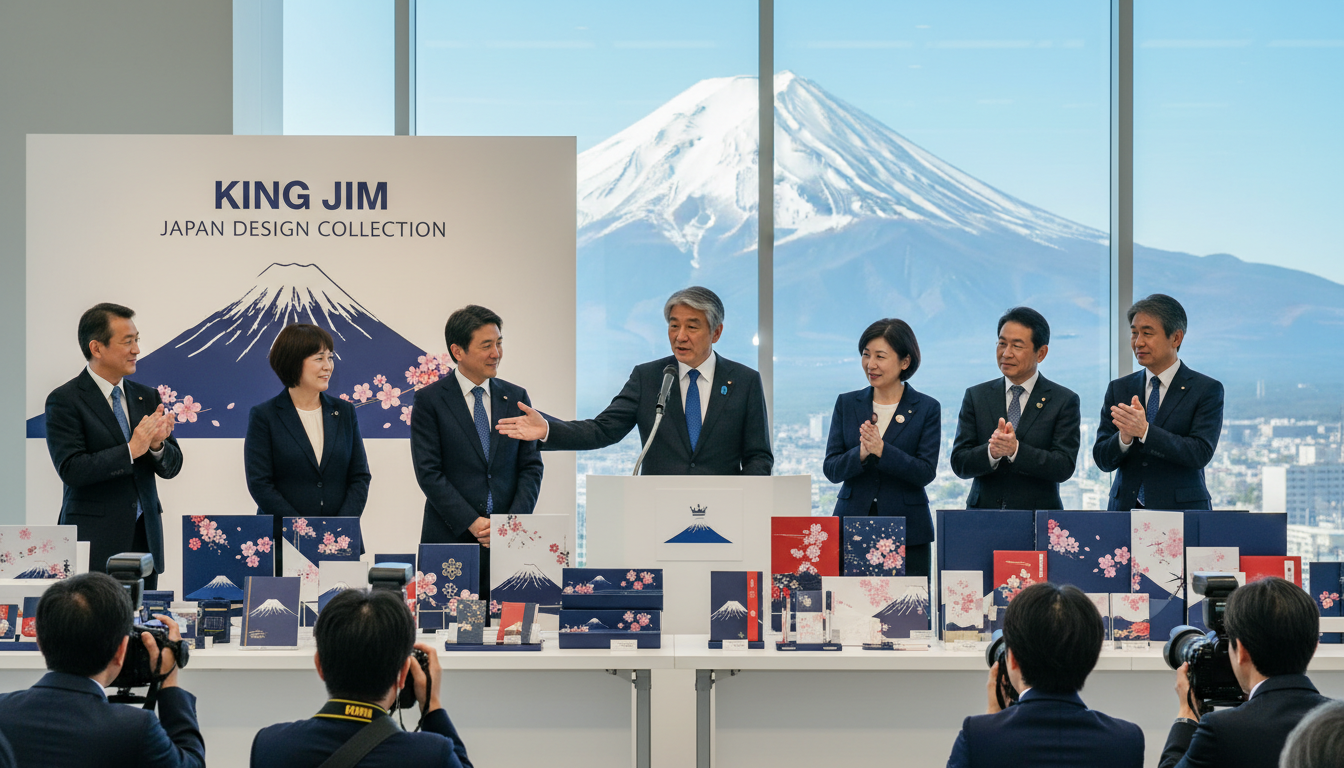
King Jim is introducing the Japan Design Collection as a line of stationery and small gift items that draw on iconic Japanese imagery. The company framed the release as a response to rising inbound tourism and a demand for locally themed gifts. Early product photos show stylized depictions of Mount Fuji and cherry blossoms across pens and other small accessories.
The collection marks a visible shift in the company’s retail focus toward visitor-facing merchandise. King Jim’s design choices underscore an intent to combine everyday functionality with imagery that resonates with short-stay travelers and overseas shoppers.
Design motifs and standout items
The Japan Design Collection centers on a handful of motifs long associated with Japan, most prominently Mount Fuji and sakura blossoms. Among the showcased pieces are ballpoint pens modeled on the shape of chopsticks, a novelty that blends cultural reference with stationery utility. Other items appear to prioritize compact size, easy packing and visual appeal.
The design language favors simple, recognisable silhouettes and pastel colorways that photograph well for social media. That visual emphasis is likely intentional, as tourists increasingly seek items that double as both keepsakes and shareable content for social platforms.
Targeting inbound tourism and souvenir demand
King Jim’s timing aligns with the broader rebound in inbound travel to Japan after international restrictions eased. Many consumer-facing companies are recalibrating product lines to serve tourists, who often purchase small, distinctive items as souvenirs or gifts. By positioning the Japan Design Collection for visitors, King Jim aims to capture a portion of that spending.
Industry observers note that tourists frequently choose lightweight, inexpensive items that convey a strong sense of place. Stationery that incorporates familiar Japanese symbols can occupy that niche while differentiating itself from generic souvenir trinkets.
Retail strategy and likely distribution channels
Though King Jim has not released a full distribution map, the company’s visitor-oriented products are expected to appear in duty-free shops, airport retailers, museum stores and specialty gift outlets. Online sales targeted at overseas customers are also a plausible avenue, allowing the company to reach travelers before and after arrival.
Packaging and point-of-sale presentation will be an important part of the strategy, industry insiders say, since presentation influences tourist purchases. Compact, gift-ready packaging and multilingual labeling would increase appeal in airport and tourist precinct retail environments.
Market positioning and pricing considerations
King Jim appears to position the Japan Design Collection as affordable, impulse-purchase merchandise rather than premium designer goods. That approach reflects the typical souvenir market, where volume sales of low- to mid-priced items can generate steady revenue. The company’s decision to marry recognizable Japanese imagery with everyday stationery suggests a deliberate targeting of gift buyers who seek both novelty and practicality.
By offering items that function as writing instruments, small organizers or desk accessories, King Jim can broaden the collection’s appeal to shoppers who prioritize usefulness alongside aesthetic appeal.
Industry context and competitor responses
The launch comes as a number of Japanese manufacturers and retailers broaden their visitor-focused assortments to leverage the tourism rebound. From traditional crafts to mass-market brands, companies are creating compact, branded goods that evoke locality. This intensified competition means design distinctiveness and retail placement will be critical for King Jim to cut through.
Collaborations with travel retailers, local tourism bodies or cultural institutions could amplify visibility, although King Jim has not announced any such partnerships. Observers say strategic tie-ins and pop-up presences in high-traffic tourist zones often help new visitor lines gain traction quickly.
King Jim’s new Japan Design Collection illustrates how consumer goods companies are adapting product strategies to a changing retail landscape where inbound travel again plays a significant role in sales. By combining practical stationery with instantly recognisable Japanese symbols, the company is positioning itself to capture souvenir demand from short-stay visitors and international shoppers. The collection’s success will depend on product placement, price points and the ability to stand out in a crowded souvenir market as tourism continues to recover.

