
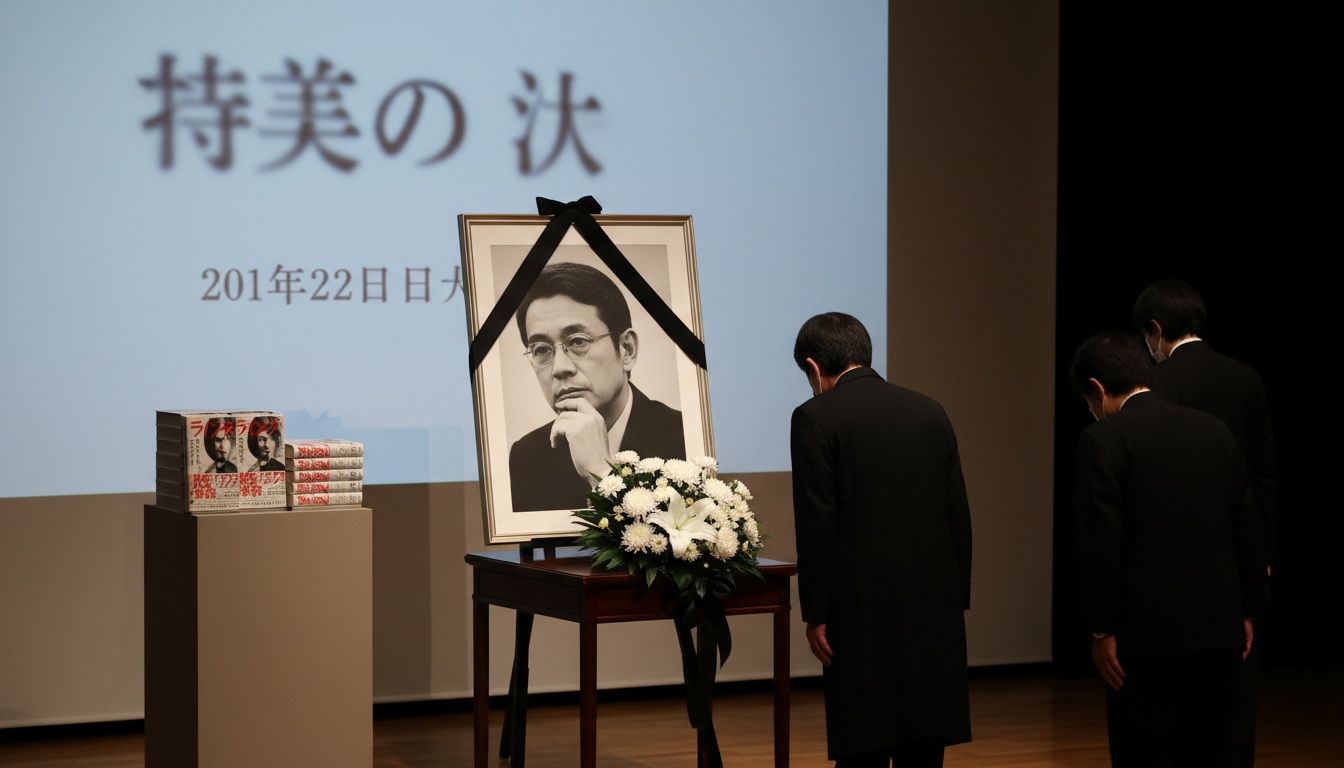
Koji Suzuki, author of "Ring," dies at 68
Koji Suzuki, author of the horror novel "Ring," has died at 68 in Tokyo. His work sparked the J‑Horror boom and inspired global film adaptations, and awards.
Koji Suzuki, the Japanese novelist best known for the horror novel "Ring," died on Friday, May 8, 2026, at a hospital in Tokyo. He was 68. Suzuki’s passing marks the end of a career that reshaped modern horror fiction in Japan and reverberated through international cinema.
Koji Suzuki Dies in Tokyo Hospital
Koji Suzuki was reported to have died on Friday, May 8, 2026, at a hospital in Tokyo. He was 68 years old at the time of his death.
Details released by representatives confirm his identity and age, while family members have requested privacy as arrangements proceed. The exact cause of death has not been publicly disclosed.
Early Career and Breakthrough with "Ring"
Suzuki graduated from Keio University and made his debut as a novelist in 1990. He gained national prominence with the 1991 release of "Ring," the first book in a trilogy that included "Rasen (Spiral)."
"Ring" centers on the figure Sadako and a cursed videotape, a premise that married technological dread to psychological suspense. The novel became a bestseller in Japan and established Suzuki as a leading voice in contemporary horror literature.
1998 Film Adaptation and the Rise of J‑Horror
The story of "Ring" was adapted into a Japanese film in 1998 that emphasized slow‑burn suspense and psychological tension over explicit gore. That cinematic treatment helped popularize a style of filmmaking now widely associated with J‑Horror.
The film’s international success opened broader interest in Japanese horror narratives and aesthetics, influencing filmmakers, writers, and audiences around the world. Suzuki’s original novel has since been seen as a foundational text for that movement.
Global Adaptations and Critical Reception
"Ring" later received a Hollywood remake, which introduced the core story and its unsettling motifs to Western viewers. Across multiple adaptations, the central elements—Sadako, media‑borne curses, and the erosion of domestic safety—remained focal points of critical discussion.
Critics frequently cited Suzuki’s restraint and focus on atmosphere as central to the enduring power of his work. Across print, film and other media, his narratives continued to provoke debate about fear, technology and narrative form.
Awards, Later Novels and Translations
Beyond "Ring," Suzuki’s oeuvre included standalone novels and short fiction that explored horror, mystery and speculative themes. In 2013, the English translation of his novel "Edge" won a Shirley Jackson Award, recognizing excellence in psychological suspense, horror and the dark fantastic.
Suzuki’s works were translated into multiple languages and reached an international readership, contributing to a broader appreciation for Japanese genre fiction. Publishers and translators praised his ability to combine folkloric unease with contemporary anxieties.
Influence on Writers and Filmmakers
Writers and filmmakers have cited Suzuki’s blending of literary technique with genre elements as influential to a generation of creators. His narratives often focused on ordinary settings disrupted by uncanny intrusions, a pattern that became a hallmark of modern Japanese horror.
Film scholars point to Suzuki’s novels as a key source for the thematic and stylistic choices that defined late‑20th and early‑21st century horror cinema in Japan. His storytelling approach—favoring suggestion, escalation and moral ambiguity—has been taught and analyzed in literary and film studies.
Publishing Legacy and Ongoing Adaptations
Several of Suzuki’s works remain in print and in circulation, and his novels continue to be options for adaptation across film, television and other formats. Ongoing interest in his stories has led to renewed editions and new translations in recent years.
Publishers and rights holders have indicated that Suzuki’s catalog will remain available to readers and producers, ensuring continued access to his best‑known works. The author’s name remains synonymous with a pivotal moment in the globalization of Japanese genre fiction.
Koji Suzuki’s death closes a chapter in contemporary Japanese literature and film, but his stories will continue to be read, adapted and discussed for their deft combination of literary craft and elemental dread.

