
Lynas rare earths deal with U.S. Defense draws public backlash in Malaysia
Lynas rare earths supply deal with the U.S. Department of Defense has provoked protests in Malaysia, prompting calls for stricter oversight and clearer environmental safeguards.
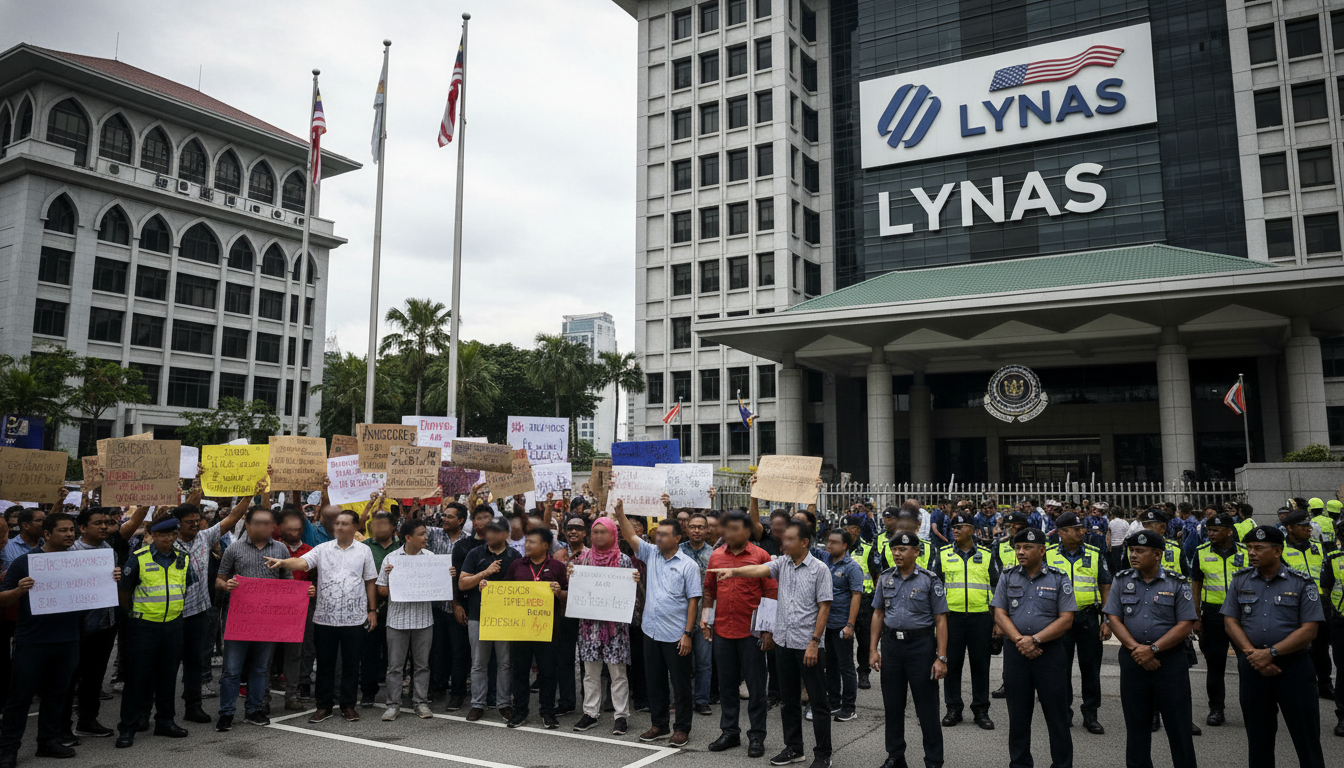
KUALA LUMPUR — A supply agreement between Australian miner Lynas and the U.S. Department of Defense has triggered a public backlash in Malaysia, where the company processes rare earths for export. Lynas rare earths are at the centre of protests from activists and community groups who say they were not adequately consulted about shipments destined for U.S. defence use. The dispute underscores rising tensions over efforts to diversify global rare-earths supply chains away from China.
Public protests in Malaysia escalate
Demonstrations have gathered in several Malaysian cities as activists demand greater transparency about the terms of the supply deal and the downstream use of materials processed locally. Protesters, including members of youth group UNDI18, have voiced unease that materials refined in Malaysia could directly support military programmes abroad. Organisers say their grievances focus on both national sovereignty concerns and potential environmental and health risks connected to rare-earth processing.
Authorities have monitored demonstrations closely but there have been no widespread reports of violence or mass arrests. Organisers and some local politicians have called for public briefings and independent audits to clarify what the arrangement entails and how Malaysia benefits from the deal. Community leaders say they want legally binding guarantees on waste management, monitoring and community compensation.
U.S. Department of Defense contract details
While officials have confirmed a supply relationship intended to secure non-China sources of rare-earth elements, details of any specific contract between Lynas and the U.S. Department of Defense remain limited in public disclosure. Industry analysts note that the U.S. has sought to strengthen ties with alternative suppliers to reduce strategic dependence on a single dominant producer. The lack of full public documentation, however, has become a flashpoint for critics who argue that national-level decisions should involve clearer parliamentary or public scrutiny.
Defence procurement officials typically cite strategic resilience and supply-chain diversification when pursuing such agreements, and private-sector partners say longer-term contracts help justify capital investment. Still, transparency advocates in Malaysia argue that procurement aims for distant capitals should not overshadow local environmental safeguards and community consent.
Lynas’s operations and expansion in Malaysia
Lynas has expanded its footprint in Southeast Asia in recent years as part of a broader strategy to process and refine rare-earth materials outside of China. The company highlights job creation, investment in local facilities and partnerships with suppliers as economic benefits of its presence. Malaysian officials and business observers say the investments have supported local manufacturing clusters and provided new export revenues.
At the same time, some residents near processing sites and civil society groups continue to demand stronger environmental protections and independent monitoring. Calls have increased for clear waste disposal plans, transparent reporting of emissions and routine public access to environmental impact assessments.
Activist demands and community concerns
Activists are seeking binding guarantees on human health and environmental protections, along with clauses that ensure local communities share fairly in economic returns. Youth activists and civic organisations have asked for inclusive consultations, independent scientific studies and legally enforceable oversight mechanisms. They also want detailed information on which end-user programmes the materials will support, particularly where defence uses are involved.
Community leaders stress the asymmetry between strategic decisions made overseas and the localized consequences of mineral processing, arguing that any benefits must be matched by rigorous protections and accountability. Several groups have signalled plans to pursue legal avenues and sustained public campaigns until their demands are addressed.
Government and diplomatic responses
Malaysian regulators have indicated they will review the matters raised by campaigners, balancing economic interests with environmental and public-safety obligations. Government statements to date have emphasised the importance of foreign investment while reiterating the state’s regulatory role. Diplomats and trade officials in the region are also paying close attention, given the geopolitical significance of rare-earth materials to high-tech and defence industries.
Foreign affairs and trade ministries must navigate competing priorities: attracting investment, maintaining export relationships and addressing domestic political pressures. Observers say the government’s response in the coming weeks will be closely watched by investors and civic groups alike.
Implications for the regional rare-earths supply chain
The controversy in Malaysia illustrates wider pressures facing countries trying to develop rare-earth supply chains independent of China, including social licence, environmental standards and political acceptability. Companies like Lynas argue that diversified supply networks are necessary to secure critical materials for renewable energy, electronics and defence technologies. Yet the public reaction shows that market and strategic imperatives can be undermined by insufficient local engagement and perceived secrecy.
Regional governments, multilateral organisations and industry players may now face renewed calls to build clearer frameworks for community consultation, cross-border environmental oversight and transparent procurement practices. How these frameworks evolve could shape investment flows and the pace at which alternative rare-earth hubs are established.
The Lynas rare earths dispute in Malaysia puts a spotlight on the trade-offs between national strategic goals and local community expectations, and it underlines how supply-chain decisions in a globalised industry can reverberate through domestic politics and international diplomacy.

