
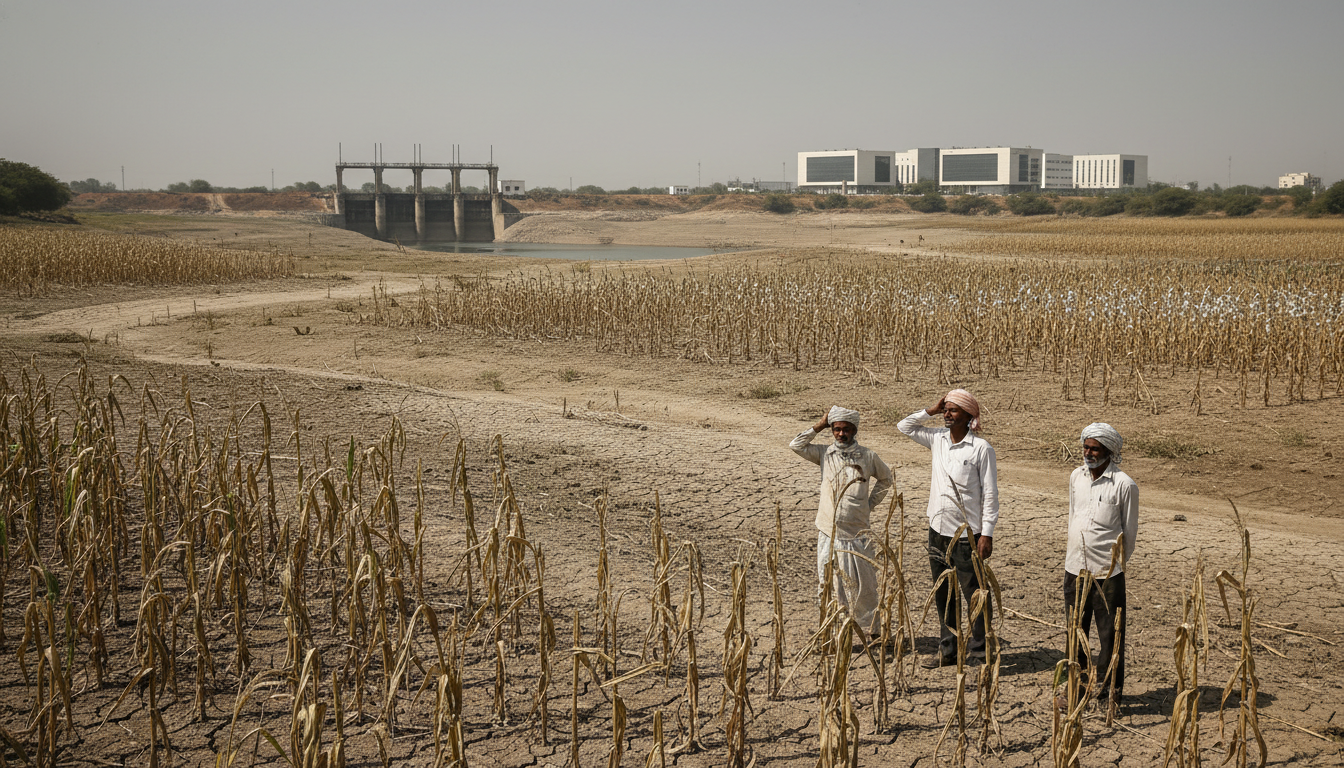
Maharashtra drought returns as El Niño raises risks to crops, hydropower and data centres
Return of drought in Maharashtra linked to El Niño threatens crops, hydropower and data centres, worsening rural water shortages and economic distress.
Maharashtra is facing a renewed drought threat as El Niño conditions take hold, raising alarms over crop losses, strained reservoirs and potential impacts on hydropower and data centre operations. The Maharashtra drought has already begun to stress agricultural communities and municipal supplies in several districts, prompting calls for rapid relief and water-management measures. Officials and analysts warn that without swift action the situation could deepen into a broad economic and humanitarian problem across the state.
Maharashtra drought re-emerges amid El Niño forecast
A pronounced El Niño pattern this year has reduced monsoon predictability, increasing the likelihood of below-average rainfall across parts of western and central India. Meteorological signs and early reservoir readings have led local authorities to flag heightened drought risk for many districts of Maharashtra. Farmers and water managers say the timing and intensity of rainfall will determine whether short-term scarcity becomes a multi-season crisis.
Reservoir depletion and river flows under pressure
Reservoir levels in several catchments have fallen below the previous five-year averages, reducing buffer capacity ahead of the monsoon peak. Lower inflows into major dams limit irrigation allocations and reduce the water available for cities and industry. Water officials report that some minor irrigation tanks and village ponds have already dried, increasing dependence on trucked water and emergency schemes.
Crop prospects and farmer livelihoods at stake
Agricultural advisers say early-stage moisture deficits threaten sowing and germination for key crops such as cotton, soybean and pulses that dominate the state’s farm economy. Delayed or failed rains could lower yields just as input costs and debt levels remain high for many cultivators. The Marathwada region’s history of severe hardship is stark: according to press accounts at the time, around 400 farmers from that area died by suicide in the first five months of 2016 during a severe drought, a reminder of the socio-economic stakes if conditions deteriorate again.
Hydropower generation and energy supply risks
Reduced reservoir volumes will directly affect hydropower generation capacity as operators cut output to conserve water for essential uses. Electricity planners caution that lower hydro output may raise reliance on thermal generation and imports from neighboring states, increasing costs and pressure on the grid during peak demand. Rural electrification and irrigation pumps, which depend on both water and power, could face compounded shortages if generation and supply constraints coincide.
Data centres and critical infrastructure face indirect threats
Data centres and other water-dependent facilities in and near Maharashtra may confront operational challenges if municipal and industrial water supplies are curtailed. Many data centres use significant quantities of water for cooling, and sustained scarcity could force tighter water use restrictions or higher operating costs. Infrastructure managers are beginning contingency planning to prioritise essential services and reduce non-critical water consumption.
Government response and relief planning
State and district authorities are mobilising measures including accelerated water transfers, targeted cash and seed support for vulnerable farmers, and restrictions on non-essential groundwater extraction. Officials say contingency funds and emergency drilling teams will be deployed in the most affected blocks, while agricultural extension services are advising farmers on drought-tolerant sowing options. Analysts stress the need for coordinated plans that balance immediate relief with medium-term investments in storage, groundwater recharge and irrigated agriculture.
Longer-term water security experts argue that the crisis underscores structural vulnerabilities: ageing irrigation infrastructure, uneven groundwater governance and limited buffer storage amplify weather shocks. There is growing focus on improving forecasting, expanding micro-irrigation and restoring small tanks to make rural water systems more resilient against recurring El Niño-related shortages.
The coming weeks will be decisive for the state’s agricultural calendar and energy outlook, with meteorological updates and reservoir reports closely watched by farmers, utilities and policymakers. If the rains remain below average, Maharashtra could face a cascade of impacts from reduced harvests to tighter power supply and higher costs for businesses and households.

