
Electric vehicles surge in Malaysia as Proton’s e.MAS lineup helps EVs overtake hybrids in H1 2026
Electric vehicles in Malaysia more than doubled in H1 2026, overtaking hybrids as Proton’s e.MAS models boost demand and prompt higher industry forecasts. (154 characters)
Electric vehicles logged a sharp rise in Malaysia during the first half of 2026, more than doubling year-on-year and overtaking hybrid sales for the first time. The market shift has prompted local automakers and dealers to revise up their full-year forecasts as new battery-electric models, notably Proton’s e.MAS series, attract fresh buyer interest. Industry sources say the trend reflects a combination of new product launches, improving consumer awareness and shifts in pricing and incentives.
Sales jump and market mix changes
Registrations of electric vehicles expanded rapidly across urban and suburban markets in the first six months of 2026, according to industry observers and dealer reports. This surge allowed battery-electric vehicles to surpass hybrid models in market share for the period, signaling a substantive change in consumer purchasing patterns. Manufacturers report that the growth was strongest in segments where new, competitively priced EV models were introduced.
The reversal in the sales mix has also altered inventory and supply chain priorities for importers and local assemblers. Where hybrids previously occupied a sizable portion of showroom demand, electrified vehicles now lead dealer order books, forcing sharper production planning and allocation of EV-specific components.
Proton’s e.MAS models credited with momentum
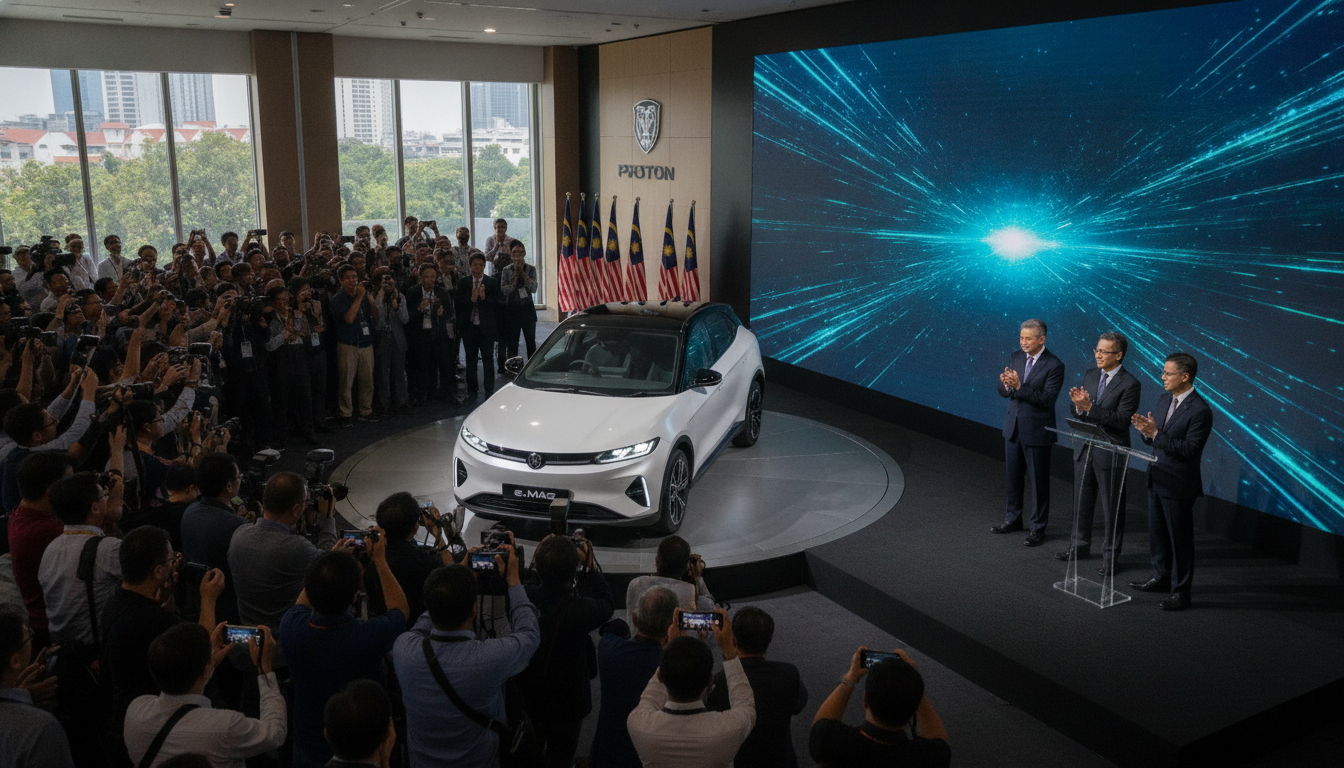
Proton’s recently launched e.MAS lineup has been cited by multiple dealers as a major contributor to the increase in electric vehicle uptake. The automaker’s marketing push and expanded model range appear to have lowered barriers for mainstream consumers considering a switch to full battery-electric cars. Displayed at public launch events, models such as the e.MAS 5 have drawn particular attention for their pricing and feature sets.
Industry insiders say Proton’s entry into the EV segment at scale has prompted competitive responses from other regional brands, accelerating model rollouts and promotional offers. The result is a wider set of choices for buyers and downward pressure on list prices and financing terms for electric vehicles.
Manufacturers raise 2026 industry forecasts
Automakers and local industry groups have revised upward their sales projections for 2026 in light of the strong first-half performance of electric vehicles. Several manufacturers signaled that full-year targets for EV penetration will be increased to reflect the current momentum and recent product introductions. These upward revisions are intended to account for both sustained consumer interest and factory allocation changes.
Analysts caution that while forecasts have been raised, sustainability of the trend will depend on supply continuity, competitive pricing, and policy support. The near-term outlook remains positive, but projections vary by brand and segment depending on production capacity and dealer network readiness.
Dealers report stronger consumer interest and shorter lead times
Retail outlets across key urban centers reported a noticeable rise in showroom traffic specifically for electric vehicles, with test drives and purchase inquiries both increasing over the past quarter. Dealers described a mixed buyer profile that includes first-time EV owners alongside customers trading up from smaller internal-combustion models. In some cases, wait times for popular electric vehicle models have shortened as manufacturers expanded allocations to meet demand.
Financing offers, extended warranties and bundled home-charging packages have become more common as dealerships seek to convert interest into sales. These commercial incentives, coupled with clearer total-cost-of-ownership comparisons, have helped ease consumer concerns about switching to electric vehicles.
Infrastructure and affordability remain constraints
Despite the rapid sales gains, challenges persist that could temper longer-term EV adoption, industry participants say. Charging infrastructure outside major metropolitan areas remains uneven, and the pace of public charging deployment will be crucial to maintain consumer confidence. Rural and long-distance travel patterns still favor hybrid or combustion-engine vehicles for many buyers.
Affordability is another limiting factor, particularly for lower-income segments where upfront prices of electric vehicles remain higher than equivalent internal-combustion models. Continued price competition, second-hand EV availability and innovative financing will be important to broaden adoption beyond early adopters and urban households.
Regional competition and supply implications
The stronger-than-expected shift toward electric vehicles in Malaysia has reverberated across Southeast Asian markets, prompting regional competitors to reassess export and model strategies. Manufacturers with flexible production platforms are prioritizing EV variants for markets showing the fastest take-up. This reorientation may strain certain parts supply chains while creating opportunities for local suppliers to upgrade capabilities.
Observers note that a coordinated approach involving manufacturers, energy providers and government bodies will be required to address both hardware and consumer-service gaps. Public-private collaborations on charging networks and incentives could accelerate transition while stabilizing market growth.
Market participants say the first half of 2026 marks a turning point for electrified transport in Malaysia, with electric vehicles now occupying a leading share of new registrations and reshaping competitive dynamics. Continued progress will hinge on maintaining product momentum, expanding charging access and ensuring affordability for a broader cross-section of consumers.

