
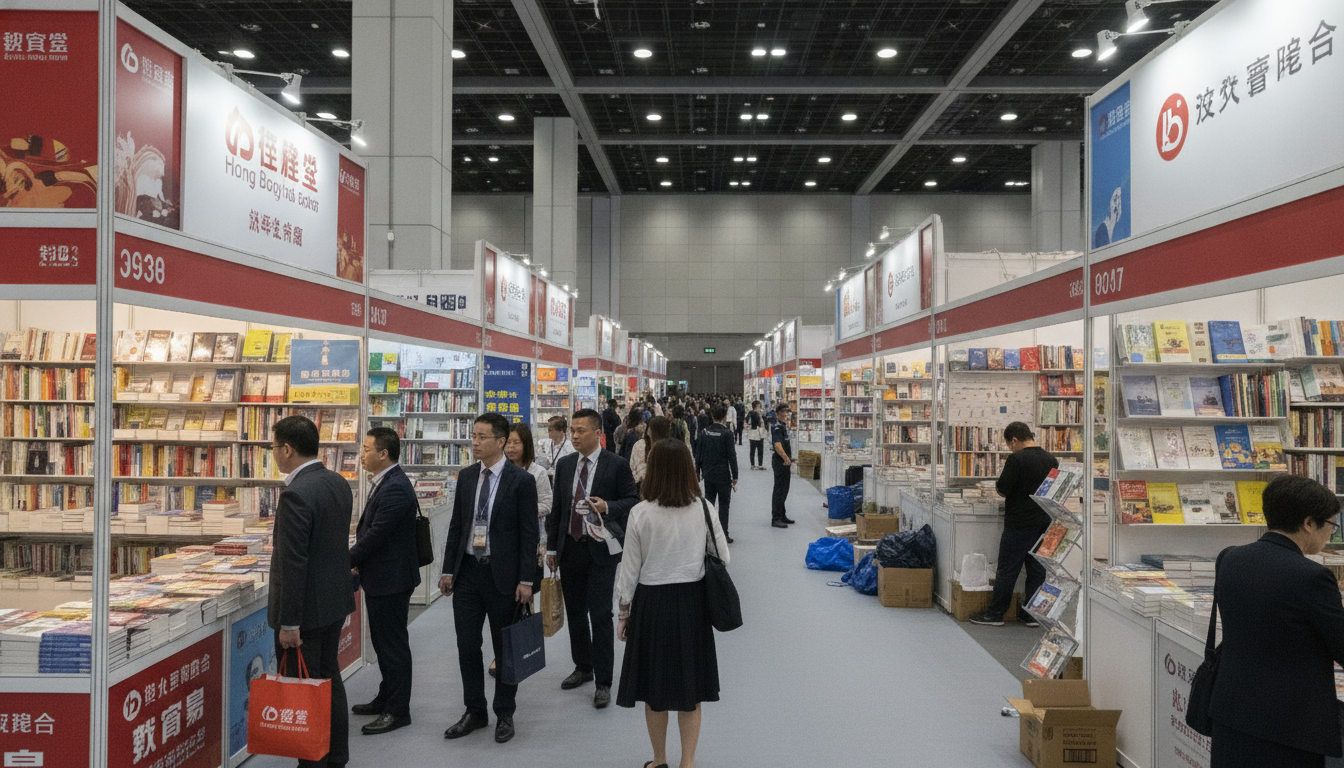
Chinese publishers expand at Hong Kong Book Fair as independent booksellers sidelined
Chinese publishers expand at the Hong Kong Book Fair as independent booksellers are sidelined amid political scrutiny; ByteDance promotes microdramas and digital formats.
The Hong Kong Book Fair concluded on July 21 with a noticeably larger presence from mainland Chinese publishers and a diminished showing from independent local booksellers, highlighting tensions between cultural commerce and political oversight at a government-sponsored event. Organizers said the seven-day fair drew thousands of visitors, while several stalls representing small, independent shops were absent after eligibility and exhibitor vetting that local sellers described as stricter than in prior years. The surge in mainland exhibitors coincided with prominent technology platforms, including ByteDance’s Tomato Novel, promoting short-form online microdramas and serialized digital fiction to a broad Hong Kong audience.
Greater mainland presence at the fair
The exhibition halls contained an increased number of mainland publishing houses, many showing new titles and marketing packages tailored for regional readers, which shifted the fair’s commercial balance. Publishers from the mainland occupied larger displays than in recent years and offered translated works alongside Chinese-language editions aimed at Hong Kong consumers. This influx reflected both strategic market expansion by mainland firms and a coordinated push to integrate Hong Kong venues into wider distribution networks.
Independent booksellers excluded or scaled back
Several independent, Hong Kong-based booksellers said they were not present at this year’s fair after failing to secure space or choosing to withdraw amid uncertainty over exhibitor approvals. Owners and staff described a more opaque vetting process, with some citing new documentation requirements and tighter content checks that effectively reduced their ability to participate. The absence of these smaller sellers removed a familiar layer of the fair’s marketplace, where local imprints and politically sensitive titles have historically found shelf space.
Political scrutiny and concerns over ‘red lines’
Local booksellers and cultural groups warned that renewed scrutiny had created ambiguous “red lines” about permissible content, prompting self-censorship and preemptive withdrawal from public promotion. While organizers emphasized compliance with local laws and event regulations, some publishers said the atmosphere had become cautious, with discussions about politically sensitive topics less visible on the exhibition floor. The dynamic has raised broader questions about Hong Kong’s cultural autonomy and the space available for dissenting or controversial voices within mainstream book events.
Digital content and ByteDance’s Tomato Novel push microdramas
Alongside print displays, digital platforms played an expanded role at the fair, with ByteDance’s Tomato Novel promoting short, episodic microdramas and serialized fiction aimed at mobile readers. Exhibitors demonstrated how bite-sized narrative formats and interactive story apps can reach younger audiences who may prefer streaming-like consumption over traditional books. The platform’s presence underscored a shift in publishing business models, where tech companies serve as both distributors and producers of original literary content.
Organizers, sponsorship and official framing
The Hong Kong government sponsored the seven-day event and highlighted attendance figures and commercial activity in press materials, casting the fair as a success for the city’s cultural calendar. Organizers maintained that exhibitor selection followed established guidelines and that the event remained open to a range of publishers and formats. Nevertheless, statements from officials focused on economic and tourism benefits, while independent sellers and critics asked for clearer, consistent policies governing cultural expression at major public events.
Market response and reader behavior
Visitor patterns at the fair suggested robust interest in lifestyle, education and translated fiction, while politically themed or niche titles drew smaller, more discreet audiences. Retailers reported brisk sales in mainstream categories but noted that works perceived as politically sensitive were either less prominently displayed or offered through invitation-only channels. The interaction between mainland publishing strength and local demand appears to be reshaping inventory decisions for Hong Kong booksellers and could influence what titles are promoted in future fairs.
The outcome of this year’s Hong Kong Book Fair has intensified debate over how the city balances commercial cultural exchange with protections for diverse voices, as a growing mainland presence and heightened scrutiny alter who can visibly participate in public literary life.

