
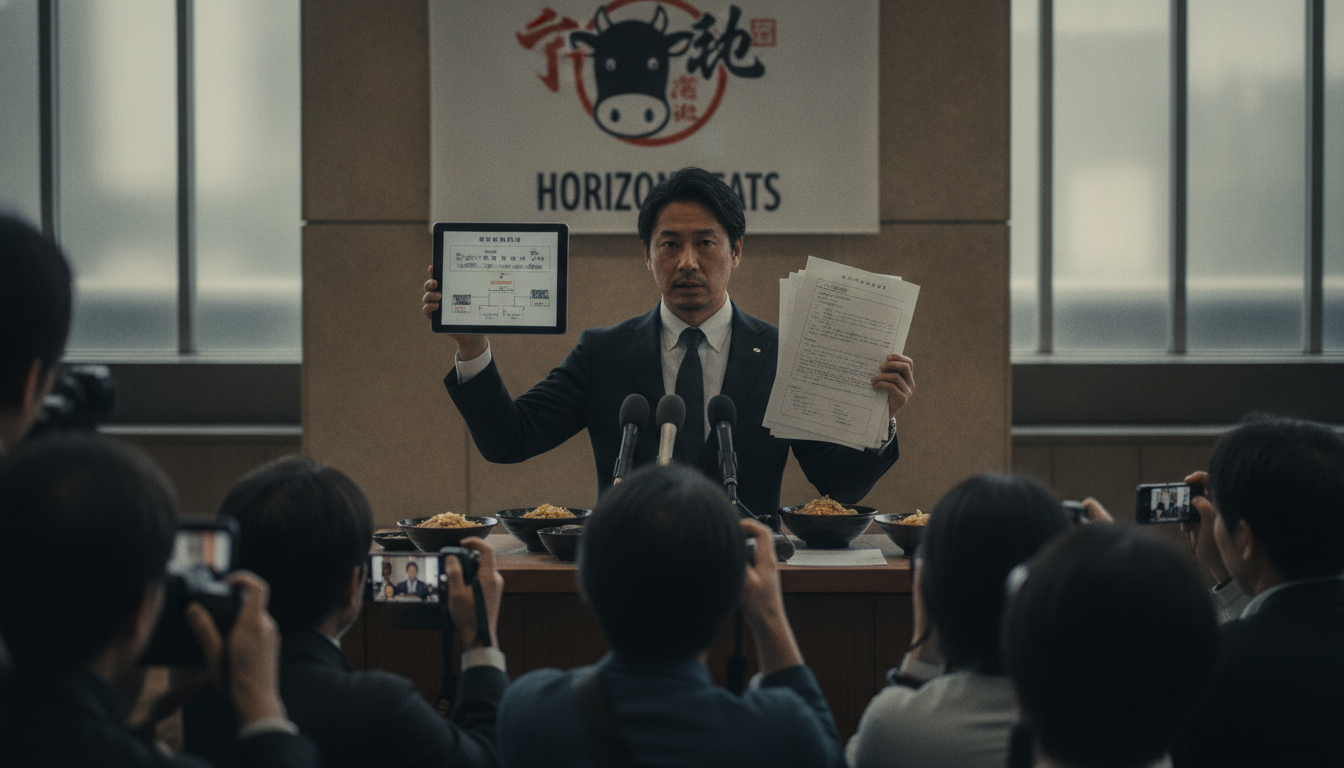
AI-assisted lawsuit in Osaka after diner served cold noodles dropped into sink
An Osaka man launched an AI-assisted lawsuit after discovering cold noodles he had been served appeared to have been scooped from a sink basket, using Google Gemini to draft legal claims and navigate court forms.
A 43-year-old Osaka resident says he was served cold noodles at a yakiniku restaurant in April 2026 after watching staff drop noodles into a sink and then lift the drain basket as if to serve them. He paid roughly ¥4,000 that night and returned to the shop to demand an explanation, receiving a ¥759 refund but remaining dissatisfied. Frustrated and without legal training, he turned to Google Gemini for advice and later used AI-generated assistance to prepare and file a pro se complaint against the restaurant’s operating company.
Sequence of events inside the restaurant
The man says the incident occurred in April 2026 while he was seated at a counter facing the kitchen. He ordered naengmyeon as a finishing dish and observed a staff member appear to drop noodles into the sink during straining. According to his account, the worker lifted the drain basket and transferred the noodles into a serving bowl, which was brought to the man’s seat.
After finishing the meal and paying the bill, the man left but soon returned, demanding an explanation from staff. The restaurant acknowledged that “two or three strands” had fallen into the sink and refunded the cost of the cold noodles, but the visitor said the refund did not resolve his concerns about hygiene and consumer safety.
How Google Gemini contributed to the complaint
Disturbed by the experience, the man consulted Google Gemini, a generative AI, during breaks at work and described what had happened. He says the AI responded that the incident constituted a serious lapse in hygiene and suggested possible legal steps, including documenting the event and seeking a refund or formal complaint. The man then used AI-generated templates and guidance to draft a writ and related documents for filing a civil claim without hiring a lawyer.
Photographs taken in June 2026 show the man with his smartphone displaying AI exchanges and the draft complaint, which he ultimately submitted as a pro se plaintiff. The case highlights a growing trend in which individuals without legal backgrounds rely on generative AI to prepare pleadings and navigate court procedures.
Legal community reaction and expert concerns
Legal professionals and consumer advocates express mixed reactions to AI-assisted self-representation. Some see potential benefits in increasing access to justice, particularly for small claims or clear-cut consumer disputes where the cost of hiring counsel may exceed potential recovery. Others warn that AI-generated documents can contain errors, omit critical legal arguments, or provide incorrect procedural advice that harms a litigant’s case.
Experts stress that while AI can assist with drafting, it cannot replace legal judgment, courtroom strategy, or an attorney’s duty of confidentiality. Courts may also scrutinize the accuracy and reliability of AI-supplied information, and litigants who rely solely on automated tools risk missing deadlines or procedural requirements.
Court procedures and consumer remedy sought
The plaintiff has filed the complaint against the operating company of the yakiniku chain, seeking remedies tied to hygiene breaches and consumer protection obligations. The precise claims and the relief sought remain confidential in early filings, but sources indicate the suit focuses on the company’s duty to maintain sanitary conditions and to provide safe food.
In Japan, small consumer claims can be handled through summary courts or civil procedures accessible to non-lawyers, though substantive issues and larger claims generally benefit from professional representation. The case will test how courts treat pleadings drafted with AI support and whether judges require corroborating evidence beyond the litigant’s account.
Broader trend of pro se litigation and generative AI
The Osaka suit is one among a rising number of pro se filings where generative AI tools have played a role in drafting documents or suggesting legal strategies. Advocates for access to justice note that AI could help individuals who otherwise lack resources to pursue legitimate claims. Regulators and bar associations, however, are already discussing guidelines for the ethical and accurate use of AI in legal contexts.
Policymakers are also weighing whether platforms that provide legal templates and advice should carry disclaimers, require human oversight, or meet quality-control standards. The balance sought is to enable helpful assistance without exposing consumers to the risks of incorrect or incomplete legal guidance.
As courts begin to see more AI-assisted filings, judicial officials may issue clarifying guidance on acceptable practices for self-represented litigants relying on automated tools. Observers say the Osaka case could become a reference point in that conversation.
The man involved says his core motivation was not monetary but a desire to hold the restaurant accountable and to highlight what he sees as a lapse in food safety practices. His decision to pursue an AI-assisted lawsuit reflects both frustration with traditional barriers to legal help and the rapid integration of generative AI into daily life.

