
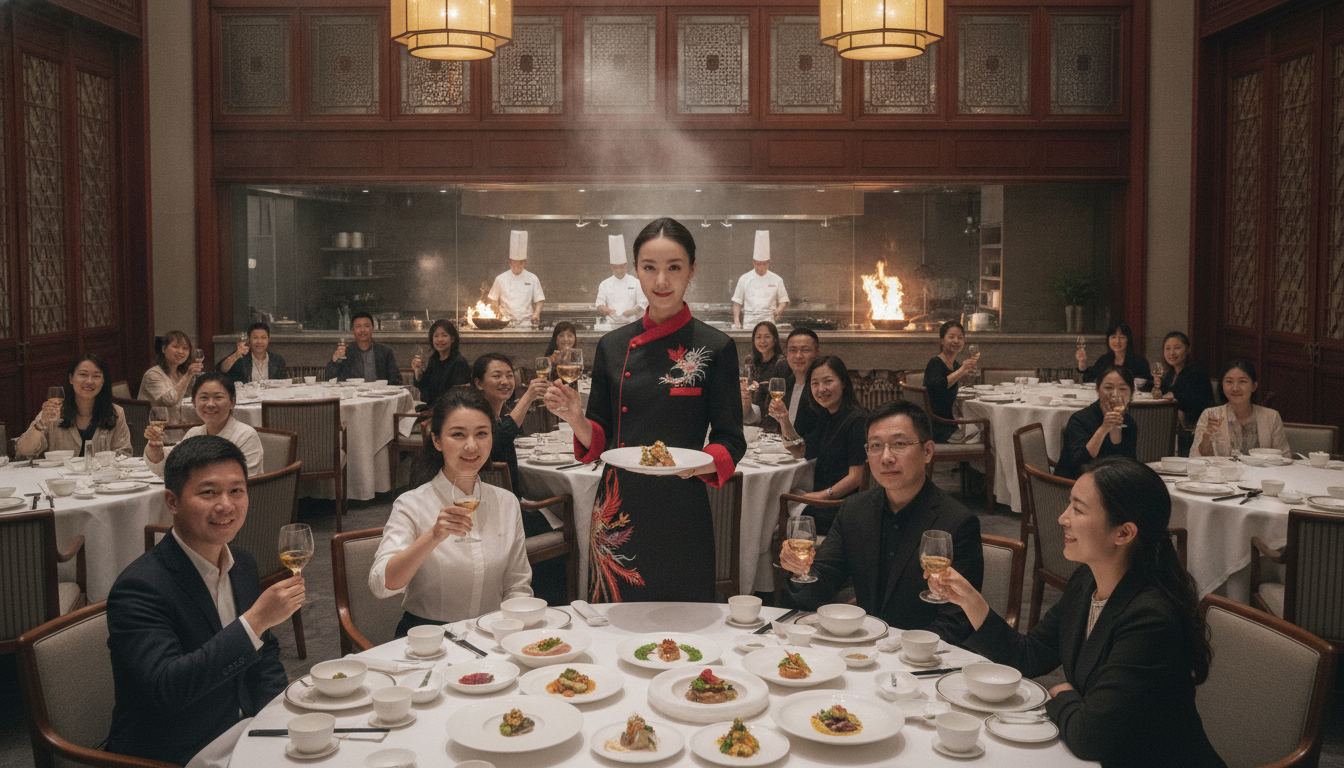
Hangzhou culinary scene rebounds as eastern Chinese city emerges as a fine-dining hub
Hangzhou culinary scene surges as chefs rework Zhejiang ingredients, turning the city once labeled a "food desert" into a growing fine-dining destination with rising domestic interest.
Hangzhou Sees Rapid Growth in Fine Dining
In recent years Hangzhou has recorded a noticeable uptick in high-end restaurants and experimental kitchens, driven by local chefs and returning culinary talent. New openings are clustered in historic neighborhoods and near the West Lake tourist corridor, signaling a shift from purely mass-market dining to curated gastronomic experiences. Industry observers say the city’s profile as a culinary destination is strengthening as diners seek regionally distinct menus.
Local Ingredients Reclaimed by Chefs
Chefs across Hangzhou are restoring attention to Zhejiang’s agricultural and freshwater bounty, from pond-raised fish to mountain vegetables. Restaurants are pairing these ingredients with modern techniques, creating dishes that foreground local seasonality and terroir. This turn toward provenance has helped differentiate Hangzhou from larger, more cosmopolitan food centers and attract diners interested in regional authenticity.
Xi Yin and Signature Dishes Draw Attention
Standout venues such as Xi Yin have become emblematic of the trend, offering items like lamb chops smoked over century-old persimmon wood and leaves. Such signature preparations combine traditional fuel sources and local produce with refined presentation, appealing to both domestic gourmets and visiting food writers. These dishes serve as culinary calling cards that communicate a distinctly Hangzhou identity.
Investments and Tourism Drive Expansion
Private investment and a rebound in domestic travel have provided momentum for new restaurant ventures and hospitality projects. Local governments and entrepreneurs have promoted food festivals and culinary routes to extend tourist stays beyond established attractions like West Lake. Analysts note that increased visitor spending on fine dining has incentivized established chefs to open concept restaurants in the city.
Training and Talent Return to the Region
A wave of young cooks trained in national and international kitchens are choosing to work in Hangzhou, citing a desire to reconnect with regional flavors and family-run food traditions. Culinary schools and apprenticeship programs in Zhejiang are expanding, supplying a pipeline of trained staff for growing restaurant demand. This talent influx is enabling more ambitious menus and consistent service levels needed for upscale dining.
Sustainability and Supply Challenges Remain
Despite the upswing, restaurateurs face pressures from limited local supply chains and environmental concerns related to sourcing freshwater produce. Maintaining a steady, high-quality supply of regional ingredients requires investment in sustainable farming and better distribution networks. Restaurants must balance creative ambition with long-term resource planning to ensure the resurgence is resilient.
Hangzhou’s renewed culinary momentum is reshaping perceptions of the city, from a historical and tech hub to a destination for discerning diners. Continued collaboration among chefs, suppliers, investors and municipal planners will determine whether this revival becomes a lasting pillar of the city’s cultural and economic life.

