
Marcos Proposes 40% Rise in Income Tax Threshold to Aid Small Businesses
Philippine President Ferdinand Marcos Jr. has proposed raising the income tax threshold by 40% to ease costs for workers and small enterprises, aiming to stimulate growth amid an ongoing energy shock.
Marcos Announces 40% Increase in Income Tax Threshold
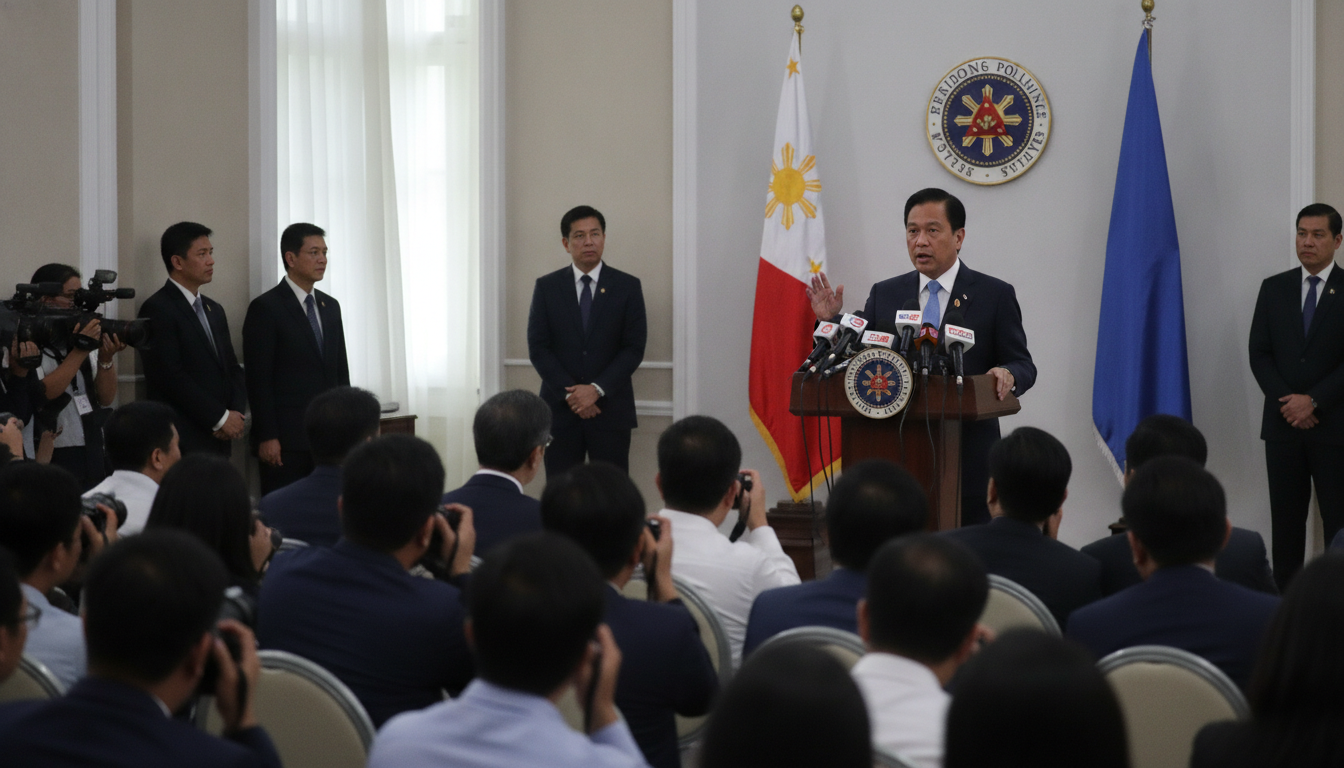
President Ferdinand Marcos Jr. outlined a fiscal package on Monday that would lift the income tax threshold by roughly 40 percent, according to officials speaking at his address to the legislature. The proposal is intended to reduce the number of taxpayers and increase disposable income for lower- and middle-income households. The administration framed the move as a priority measure to support consumption and relieve pressure on families facing higher energy and commodity costs.
Measures Targeting Small Business Relief
Alongside the income tax threshold change, the plan includes targeted relief for small and micro enterprises, such as reductions in certain compliance costs and selective exemptions from regulatory fees. The proposal aims to ease cash-flow constraints that many small firms cite as the main barrier to hiring and investment. Officials described the measures as complementary steps designed to keep firms solvent while broader reforms are considered.
Economic Context: Energy Shock and Growth Headwinds
The push for tax relief comes as the Philippine economy grapples with external shocks, notably elevated global energy prices that have filtered into domestic fuel and power costs. Higher energy bills have squeezed household budgets and raised operating costs for manufacturers, retailers and transport operators. Policymakers say the tax threshold increase is a calibrated response that seeks to bolster domestic demand without immediately resorting to larger-scale fiscal deficits.
Rising prices have also fed into headline inflation, complicating the central bank’s policy stance and narrowing the room for monetary easing. Analysts warn that while tax relief can provide near-term support to consumption, sustained growth will depend on stabilizing energy markets and restoring investor confidence through structural reforms.
Reactions from Business Groups and Political Opponents
Business associations offered a cautious welcome to measures aimed at trimming red tape and lowering costs for small enterprises, while calling for clearer implementation details. Many industry groups stressed that targeted tax relief must be paired with faster permit processing and improved infrastructure to translate into job creation. Opposition lawmakers pressed for fuller fiscal projections and urged the administration to clarify which fees would be cut and how exemptions would be administered.
Labour advocates highlighted the potential benefits for wage earners but urged complementary policies to protect workers from volatile living costs. Civil society organisations said any changes should be progressive and accompanied by safeguards for public services that rely on tax revenues.
Fiscal Impact and Revenue Considerations
Budget analysts note that a 40 percent increase in the income tax threshold would reduce collections from personal income tax, at least initially, and could widen the fiscal deficit unless offset by higher growth or spending adjustments. The administration signalled it will present revenue estimates and compensatory measures when the bill is submitted to Congress. Potential offsets discussed internally include tighter enforcement of tax compliance, targeted spending cuts, and phased implementation to allow time for adjustment.
Economists say the net fiscal effect will depend on how many taxpayers move below the new threshold and how consumption responds to higher disposable incomes. If the measure stimulates sufficient demand and investment, revenue losses could be partially recouped through broader tax bases and increased business activity.
Legislative Process and Expected Timeline
The proposal must clear several legislative stages before becoming law, beginning with draft bills and committee hearings in both houses of Congress. Lawmakers will scrutinise the fiscal estimates and may propose amendments to narrow or expand the scope of relief. Observers expect debate to intensify over the next weeks as committees invite testimony from finance officials, economists and stakeholders.
Implementation timing is likely to be phased, with transitional provisions to allow the revenue service and employers to adapt payroll systems and with periodic reviews built in to assess fiscal impact. The administration has signalled it will work with Congress to prioritise measures that can be enacted quickly to provide relief ahead of the year’s end.
President Marcos’s announcement frames the income tax threshold increase and small business relief as immediate steps to shield households and firms from current shocks while the government pursues longer-term reforms to energy security and fiscal resilience. The coming legislative deliberations will determine the exact design, timelines and trade-offs of the package, and whether it can deliver the growth boost policymakers seek.

