
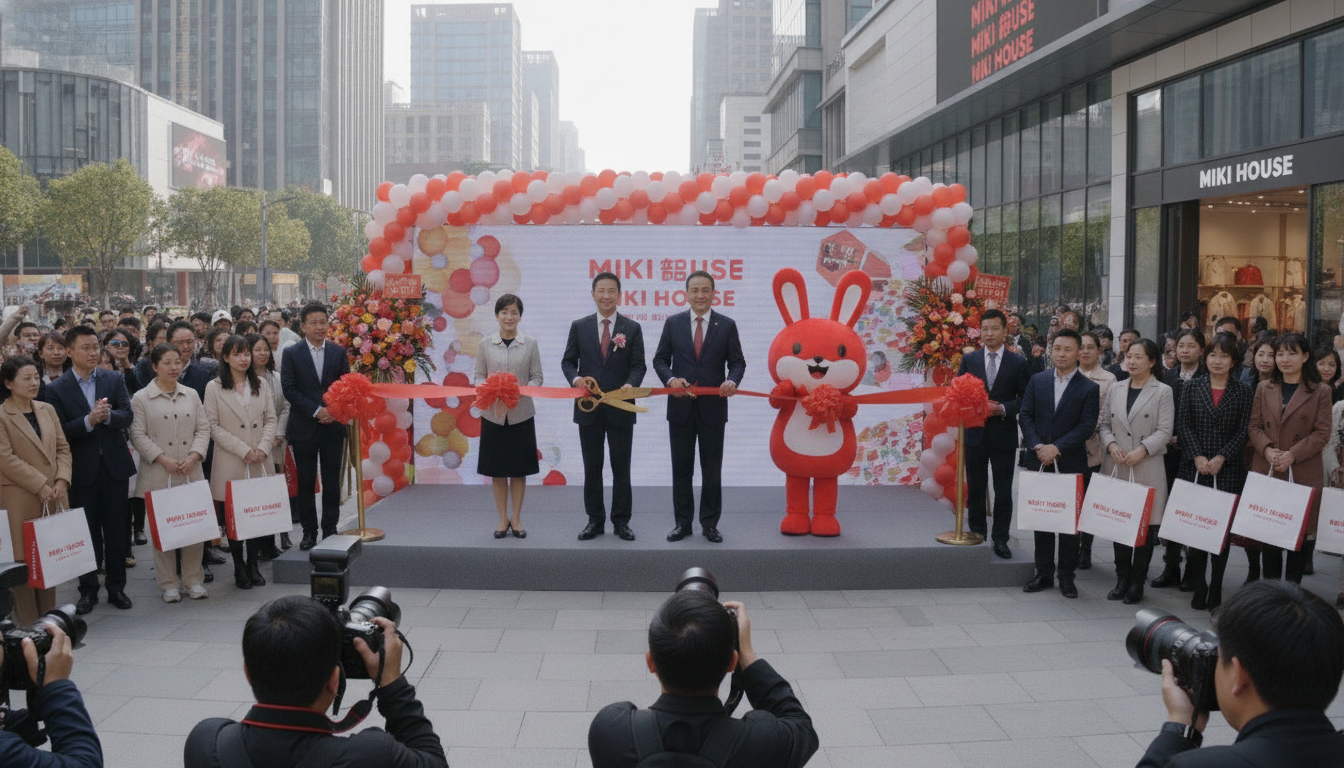
Miki House Shenzhen: Japanese children’s brand opens first directly managed store in southern China
Miki House Shenzhen opens its first directly managed southern China store in Shenzhen mall, marking an overseas push as Japan’s birth rate continues to fall.
Miki House Shenzhen opened a directly managed outlet in a major Shenzhen shopping mall on Saturday, marking the Japanese children’s apparel group’s first store in southern China. The new location is part of a deliberate overseas expansion aimed at reaching younger Chinese consumers and diversifying revenue outside Japan. Company executives described the move as a response to shifting domestic demographics and a chance to build brand presence in one of China’s most dynamic tech and retail hubs.
Store launch and location
The Shenzhen store occupies a high-traffic space within a modern mixed-use complex frequented by professionals and families. Its proximity to large technology firms and office campuses is intended to attract young parents who work locally and seek premium children’s wear options. The outlet is being run directly by Miki House rather than through a franchise partner, a choice the company says will allow tighter control over merchandising, service and brand experience.
The layout combines apparel, footwear and accessories for infants and young children, with displays designed to appeal to both caregivers and children. Visual merchandising emphasizes seasonal collections and limited-edition items, while the store team is trained to provide personalized fitting and product guidance. The company has signaled plans for in-store events and collaborations to build regular foot traffic and deepen customer relationships.
Targeting younger Chinese consumers
Miki House’s strategy in Shenzhen focuses on younger parents with rising disposable incomes and strong interest in quality and safety standards. The brand has positioned products to highlight craftsmanship, fabric quality and design that resonates with millennial and Gen Z caregivers. Local marketing will include digital campaigns and partnerships that tap into social media and parenting platforms popular among young urban families.
Staff at the new location are expected to engage in local community outreach, including parenting workshops and product demonstrations. These activities are aimed at converting initial visitors into repeat customers and establishing Miki House as a trusted name for early childhood apparel. The company views on-the-ground retail as essential to communicating product value in a market where consumers increasingly research online before purchasing.
Corporate strategy and overseas push
The Shenzhen opening forms part of a broader overseas expansion strategy that Japanese apparel firms have accelerated amid slower growth at home. Miki House executives have described international stores as a hedge against stagnant domestic demand and a channel to capture growth in populous Asian markets. Direct management of the Shenzhen outlet underscores a commitment to long-term investment in brand-building rather than short-term wholesale arrangements.
Analysts say Japanese premium children’s brands often emphasize quality and safety, traits that can command price premiums in China. The move also reflects a wider trend of Japanese firms relocating retail focus to regional urban centers where consumer spending remains resilient. Miki House has not disclosed a detailed roll-out schedule, but observers expect additional stores and localized product assortments if the Shenzhen site meets performance targets.
Demographic pressures in Japan
Miki House’s pivot overseas comes amid continuing demographic headwinds in Japan, where the birth rate has declined for years and weighed on demand for children’s products. With fewer young children in the domestic market, apparel and toy makers face shrinking natural customer bases and must seek growth through market diversification. Corporate statements linking overseas openings to demographic trends underscore the strategic importance of international sales for long-term stability.
Japan’s demographic shift has forced many family-oriented retailers to rethink product lifecycles and inventory strategies, emphasizing longevity and higher margins per item. For brands like Miki House, that recalibration involves prioritizing markets where birthrates remain higher or where urbanization and rising incomes sustain demand for branded children’s goods. Retailers are also investing in omnichannel approaches to reach diaspora communities and new parent cohorts abroad.
Competitive landscape in China
China’s children’s apparel market is competitive and varied, with domestic and international brands vying for share across price points. Miki House enters an environment where parents are increasingly brand-conscious and willing to pay for perceived quality and safety certifications. Success will depend on product relevance, pricing strategy and the ability to stand out amid heavy marketing and promotional activity by rivals.
Local supply chain efficiencies and fast-fashion competitors add pressure on established premium brands to justify higher prices through design, materials and service. At the same time, rising demand for sustainable and ethically produced goods creates opportunities for brands that can credibly claim such credentials. Observers note that physical stores that deliver experiences not replicable online can create durable customer loyalty in urban Chinese markets.
Outlook and potential next steps
The Shenzhen store will serve as a test case for Miki House’s southern China ambitions, with performance metrics likely to influence future expansion decisions. If the outlet sustains traffic and sales, the company may accelerate openings in other coastal cities and Tier-1 urban districts. Management has signaled careful monitoring of local consumer responses, pricing elasticity and the effectiveness of promotional channels.
Longer term, Miki House faces the choice of scaling through further directly managed stores or combining owned stores with selective franchise partnerships to broaden reach. The firm’s ability to adapt assortments to local tastes while maintaining its quality reputation will be central to success. Observers will watch whether this southern China push translates into a meaningful shift in the brand’s revenue mix and market positioning.
The Shenzhen opening marks a concrete step in Miki House’s strategy to balance domestic headwinds with regional growth, and the next quarters will reveal whether the approach gains traction with local families.

