
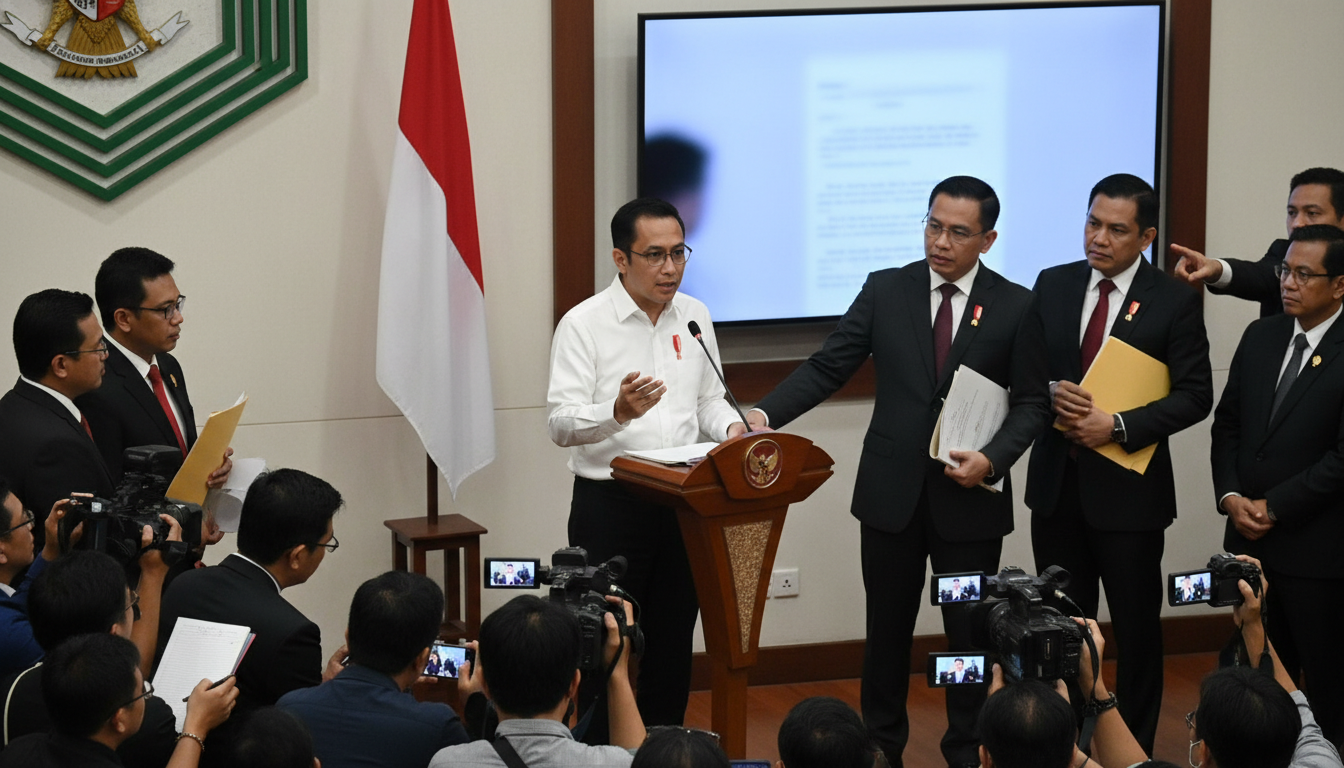
Nadiem Makarim Calls 27-Year Graft Demand a “Vendetta” as He Challenges Chromebook-Probe Links
Nadiem Makarim, former education minister and Gojek founder, on June 2 said the graft prosecution against him is a personal vendetta and an “investigation blunder” after prosecutors sought a 27-year sentence.
Defense Frames Charges as Personal Vendetta
Nadiem Makarim told a Jakarta courtroom that the case against him stemmed from political motives rather than sound evidence.
He argued prosecutors had a “poor” grasp of technology and business, which he said led them to misinterpret routine procurement decisions as criminal acts.
The former minister presented his defense statement on June 2 and disputed the core allegation that ties between a school Chromebook purchase and a technology investor were improper.
He said prosecutors had “forced” connections between the procurement and an investment by Google in Gojek, the company he founded before joining government.
Prosecutors Seek 27-Year Term and Assert Investment Link
Prosecutors have demanded a 27-year prison sentence, citing alleged graft related to the procurement of school devices.
Their case, as described in court filings and statements summarized by defense counsel, hinges on an asserted link between the Chromebook procurement and Google’s investment in Gojek.
That alleged connection is a central plank of the prosecution’s narrative, which seeks to show personal or corporate benefit flowed improperly from public contracts.
Makarim’s defense rejects that narrative, saying the claimed ties are speculative and ignore commercial realities.
Technical and Business Arguments at the Heart of the Dispute
In his courtroom remarks, Nadiem Makarim criticized investigators for lacking an informed understanding of how technology procurement and strategic investments operate.
He told judges that procurement of educational technology follows specific administrative rules and that commercial investment decisions are governed by separate market considerations.
Defense lawyers urged the court to distinguish routine vendor selection and platform choices from any intentional corrupt arrangement.
The defense emphasized expert testimony and documentary evidence to show the technical and contractual record does not support the prosecution’s conclusions.
Political Reverberations and Reactions in Indonesia
The case has reverberated beyond the courtroom, drawing attention in Jakarta’s political and business circles.
Makarim’s tenure as education minister and his earlier role founding Gojek have made him a prominent public figure, and his prosecution raises questions about accountability and the boundaries between business and government.
Supporters say the case risks chilling private-sector executives who consider public service, while critics argue it tests the judiciary’s ability to handle complex, tech-linked graft allegations.
Public commentary has highlighted both the seriousness of the charges and the technical complexity that the court must evaluate.
Implications for Tech Governance and Procurement Policy
Legal experts say the trial could set important precedents on how courts treat evidence tying corporate investments to government procurement.
If convictions rest on inferred relationships between investor activity and procurement choices, future cases may also hinge on similarly technical economic analyses.
Policy makers watching the trial have signaled a possible push for clearer procurement rules and greater transparency when technology platforms and private investors intersect with public education projects.
The outcome could influence how ministries, vendors, and global tech partners structure agreements going forward.
The trial continues in Jakarta, with the defense and prosecution set to present further evidence in the coming hearings; the court’s handling of technical testimony and documentary records will be decisive in resolving contested claims.

