
NHK Obtains Full Interrogation Footage in 2021 Tokyo Special-Unit Probe
NHK obtained full interrogation footage from a 2021 Tokyo special unit probe showing prosecutors’ alleged misconduct; the video may be replayed in a civil damages trial.
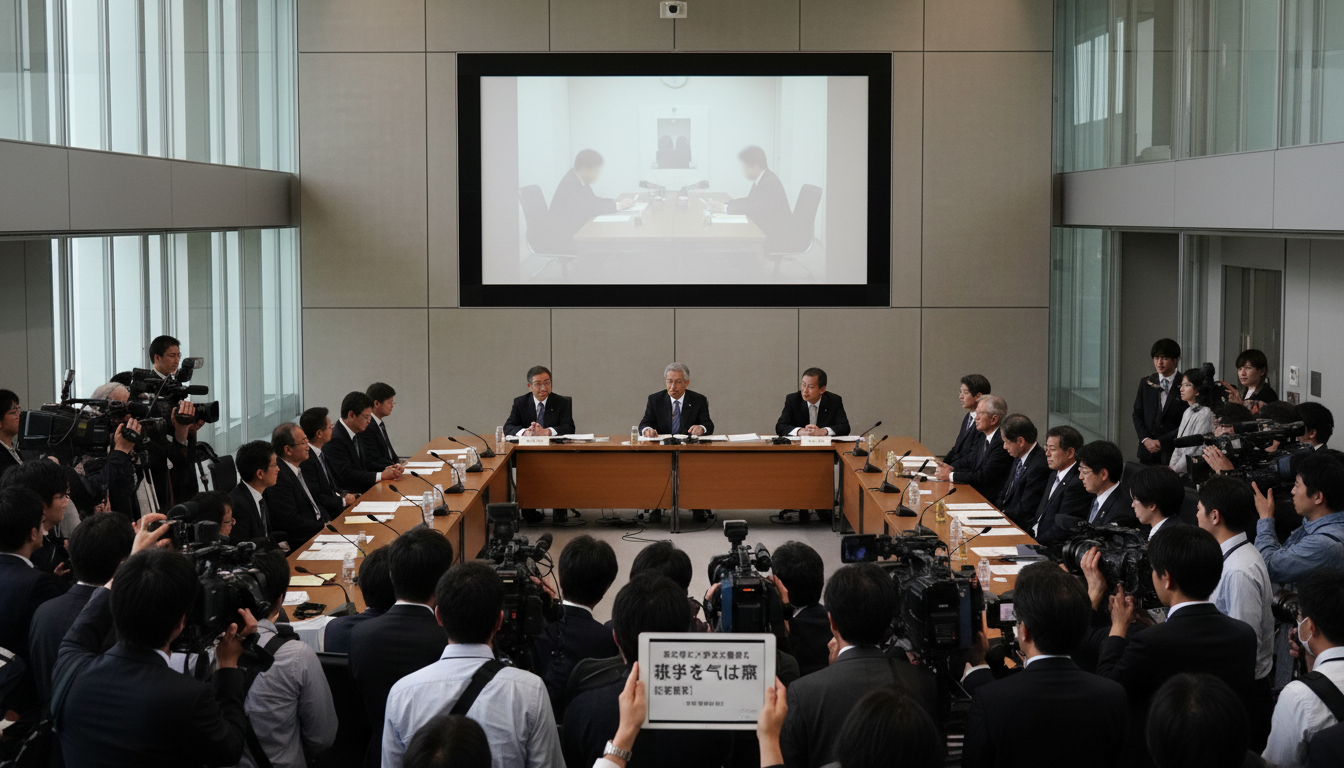
A full recording of an interrogation conducted by the Tokyo District Public Prosecutors Office’s special investigations unit in 2021 has been obtained by NHK, the broadcaster disclosed. The interrogation footage, which NHK says captures the entire process, reportedly shows a prosecutor shouting at a suspect who remained silent and asserting that “to oppose the prosecution is to be anti-social.” The Supreme Public Prosecutors Office previously determined there were inappropriate elements in the handling of the case.
Details of the NHK Recording
NHK said it received the complete recording from individuals connected to the case and reviewed the material as part of its reporting. The footage covers the interrogation from start to finish, according to NHK’s account, and includes the exchange in which a prosecutor raised the “anti-social” characterization. The broadcaster has not publicly released the full video but has informed judicial parties of its existence.
NHK’s possession of the recording has immediately elevated public interest in the case, particularly because the footage documents the conduct of prosecutors during a high-profile inquiry. Media organizations and legal observers say such uninterrupted recordings are rare and can be decisive in assessing interrogation practices.
Supreme Public Prosecutors Office Finding
The Supreme Public Prosecutors Office has already judged that the interrogation included improper elements, a conclusion that provided the initial basis for scrutiny. That internal determination acknowledged misconduct by prosecutorial staff during the questioning, though it did not in itself impose criminal sanctions. The finding has prompted calls for clearer standards and disciplinary follow-up within prosecutorial ranks.
Legal experts note that a determination of impropriety by the Supreme Public Prosecutors Office does not automatically resolve questions about the legality of the interrogation under criminal procedure law. Whether the conduct amounted to coercion or other violations likely to affect evidence admissibility remains a matter for the courts.
Civil Suit Seeks State Compensation
The president of the company at the center of the 2021 investigation has filed a civil lawsuit seeking damages from the state, alleging harm stemming from the interrogation and the surrounding investigative process. In that civil action, the plaintiff’s legal team is considering requesting the court permit playback of the NHK-obtained footage as evidence. Such a step would allow the judge and parties to view the interrogation directly rather than rely solely on transcripts or summaries.
The civil suit frames the case as a claim for redress against the government and seeks monetary compensation for reputational and business losses. How the court treats the NHK material and whether it becomes part of the trial record will be a closely watched procedural development.
Potential Legal Questions the Court Will Face
If the court allows the video to be shown, judges will confront several legal questions, including whether the interrogation’s tone and statements rendered the questioning unlawful. Courts typically examine whether statements or tactics by prosecutors coerced a suspect or otherwise infringed constitutional or statutory protections. The presence of a continuous recording could make such assessments more concrete.
Another issue for the court is the evidentiary value of the footage itself and whether its chain of custody and provenance meet legal standards. The source of NHK’s copy and any redactions or edits will likely be scrutinized by defense counsel, prosecutors, and the bench before the material is admitted.
Implications for Prosecutorial Practice and Public Trust
The emergence of a full interrogation recording in this matter has broader implications for prosecutorial transparency and public trust in the criminal justice system. Critics argue that recordings can deter abusive interrogation tactics and provide an objective record when disputes arise. Prosecutors and institutional defenders counter that recordings raise privacy concerns and may chill vigorous questioning.
Several bar associations and civil liberties groups have long advocated for routine audio-visual recording of custodial interrogations to prevent misconduct and to protect both suspects and interrogators. The NHK footage may reignite debate in Japan over whether such recordings should become standard practice in serious investigations.
What Comes Next in the Courtroom
Court schedulers and parties in the civil trial must decide whether to seek formal admission of the NHK footage and, if so, how to handle it procedurally. Pretrial motions are expected to address admissibility, authenticity, and relevance. If the judge permits viewing, the playback could influence rulings on liability and damages by providing an unvarnished window into prosecutorial behavior.
Observers say that while the civil trial will not directly overturn prosecutorial conclusions reached in 2021, it could produce a judicial pronouncement about the legality of the interrogation and set a persuasive precedent for similar claims. The outcome may also prompt internal reforms or further administrative action within the prosecution service.
The NHK-obtained interrogation footage has placed a rare and vivid piece of evidence at the center of a dispute over prosecutorial conduct, and the decision by a civil court on whether to view and evaluate that material will carry significant legal and public consequences.

