
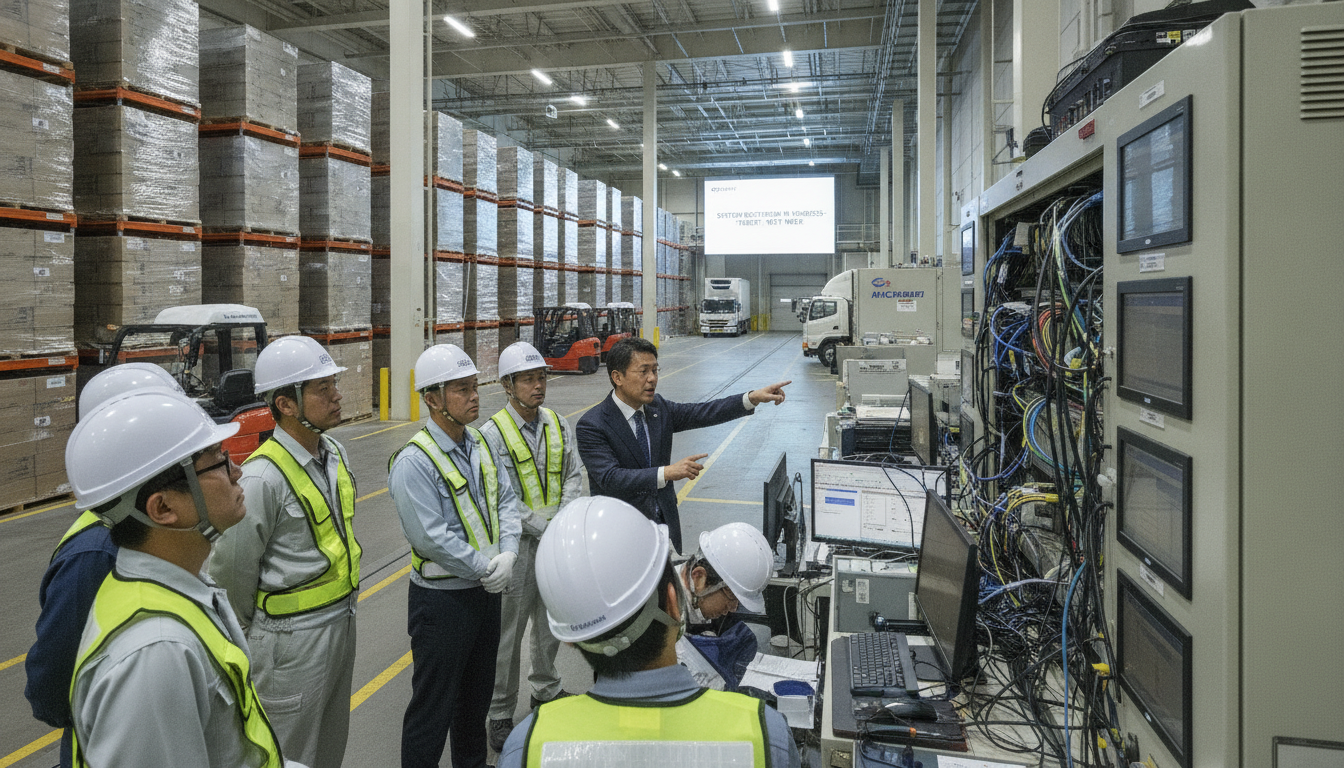
Nichirei cyberattack disrupts cold‑chain; company aims to restore operations next week
Nichirei cyberattack: Japanese frozen‑food supplier says it will restore warehouse and delivery systems as soon as the week beginning July 20, 2026, after a ransomware incident that halted distribution.
TOKYO — Nichirei, a leading Japanese supplier of frozen food and operator of extensive cold‑chain logistics, said on Friday, July 17, 2026, that it aims to return its distribution network to normal as soon as next week following a cyberattack that crippled parts of its delivery system. The statement confirmed that warehouse operations and delivery coordination were affected and that the company was mobilizing teams to accelerate recovery.
Nichirei Aims to Restore Warehouse and Delivery Systems Next Week
Nichirei disclosed that work to reinstate its cold‑chain infrastructure would proceed rapidly, with the company targeting the week beginning July 20, 2026 for a return to routine operations. The firm emphasized the priority of resuming refrigerated and frozen distribution to customers across retail and food service channels.
Management framed the recovery timetable as provisional and subject to technical verification, saying teams would continue forensic checks before declaring systems fully secure and fully operational. The company did not provide a detailed breakdown of which facilities were affected or the scope of data systems taken offline.
Distribution Systems and Warehouse Operations Hit by Attack
The incident disrupted coordination between Nichirei’s warehouses and delivery fleets, a critical link in cold‑chain logistics that relies on real‑time scheduling and temperature monitoring. Interruptions to those digital systems can slow or reroute shipments, complicating deliveries of perishable goods.
Nichirei’s statement indicated that some automated processes had been suspended while IT staff worked on containment and recovery. The firm stressed it was prioritizing the integrity of refrigeration and storage environments to avoid product spoilage during the outage.
Potential Impact on Supermarkets and Food Service
Retailers and restaurant operators that depend on Nichirei for frozen and chilled products faced the prospect of delayed deliveries and temporary stock shortages if normal flows were not restored quickly. Supply chains for ingredients and pre‑prepared items are tightly scheduled, and even short interruptions can force last‑minute substitutions or menu adjustments.
Industry buyers said contingency plans typically include tapping alternative suppliers and using inventory buffers where available, but the capacity of rival cold‑chain providers is limited during peak summer demand. Food‑safety regulations and the need to maintain uninterrupted refrigeration add pressure on buyers to secure timely solutions.
Company Response and Contingency Measures
Nichirei reported mobilizing internal IT teams and external specialists to isolate affected systems and recover critical functions. The company said it was coordinating with customers to prioritize deliveries for high‑risk inventory, though it did not detail specific contingency routes or partners.
Executives indicated manual processes had been enacted in some locations to preserve cold‑storage integrity and to maintain essential dispatches while automated systems were restored. Nichirei also said it was assessing the need for additional communications with clients and supply‑chain partners to manage expectations and reduce disruption.
Cybersecurity Risks in Cold‑Chain Logistics
The attack underscores how cyber incidents can cascade through logistics networks, where digital control systems intersect with temperature‑sensitive physical assets. Cold‑chain operators increasingly rely on interconnected software for routing, inventory control, and environmental monitoring, creating new entry points for attackers.
Security experts say the risk to perishable supply chains is rising as logistics firms adopt advanced automation and remote monitoring. Strengthening network segmentation, regular backups, and rapid incident response protocols are widely recommended to limit the operational and financial fallout of such breaches.
Industry and Government Scrutiny Expected
High‑profile disruptions to food logistics typically prompt scrutiny from industry groups and regulators focused on continuity and consumer protection. Observers expect inquiries into the incident’s cause, the adequacy of Nichirei’s cyberdefenses, and whether broader systemic vulnerabilities need to be addressed.
Companies that supply critical infrastructure may face pressure to publish more detailed resilience plans and to coordinate with public authorities on information‑sharing and crisis management. For now, industry stakeholders are watching recovery efforts closely to gauge how quickly normal distribution can resume.
Nichirei’s announcement that it expects to restore normal operations in the week beginning July 20, 2026 offers an initial timetable, but the company and its customers will need to verify system integrity before recovery can be declared complete. The coming days will be decisive for inventory preservation and for re‑establishing confidence in one of Japan’s largest cold‑chain operators.

