
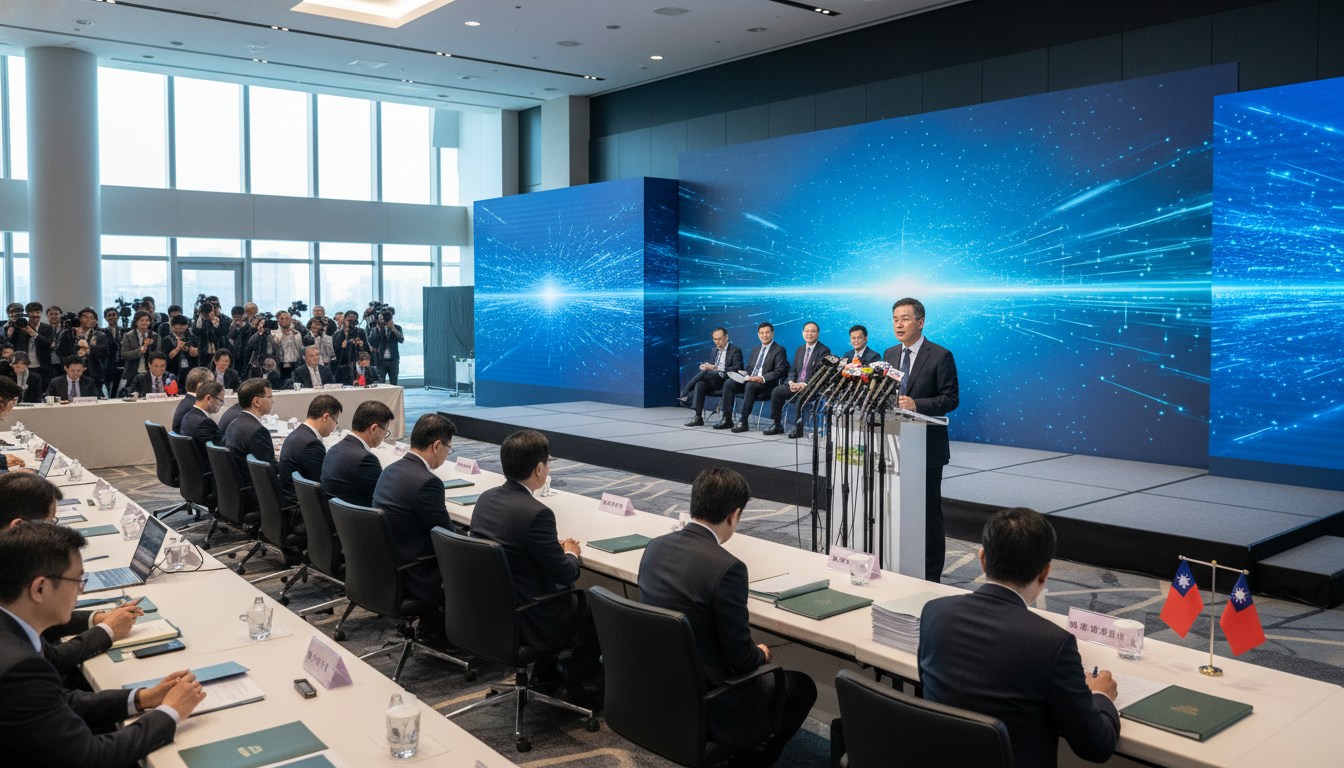
Nvidia in Taiwan: Huang Pledges Up to $150 Billion Annual Supply-Chain Spend, Plans 4,000 Local Staff
Nvidia in Taiwan drew renewed attention after CEO Jensen Huang announced on May 27 that the company will spend up to $150 billion annually with Taiwanese supply-chain partners and expand its local workforce to 4,000 employees.
Huang’s Taipei Visit and Announcement
Jensen Huang visited Taipei on May 27 and used the trip to lay out an ambitious expansion of Nvidia’s presence in Taiwan. He described Taiwan as the "epicenter of the AI revolution" and framed the increased spending and hiring as strategic investments in the company’s global AI supply chain.
During briefings with partners and local stakeholders, Huang emphasized that the commitments are meant to deepen technical collaboration and secure long-term capacity for advanced chips and related components. The visit combined public remarks with private meetings across the semiconductor and systems ecosystem.
Scale of the Supply-Chain Commitment
Nvidia’s pledge to direct up to $150 billion a year to Taiwanese suppliers represents a significant boost in commercial ties between the U.S.-based chip designer and Taiwan’s manufacturing base. The figure covers purchases across fabs, packaging, test services, and systems assembly that underpin Nvidia’s AI accelerators.
Company officials said the spending will be channeled through existing and new suppliers to help scale production of GPUs and AI infrastructure components. Executives framed the investment as part of a wider strategy to ensure supply resilience amid intense global demand for AI hardware.
Jobs and Local Expansion Plans
The company announced plans to grow its Taiwan headcount to about 4,000 employees, expanding beyond sales and customer support into engineering, research and development, and system integration roles. Nvidia said the hires will focus on design, software optimization for local hardware, and closer collaboration with manufacturers and foundries.
Officials indicated the ramp-up will occur over multiple years as projects move from planning to production and as training partnerships with local institutions are established. The expanded footprint is intended to strengthen on-the-ground coordination with Taiwanese partners that produce critical components for AI servers.
Taiwan’s Role in the AI Supply Chain
Taiwan hosts a concentrated cluster of semiconductor fabrication, advanced packaging and testing capabilities that are central to the production of high-performance AI chips. Industry observers note that close cooperation between chip designers and Taiwanese manufacturers has been a defining feature of the global electronics supply chain for decades.
Nvidia’s announcement underscores the island’s role in meeting surging demand for accelerators used in data centres, cloud services and edge computing. Companies across the AI ecosystem increasingly rely on Taiwan’s specialist capabilities to translate designs into mass-produced silicon and integrated systems.
Industry and Government Reactions
Business groups and industry executives in Taiwan responded to the announcement by highlighting the potential economic benefits, including stronger order books for foundries and suppliers. Several local suppliers view the commitment as an opportunity to expand capacity and deepen engineering ties with a leading AI vendor.
Taiwanese government officials have previously signalled support for measures that attract high-value technology investment and preserve the island’s industrial advantages. Analysts say such large-scale commercial commitments can also influence policy priorities around talent development, infrastructure and supply-chain security.
Geopolitical and Market Implications
The scale of Nvidia’s commitments comes amid heightened global attention to semiconductor supply chains and the strategic importance of Taiwan’s industrial base. Industry analysts caution that close engagement with Taiwanese suppliers must be balanced against geopolitical risks and the need for diversified supply sources.
From a market perspective, a sustained increase in procurement and local staffing could accelerate production timelines for next-generation AI accelerators and reduce bottlenecks in the near term. Companies and governments will monitor how quickly capital spending translates into additional wafer, package and system output.
Nvidia in Taiwan has moved from occasional supplier engagement to explicit, large-scale commitments, signaling a deeper integration of the company’s manufacturing and engineering footprint with the island’s industry. The investments and hiring plans announced on May 27 are likely to shape supply-chain dynamics and industrial policy conversations across the region in the months and years ahead.

