
Japan-India joint statement linking Pakistan to cross-border terrorism raises alarm in Islamabad
Japan-India joint statement prompts Pakistani protests and warnings that the language linking Pakistan to cross-border terrorism could strain Tokyo-Islamabad ties and regional stability.
A Japan-India joint statement issued after Japanese Prime Minister Sanae Takaichi’s meeting with Indian Prime Minister Narendra Modi in New Delhi earlier this month has prompted sharp concern in Islamabad. Pakistani officials and security analysts described the document’s explicit linkage of Pakistan to cross-border terrorism as alarming, saying it could complicate diplomatic relations between Japan and Pakistan.
Pakistani officials register formal concern
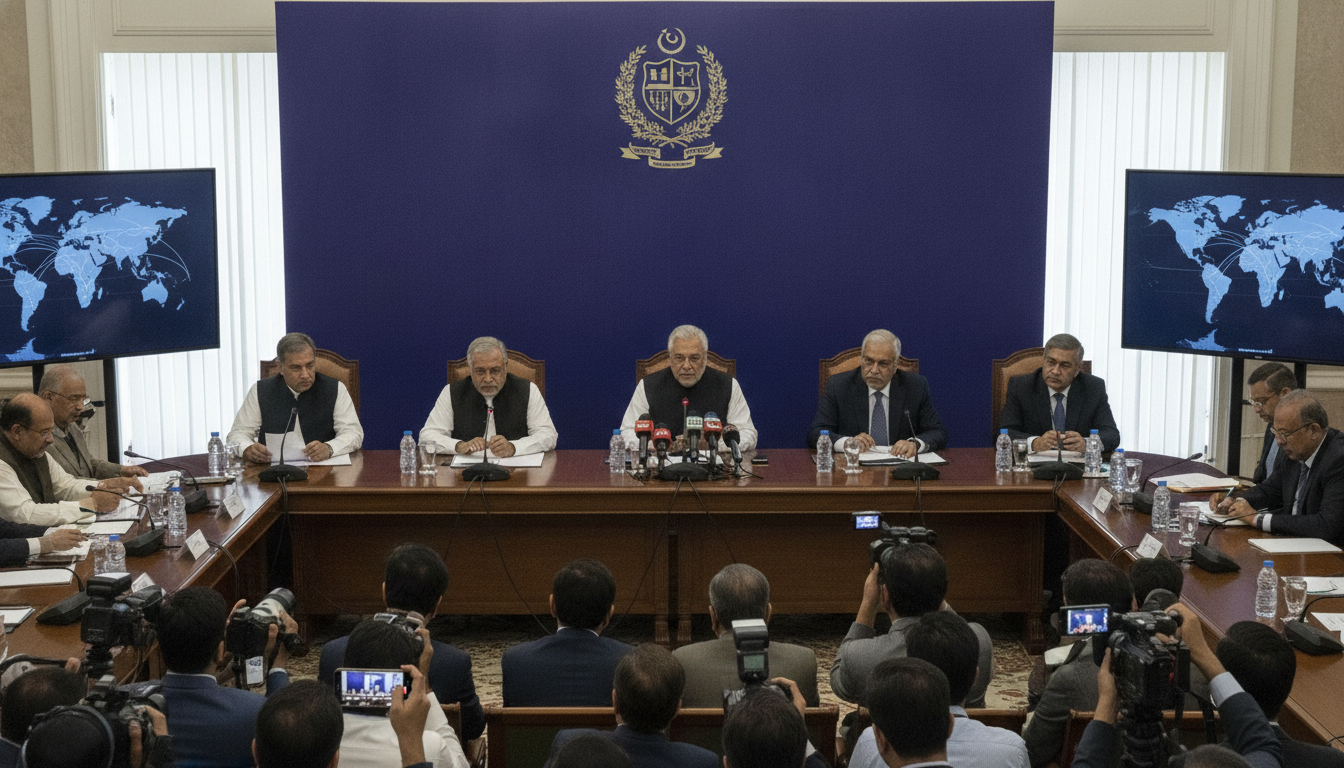
Pakistani government sources said the wording of the Japan-India joint statement was unexpected and would require diplomatic clarification. Officials voiced concern that the declaration singled out Pakistan in a regional security context without direct consultation with Islamabad.
Analysts in Islamabad warned the language could feed domestic political narratives and raise tensions with India at a time when regional dialogue remains fragile. Several commentators noted that Japan’s growing strategic alignment with India is being closely watched in Pakistan.
Contents of the Japan-India joint statement
The joint statement, released following the Tokyo-Delhi summit, contained language linking cross-border terrorism to state and non-state actors in the region. It reiterated commitments by Japan and India to pursue counterterrorism cooperation and to address threats that cross international boundaries.
While the document did not specify punitive measures, its attribution of responsibility to actors operating from Pakistani territory was the principal cause of Islamabad’s reaction. Diplomats said the text reflected a stronger public alignment between Tokyo and New Delhi on security matters.
Diplomatic reactions and requests for clarification
Islamabad’s immediate reaction combined public statements from government spokespeople with private diplomatic inquiries, according to sources familiar with the exchanges. Pakistani officials signalled they would seek clarification from Tokyo on the basis and intent of the language used in the joint communiqué.
Embassies and foreign ministry officials in each capital were reported to be in contact as Pakistan weighed its formal response. Observers said Islamabad will likely pursue a measured diplomatic approach to avoid an escalation while protecting its international standing.
Tokyo’s balancing act with India and Pakistan
Japan has in recent years deepened strategic and economic ties with India, a relationship framed by Tokyo as part of wider Indo-Pacific cooperation. Officials in Tokyo face the challenge of maintaining those ties while managing relationships with other regional partners, including Pakistan.
Japanese diplomacy often emphasizes multilateral engagement and economic cooperation, but observers note that security agendas have become more prominent. Analysts said Tokyo’s explicit mention of cross-border terrorism alongside India signals a recalibration of its regional posture that may have unintended diplomatic consequences.
Regional security implications and international concern
Security experts cautioned that public attributions of cross-border terrorism to a specific state can harden positions and complicate efforts at mediation. Such statements risk limiting the space for back-channel dialogue and confidence-building measures between India and Pakistan.
Regional partners and international organisations monitoring South Asia may now face pressure to address the fallout. Experts suggested that constructive steps would include expedited diplomatic clarification, renewed emphasis on evidence-based cooperation against terrorism, and support for dialogue mechanisms to prevent miscalculation.
Trade and development ties at potential risk
Beyond strategic and security dimensions, officials pointed to possible secondary effects on trade and development cooperation. Japan is a significant economic partner for several countries in the region, and a deterioration in bilateral relations could affect ongoing projects and investment planning.
Pakistani business groups urged calm and called for diplomatic solutions to prevent political friction from spilling over into economic relations. Analysts noted that Japan’s investments and official development assistance are closely tied to perceptions of political stability and predictability.
The government in Islamabad has indicated it will engage diplomatic channels in Tokyo to seek clarity and, if necessary, register formal concerns. Observers say the unfolding exchanges will be watched closely across South Asia and by countries with strategic interests in the Indo-Pacific.

