
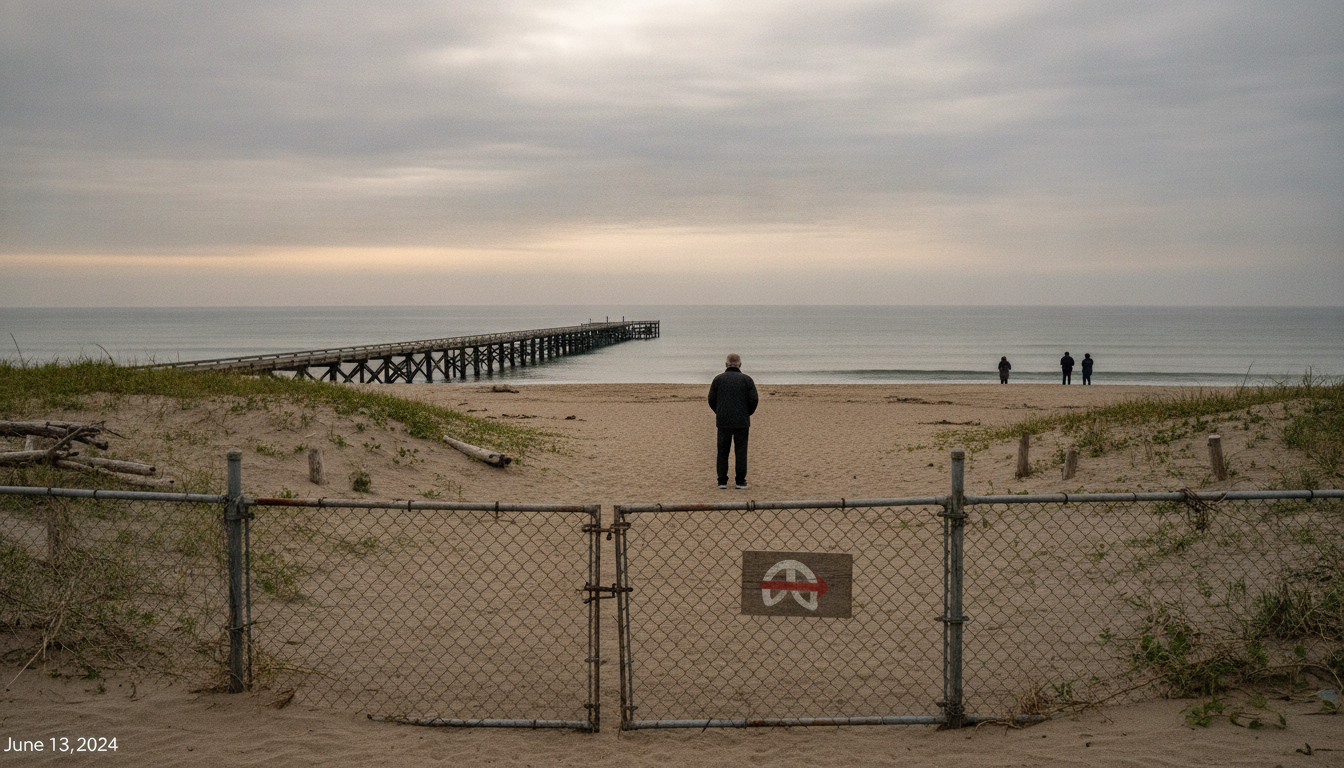
Historic Shimotsu Beach in Ibaraki to Close This Summer as Visitors Decline
Shimotsu Beach in Kashima, Ibaraki — a seaside bathing spot with more than 120 years of history — will not open in summer 2026 as visitor numbers fall amid changing leisure habits and growing heat-safety concerns.
Shimotsu Beach, a popular seaside bathing site about a 90-minute drive from Tokyo, is scheduled to be closed for the 2026 season, marking the end of more than a century of continuous operation since the Meiji era. The announcement reflects a steady drop in visitors driven by diversified leisure options and heightened public caution about heatstroke risks. For families and youth who once filled the shoreline, the loss signals a broader shift in how communities around Kashima, Ibaraki, engage with the sea.
Historic Shoreline to Pause Public Swimming in 2026
Shimotsu Beach has served local residents and day-trippers for well over a century, its history stretching back to the Meiji period. Municipal authorities and community groups confirmed that the beach will not be operated as a public bathing site during the summer of 2026. The closure leaves a long-standing cultural and recreational fixture temporarily disappearing from the regional map.
Visitor Decline Traced to Leisure Changes and Heat Warnings
Local officials and business owners point to a combination of factors behind shrinking attendance, including a wider array of leisure choices and increasing awareness of heat-related illness. Summer safety advisories and rising temperatures in recent years have discouraged many families from spending long hours on exposed beaches. The result has been fewer lifeguards on duty, reduced concessions, and a quieter coastline than in decades past.
Volunteer Lifeguards Continue Year-Round Work
Despite the planned closure, volunteer lifeguards from the NPO Kashima Lifeguard Team say they will continue regular patrols and training. The organization, active in Shimotsu and neighboring Hirai beaches for more than 30 years, fields about 30 student members from several universities during the season. Members emphasize that their work extends beyond summer: they train year-round to understand local currents and wave patterns and to maintain rescue readiness.
Local Youth Emphasize Deep Personal Ties to the Beach
Young lifeguards describe Shimotsu as more than a workplace — for many it is a formative place where skills and community bonds are built. Sumire Furusawa, a 21-year-old third-year student at Waseda University, says she spends significant time at Shimotsu between her studies and values the beach as her "home beach." She credits the shore’s changing conditions and the autonomy of student-led lifeguarding for shaping her sense of responsibility and physical training.
Economic and Cultural Impact Felt Across Kashima
The seasonal shutdown is expected to ripple through Kashima’s small businesses that rely on beach visitors, including eateries, rental shops, and accommodation providers. Residents warn that the loss of a public bathing season could also erode traditions tied to summer gatherings and seaside festivals. For municipal planners, the challenge will be balancing public safety and fiscal reality with efforts to sustain a coastal identity.
Sea Conditions and Safety Training Highlighted by Lifeguards
Shimotsu’s coastal character sets it apart from many calmer bathing areas; lifeguards note that waves can become unexpectedly high and powerful. Volunteers describe training that builds endurance against waves sometimes taller than a person, as well as community outreach to educate visitors about local hazards. Those skills, they argue, are part of a living maritime culture that may be harder to pass on without active beach seasons.
Local voices gathered at the shoreline this month reflected a mix of resignation and determination. Longtime residents recalled summers when the beach teemed with families and young people, while current volunteers vowed to keep the memory and expertise alive. Photographs from early July captured volunteers and residents standing on the sands, underscoring both the beauty of the coast and the uncertainty ahead.
For a coastal city that has long defined part of its identity by the rhythm of summer bathing, Shimotsu’s closure this summer raises questions about how seaside communities adapt. Whether the beach will reopen in future seasons will depend on shifts in public behavior, municipal decisions, and potential plans to address health and safety concerns while preserving local livelihoods and maritime knowledge.

