
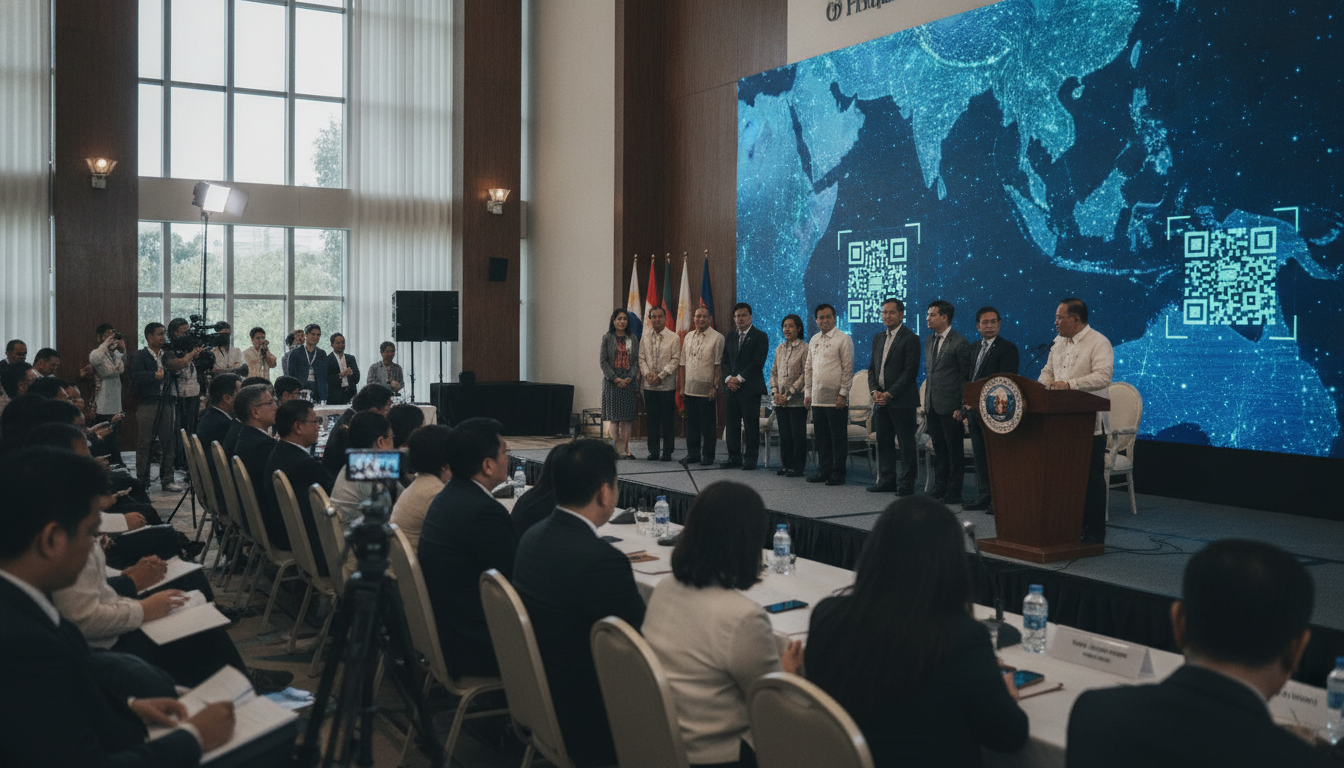
Philippines’ QR Ph Pushes Digital Payments to Two-Thirds of Retail Transactions in 2025
QR Ph adoption helped digital channels reach nearly two-thirds of Philippine retail transactions in 2025, driven by GCash, Maya and policy support today.
The Philippines recorded a sharp rise in cashless activity in 2025 as the national QR Ph standard and expanding digital wallets transformed everyday retail payments. Digital channels accounted for nearly two-thirds of all retail transactions last year, a milestone that signals faster consumer acceptance of electronic payments across urban and rural areas. Industry sources credit the combined effect of interoperable QR standards, growing mobile wallet penetration and targeted policy measures for the acceleration.
Digital transactions reach two-thirds of retail in 2025
Digital payments’ share of retail expanded rapidly in 2025, eclipsing previous estimates and narrowing the gap with regional leaders. Analysts say the growth was broad-based, spanning convenience stores, sari-sari shops and larger retail chains that adopted QR Ph for customer-facing checkout. The scale of adoption surprised some market watchers, who had expected slower migration from cash in lower-income and provincial markets.
Consumer behavior changed as merchants increasingly accepted quick-response codes and consumers grew comfortable with mobile wallets. The convenience of scanning a single QR code and the ability to transfer funds instantly cut transaction time at point of sale. That shift has also reduced reliance on change in cash-heavy stores and improved traceability for small businesses.
National QR standard narrows gap with regional pioneers
The rollout of a unified QR standard under QR Ph tightened interoperability among banks and e-wallets, removing a major friction point for users. Before standardization, consumers often faced multiple QR systems that were incompatible, discouraging widespread merchant acceptance. QR Ph created a common technical and commercial framework so a single scan could complete payments across providers.
Interoperability also lowered costs for merchants who no longer needed several point-of-sale systems to accept different QR codes. Payment service providers responded by simplifying merchant onboarding and integrating QR Ph into existing applications. The result has been a faster path to ubiquity for contactless payments across diverse retail formats.
Role of digital wallets and banks in scaling acceptance
Major mobile wallets such as GCash and Maya played leading roles in pushing QR Ph adoption by offering consumer incentives and merchant discounts. These platforms leveraged their large user bases to drive frequent usage and familiarize households with mobile-based transactions. Banks and fintechs complemented that effort by enabling seamless bank-to-wallet transfers and by supporting merchants with settlement and reconciliation tools.
Financial institutions also invested in merchant education, helping small retailers understand transaction fees and how to reconcile daily sales. As settlement times shortened and reconciliation improved, more businesses viewed QR payments as reliable and cost-effective. The private-sector push was essential to translating strong consumer uptake into durable, system-wide change.
Policy and infrastructure support underpinned growth
Regulatory encouragement and targeted policy measures provided the scaffolding for QR Ph to scale quickly. Regulators prioritized interoperability and consumer protection while encouraging banks and fintechs to expand digital payment rails. Investments in telecommunications and point-of-sale infrastructure helped bring QR acceptance to neighborhoods that had previously been cash-dominant.
Public initiatives to promote digital literacy and fraud prevention also helped build consumer confidence in cashless channels. By addressing regulatory, technical and educational barriers in parallel, policymakers reduced the time between pilot programs and mass adoption. The coordinated public-private approach proved pivotal in moving the country closer to Southeast Asia’s cashless-payment leaders.
Persistent challenges in financial inclusion and rural rollout
Despite rapid gains, challenges remain in extending cashless adoption uniformly across the country. Rural areas still lag urban centers due to limited internet coverage, lower smartphone ownership and occasional concerns about payment reliability. Older citizens and segments of the population with limited digital literacy require continued outreach and simplified user interfaces.
Merchants also flagged issues with settlement costs and the need for lower-cost terminals for microbusinesses. Cybersecurity risks and fraud prevention must be managed as transaction volumes rise, and authorities will need to balance innovation with consumer safeguards. Addressing these gaps will determine whether the gains seen in 2025 translate into long-term financial inclusion.
The rapid expansion of QR Ph and mobile wallets has already reshaped how Filipinos pay for goods and services, but maintaining momentum will require continued collaboration across regulators, banks, fintechs and telcos. Successful next steps will focus on extending connectivity, lowering merchant costs, and building user trust so that the shift to cashless payments becomes both deeper and more equitable.

