
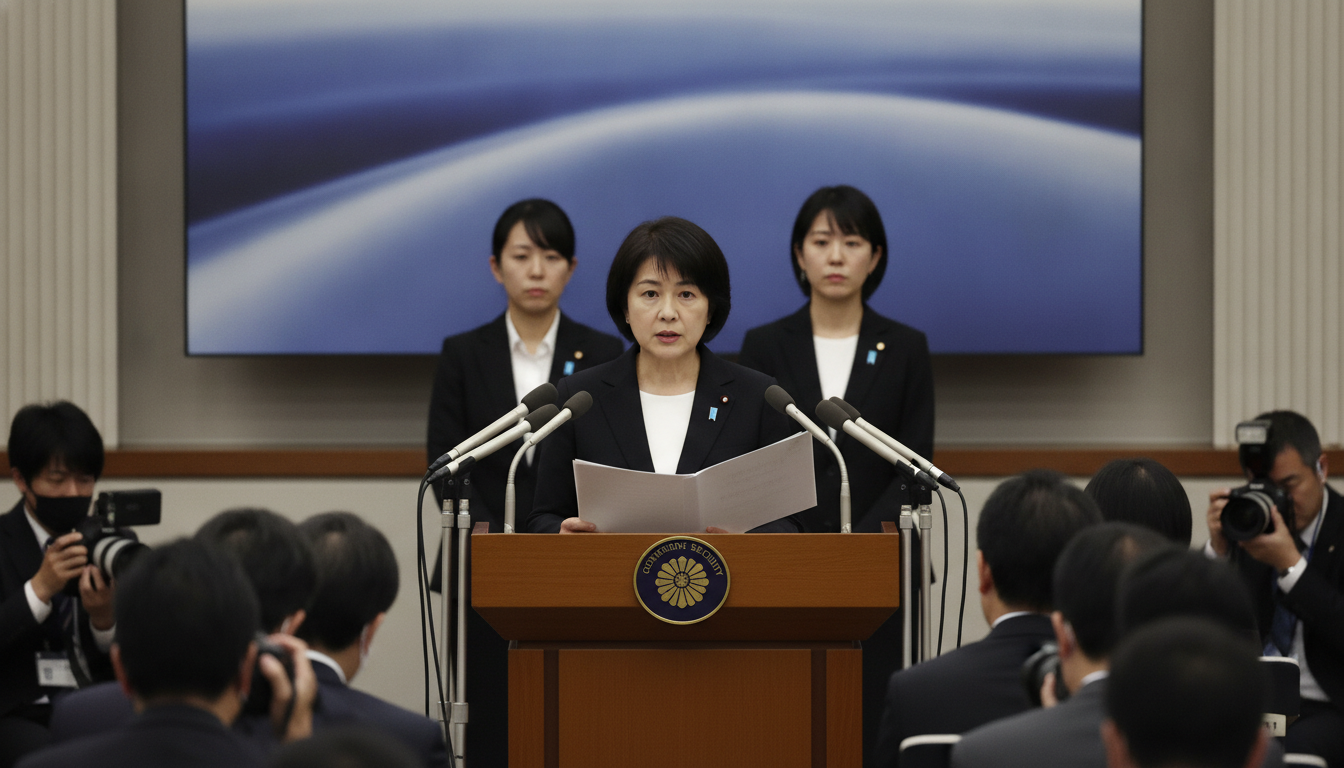
Takaichi to submit secretary’s statement to Budget Committee amid slander video reports
Takaichi will submit a secretary’s statement to the Diet over reports her aide helped post slanderous videos and links to ‘SANAE TOKEN’ amid protests.
Prime Minister Sanae Takaichi announced on June 22, 2026, that she will file a written secretary’s statement with the Budget Committee’s steering council in response to media reports that a government aide was involved in posting videos that defamed other candidates. The move, which includes submitting a proposal document from a company linked to the cryptocurrency "SANAE TOKEN," replaces an immediate oral reply in committee. Opposition lawmakers immediately criticized the decision as an attempt to avoid in‑session questioning.
Takaichi’s planned submission and its contents
The prime minister said she will provide a sworn-style statement from her public secretary that details the aide’s account of the reported social media activity and any contacts related to the alleged cryptocurrency proposal. She told the committee the documents would include a proposal she said was received from a firm associated with the SANAE TOKEN project. Takaichi requested that the Budget Committee’s steering council accept those papers and treat their filing as her formal answer to the questions raised in the session.
Opposition accuses government of evasion
Members of opposition parties reacted sharply, saying the late delivery of written material was effectively a means to "quash" live questioning and to deny lawmakers the opportunity for follow-up scrutiny. Lawmakers argued that presenting a document at a later date short‑circuits parliamentary accountability and undermines the committee’s deliberative role. Some opposition figures demanded the prime minister appear again in the committee for an immediate, on-the-record oral explanation.
Allegations over video production and SANAE TOKEN links
Questions that prompted the exchange focused on reporting that a man involved with producing the videos and with development of the SANAE TOKEN had communicated via LINE with the prime minister’s aide. Lawmakers asked whether the secretary in question exchanged messages and whether any party involved in the token project offered financial or technical proposals. Takaichi’s office did not deny the existence of documents but framed the response as requiring formal submission, rather than an impromptu committee answer.
Takaichi’s account of how answers were prepared
In defending the handling of prior committee rounds, Takaichi said she had routinely relied on responses provided by staff late at night after reviewing specified magazine articles requested by questioners. She described repeatedly calling a secretary who was often asleep between the late night and early morning hours to obtain answers, and then delivering those answers in the committee. The prime minister also complained that selective reporting and clipped excerpts of coverage had obscured the broader context and made it harder to secure uninterrupted working time for official duties.
Parliamentary procedure and next steps
Under Diet rules, submission of documents to a committee’s steering council is an accepted method of record‑keeping, but it does not substitute for live testimony or further questioning if members demand it. The steering council must decide whether to accept the document as a formal answer and whether additional inquiry or an oral session will be scheduled. Opposition members signaled they will push the council to require the prime minister or the secretary to appear for direct questioning, setting up a potential procedural clash in the coming days.
Potential political and legal ramifications
Beyond procedural debate, the matter raises questions about the responsibilities of political aides and the transparency of campaign‑related communications and fundraising, particularly where digital tokens and social media are involved. If investigators find evidence of coordinated defamation or undisclosed transfers linked to campaign activity, it could prompt both administrative and criminal inquiries. Legal specialists note that any formal allegation involving a government official would likely trigger careful review by prosecutors and ethics bodies, though they cautioned that reports alone do not establish wrongdoing.
The next moves for the Diet will hinge on the steering council’s assessment and any decisions by opposition parties to escalate demands for immediate oral testimony. The documents Takaichi proposes to file will be scrutinized for detail and timing, and they may determine whether the controversy remains a committee dispute or evolves into a broader parliamentary or legal probe.

