
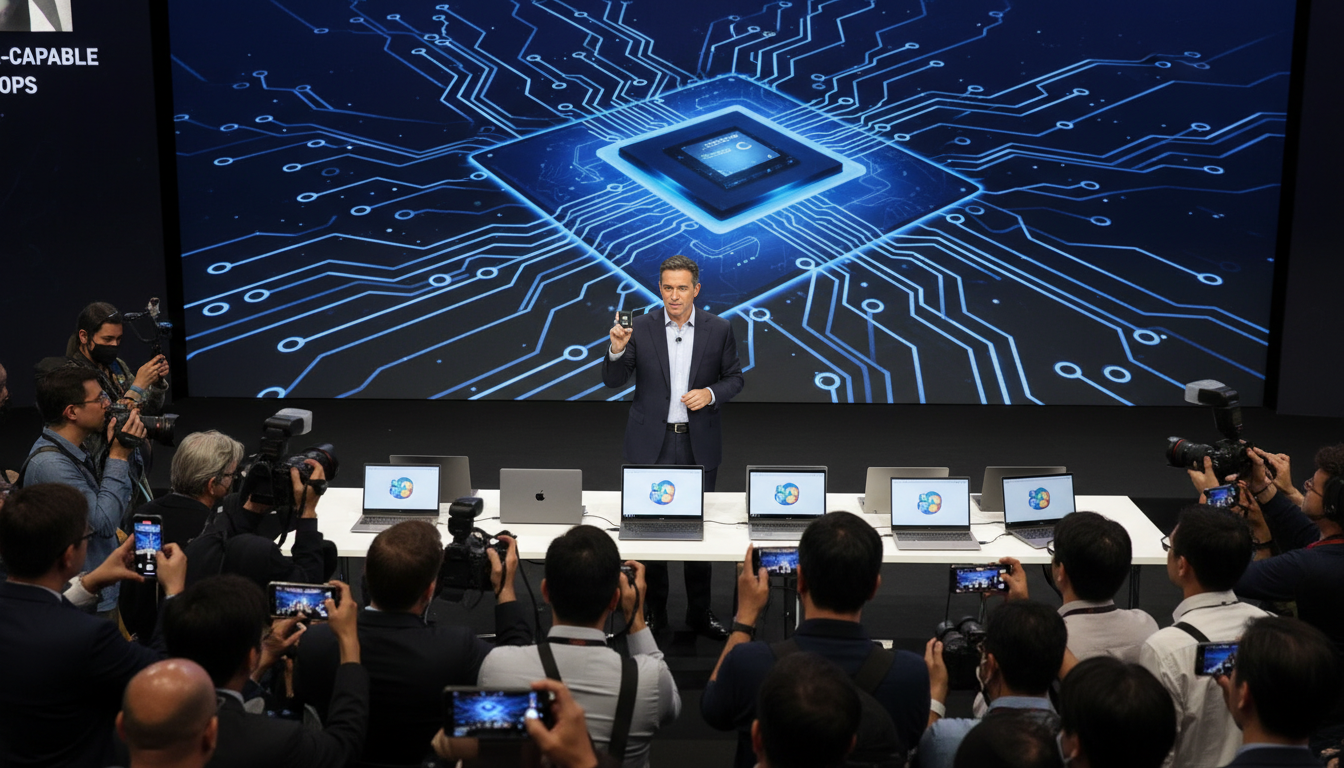
Qualcomm Snapdragon C Platform Targets $300 Budget Laptops
Qualcomm launches the Snapdragon C Platform aimed at $300 entry-level laptops, with Acer, HP and Lenovo partnering amid globally rising CPU and memory prices.
Qualcomm on Wednesday unveiled the Snapdragon C Platform, its first chip family designed specifically for affordable Windows and Chrome laptops, company sources said. The Qualcomm Snapdragon C Platform is aimed at entry-level machines priced around $300, a strategic push as component costs for CPUs and memory climb worldwide. PC makers including Acer, HP and Lenovo have agreed to adopt the chips, signaling a coordinated effort to preserve low-cost device segments.
Qualcomm positions Snapdragon C Platform for low-cost PCs
Qualcomm framed the Snapdragon C Platform as a purpose-built solution for basic productivity, education and light AI tasks on budget hardware. The company said the new chips prioritize power efficiency and integrated connectivity to extend battery life while keeping bill-of-materials costs down. By targeting the sub-$350 price bands, Qualcomm aims to capture demand from cost-sensitive buyers and institutional purchasers.
Acer, HP and Lenovo commit to Snapdragon C devices
Major original equipment manufacturers have signed on to build laptops powered by Qualcomm’s new platform, industry contacts confirmed. Acer, HP and Lenovo view the Snapdragon C option as a way to maintain competitive entry-level SKUs without absorbing the full impact of higher silicon and memory prices. The partnership gives Qualcomm immediate scale and a path to retail shelves in multiple markets, from education procurement to emerging-economy retail.
Technical features and target pricing explained
The Snapdragon C Platform integrates Arm-based CPU cores with on-chip graphics, modem options and dedicated AI acceleration tuned for lightweight models. Qualcomm is positioning the silicon to deliver acceptable web browsing, videoconferencing and office-suite performance at lower manufacturing cost than many x86 alternatives. The company has indicated target retail pricing near $300 for base models, a threshold chosen by manufacturers to preserve high-volume demand.
Supply-chain pressures that prompted the launch
A sharp rise in prices for central processing units and memory modules over the past year has squeezed margins for low-cost laptops. Manufacturers have faced tighter inventories and higher component bills, prompting moves to alternative chip architectures and vertically integrated platforms. Qualcomm’s drive into budget PCs comes as vendors seek to rebalance product portfolios and protect price-sensitive entry points that feed upgrade cycles.
How Snapdragon C chips fit into the competitive landscape
The Snapdragon C Platform introduces another option amid a crowded field of processors for low-cost notebooks, competing with incumbent x86 designs and other Arm-based entrants. Its integrated connectivity and power-efficiency advantages are pitched against traditional laptop CPUs that tend to increase BOM costs. Hardware partners will weigh performance-per-dollar and software compatibility as they position Snapdragon C models alongside established product lines.
Potential impact on education and emerging markets
Affordable laptops are a critical segment for education buyers and consumers in emerging economies, where a $300 device can determine digital access for students and first-time buyers. Qualcomm’s entry could ease price pressure and support bundled connectivity plans or longer battery life for classroom use. If the platform scales, it may also influence how software vendors optimize applications for lower-power Arm-based hardware.
Qualcomm’s Snapdragon C Platform represents a calculated move to shore up budget laptop supply amid rising component costs, giving major OEMs a new tool to sustain low-price models. The extent to which consumers and institutional buyers accept Arm-based alternatives will depend on real-world performance, software compatibility and the ability of partners to deliver attractive devices at the promised $300 price point.

