
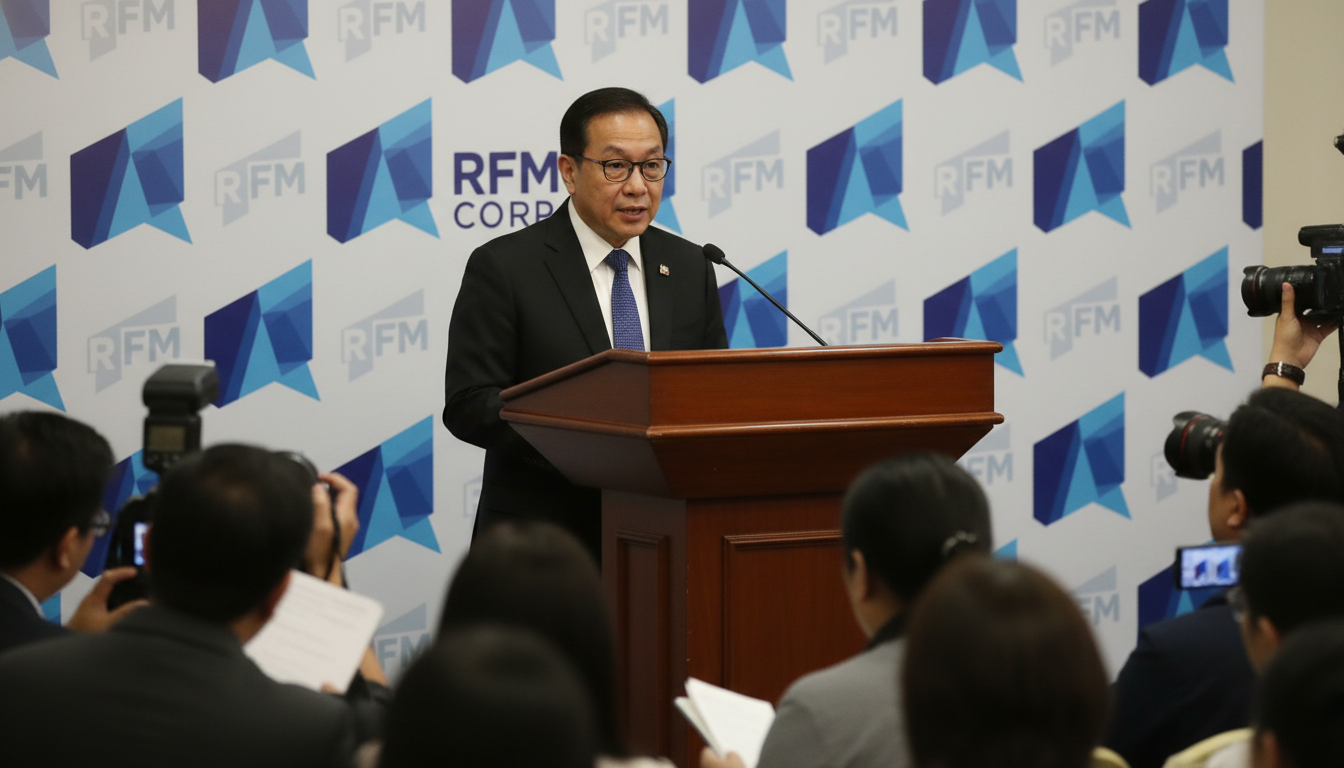
RFM Corp CEO says Iran war impact on Philippine ice cream and beverages is temporary
RFM Corp CEO Jose Maria A. Concepcion III says the Iran war is a short-term risk for the company’s Philippine ice cream and beverage operations, citing post-COVID resilience and supply-chain measures.
TOKYO — RFM Corp’s president and CEO, Jose Maria A. Concepcion III, told reporters in Tokyo that he expects the fallout from the Iran war to be a temporary challenge rather than a lasting threat to the Philippine ice cream and beverage maker. The CEO said the company has fortified its operations since the COVID-19 pandemic and is prepared to manage short-term disruptions to shipping and commodity markets. RFM Corp will monitor commodity prices and logistics closely while prioritizing supply continuity for core brands.
CEO frames risk as temporary
Jose Maria A. Concepcion III emphasized that the company’s immediate exposure to geopolitical shocks is limited by diversified sourcing and strengthened inventory practices adopted after the pandemic. He said management has increased visibility across suppliers and logistics partners to reduce the risk of sudden interruptions. The CEO framed potential cost pressures — such as higher freight or energy-related expenses — as manageable through operational responses and selective pricing adjustments.
Concepcion also pointed to the company’s focus on essential consumer categories, noting that demand for everyday staples and popular frozen treats tends to be more resilient during short-term economic disruptions. He said RFM Corp’s leadership remains focused on execution rather than panic-driven moves, maintaining product availability across both retail and foodservice channels.
Supply-chain adjustments and contingency planning
Since the pandemic, RFM Corp has reportedly diversified its supplier base for key inputs, including dairy, sugar, and packaging materials, to avoid single-source vulnerabilities. The company has also built larger safety stocks for critical ingredients and entered contingency agreements with alternative transport providers. These changes, Concepcion argued, reduce the likelihood that a distant geopolitical event will cause immediate shortages on Philippine supermarket shelves.
Logistics risks remain, however. If the conflict widens or causes sustained spikes in freight costs, food and beverage firms could see margin pressure. RFM Corp’s strategy, according to the CEO, combines tactical inventory management with contract terms designed to share risk across suppliers and distributors.
Cost pressures and pricing strategy
Concepcion acknowledged that commodity and energy price swings resulting from international conflict can affect production costs, but he described these pressures as transient in the current environment. Management said it prefers a measured approach to passing costs to consumers, using targeted price adjustments only where necessary while preserving brand affordability.
The company is also evaluating packaging alternatives and manufacturing efficiencies to limit cost pass-through. Concepcion indicated that RFM Corp will accelerate productivity initiatives where they deliver durable cost savings without eroding product quality or market share.
Domestic demand and brand positioning
RFM Corp’s portfolio — spanning ice cream, beverages and other consumer staples — gives the company exposure to everyday consumer spending, which can support revenue stability in times of market stress. Concepcion highlighted the loyalty of domestic consumers and the continued relevance of value and convenience in product choices.
He noted that promotional activity and product innovation remain central to keeping shelf momentum, especially in urban centers where retail competition is intense. RFM Corp aims to balance promotional investment with margin protection, ensuring popular SKUs stay stocked while new items are introduced selectively.
Regional risks and monitoring
While the CEO downplayed immediate operational fallout, he said the company is watching regional developments and global commodity markets closely. Prolonged escalation that affects oil supplies, insurance costs, or access to major shipping lanes could force broader adjustments across the industry. RFM Corp officials said they maintain regular scenario planning to assess potential impacts and response options.
Concepcion also referenced currency and inflation dynamics as variables that could compound supply-chain stress, underscoring the need for flexible financial and procurement policies. The company’s risk-management team is conducting frequent reviews to ensure quick action if conditions deteriorate.
RFM Corp has sought to strike a balance between preparing for external shocks and continuing routine growth investments. Management stresses that measured, data-driven decisions will guide any major operational shifts rather than reactive measures.
Despite outside concerns about geopolitical fallout, Concepcion’s comments reflect a broader industry view that short-term disruptions can be absorbed when companies have diversified suppliers, stronger inventories, and active contingency plans. For RFM Corp, those adjustments — learned during the COVID-19 era — form the backbone of its response.
The company said it will continue to report developments to stakeholders as necessary while focusing on maintaining supply and serving Filipino consumers.

