
Japan craft distillery tasting tours surge as Toyama’s Saburomaru named top hands-on experience
Craft distillery tasting tours in Japan are surging in popularity as experts have ranked Toyama’s Saburomaru Distillery No. 1 for its hands-on whisky experience, drawing drinkers and tourists to regional artisanal producers. The movement toward small-batch whisky and gin production is reshaping local tourism circuits and expanding interest in tasting tours among domestic and international visitors. Industry observers say the trend reflects growing appetite for immersive, educational experiences that connect consumers to production and place.
Saburomaru Distillery earns top ranking for interactive tours
A panel of spirits and travel specialists placed Saburomaru at the top of a list of craft distilleries for its combination of production access, guided tastings and practical demonstrations. Visitors reported that the distillery’s emphasis on participatory activities — from sampling straight from casks to using traditional tools — distinguished it from more passive tasting rooms. The recognition has amplified Saburomaru’s profile beyond Toyama, positioning the distillery as a model for hands-on experiences in Japan’s burgeoning craft spirits sector.
Growth of craft distillery tasting tours in Japan
Small-batch distillers across Japan have multiplied in recent years, prompting an uptick in organized tasting tours that highlight local methods and ingredients. Tourism operators and local governments have begun packaging distillery visits alongside food, sake breweries and cultural sites to extend visitor stays and spending. The rise of craft distillery tasting tours in Japan mirrors broader trends in experiential travel, where consumers prioritize authenticity and learning over standard sightseeing.
What visitors encounter at hands-on whisky tastings
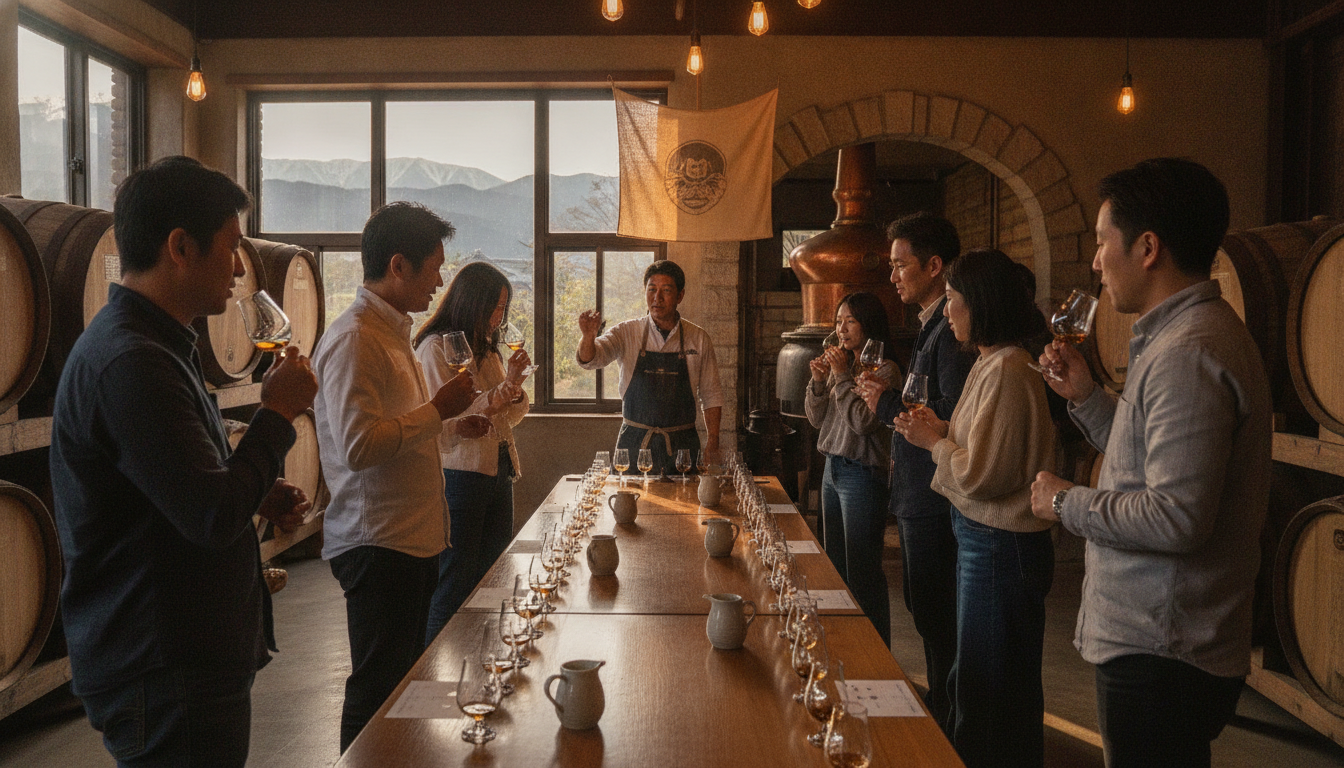
At Saburomaru and similar facilities, guests commonly move beyond simple sampling to engage with production steps and sensory training. Tours often include demonstrations of mashing and distillation processes, tasting sessions focused on aroma and palate, and opportunities to draw spirit directly from casks using sampling tools. These hands-on elements are designed to deepen appreciation for craftsmanship and to create memorable experiences that encourage return visits and word-of-mouth recommendations.
Economic impact on Toyama and surrounding areas
Local officials and business owners report a measurable lift in visitor numbers where distilleries have opened or expanded tour programs. Hotels, restaurants and retail outlets near distilleries say they are benefiting from longer stays and higher per-visitor spending. For smaller prefectures like Toyama, the distillery-driven tourism niche offers a way to diversify economies traditionally reliant on manufacturing, fishing and agriculture.
Distillers respond with varied tour models and products
Producers are adapting quickly, offering tiered experiences that range from brief tastings to multi-hour masterclasses and bottle-blending workshops. Some craft distilleries have added limited releases or visitor-only bottlings to incentivize tours, while others collaborate with local producers to create regionally distinct spirits. The variety of offerings has broadened the appeal of craft distillery tasting tours in Japan, catering to novices and serious collectors alike.
Regulatory and logistical challenges for expanding tours
Despite the momentum, distilleries face hurdles including licensing, safety regulations and capacity constraints that limit tour sizes and frequencies. Craft operations often occupy small premises where accommodating large groups risks disrupting production or diminishing the quality of the visitor experience. Industry groups and municipal authorities are increasingly working together to streamline permitting and to develop infrastructure that supports safe, sustainable tour growth.
Advice for travelers planning distillery visits
Prospective visitors should book tours in advance, check age restrictions and confirm whether visits include hands-on elements or require additional fees. Weekday visits tend to be calmer and may offer more interaction with distillers, while weekend slots can sell out during peak travel seasons. Travelers interested in craft distillery tasting tours in Japan should also look for combined itineraries that link distillery visits with local culinary and cultural experiences to make the most of regional trips.
The recognition of Saburomaru and the broader rise of craft distillery tasting tours in Japan underscore a shift in how travelers seek out alcoholic beverages—not merely as products but as entry points to local stories and skills. As more producers refine their visitor experiences and authorities address operational constraints, distillery tourism is likely to remain a growing component of Japan’s travel landscape, offering new channels for rural revitalization and for consumers to connect directly with small-scale makers.

