
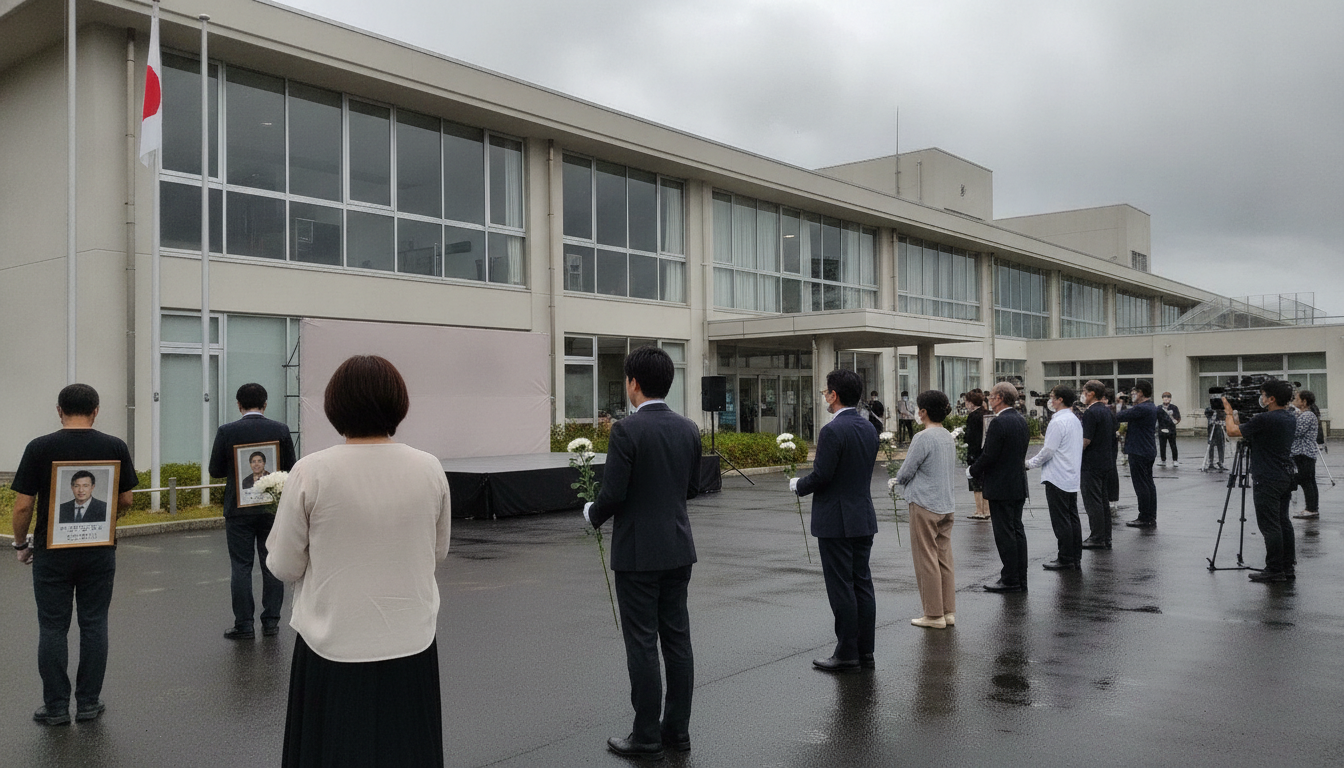
Sagamihara massacre: Ten years on, survivors and families confront memory, fear and calls for change
July 26, 2016’s Sagamihara massacre left 19 residents of the Tsukui Yamayuri En facility dead. Ten years on, survivors, family members and advocates are marking the anniversary on July 26, 2026 while wrestling with persistent prejudice against disabled people and renewed anxieties about copycat violence. This report traces personal testimonies, public reaction and how the episode continues to shape debates about safety, dignity and inclusion in Japan.
Survivor recalls annual visits and lingering fear
Takuya Wada, a 33‑year‑old wheelchair user from Nakano, Tokyo, says he visited the Yamayuri En site to leave flowers on the anniversary for several years after the attack. Having lived in an integrated school‑hospital facility during his youth, he knew people who could not move or speak, and the massacre felt painfully close to home. Wada describes a period after the attack when he and others felt they could be targeted at any time, a sense that turned many communal spaces into sources of anxiety. He also says social media continues to show discriminatory and derogatory posts that fuel his worry about copycat behavior.
Parents say shock turned into personal vigilance
Eiko Shiota, a 48‑year‑old company employee in Shinagawa, remembers learning about the slaughter while nursing her two‑month‑old son. At first she did not connect the atrocity to her daily life as a new parent, but her perspective shifted when developmental concerns were raised about her child. The assailant’s rhetoric resurfaced in her mind, transforming distant outrage into a personal fear for her family’s future safety and social acceptance. That change, she says, led her and others to rethink how they prepare and protect children who may be judged or marginalized.
Online hate and public discourse remain contested
Ten years after the massacre, advocates and those directly affected point to a persistent strain of hostility against people with disabilities in online and public discourse. Posts on social networks that demean or dehumanize disabled people still appear, according to interviews, and they are experienced as a real threat by many families. Experts and campaigners argue that such rhetoric normalizes violence and can incubate extremist thinking among vulnerable individuals. At the same time, others in the public sphere have pushed back, using anniversaries and education campaigns to counter prejudice and promote inclusive language.
Commemorations reflect private grief and public unease
Each year around July 26 small vigils and flower offerings take place near the former facility and at related memorials across Japan. For many survivors and relatives, visiting the site is a way to honor the victims and to assert that the lives lost are not forgotten. Yet some who attend say they wish the public would not repeatedly amplify the assailant’s views, fearing media coverage could inspire imitators. Commemorations thus balance remembrance with caution, aiming to preserve dignity without sensationalizing the perpetrator.
Advocates press for policy change and better supports
Disability rights groups and family organizations say the massacre exposed deeper societal failures, including inadequate community supports and a lack of effective measures to prevent hate‑motivated violence. Over the past decade some local authorities have expanded outreach, service coordination and emergency planning for people with complex needs, but campaigners say progress is uneven. Advocates continue to demand stronger anti‑discrimination measures, better training for public servants, and more resources for community‑based care to reduce the isolation that makes institutions and individuals vulnerable.
Public debate shifts but practical gaps persist
The Sagamihara massacre prompted national conversation about ableism and the value of disabled lives, shifting some public attitudes and legal discussions. Education initiatives and awareness campaigns have sought to reframe disability in terms of rights and social participation rather than charity or burden. Nevertheless, interviews with families and advocates reveal ongoing gaps between rhetoric and practice, particularly in rural areas and among strained local administrations. Many say that true change requires sustained investment, legal protections and a cultural shift that accepts difference as a normal part of community life.
Ten years after the killings that claimed 19 lives at Tsukui Yamayuri En, the anniversary on July 26, 2026 remains a fraught moment of mourning, reflection and activism. Survivors and relatives continue to demand measures that protect dignity and safety while resisting narratives that amplify hatred. Their testimony underscores that remembrance is not only about honoring the dead but also about confronting the prejudices that made the violence conceivable and ensuring such a tragedy cannot recur.

