
Samsung to Quadruple Demo Zones for Foldable Smartphones Across Japan
Samsung expands demo zones for foldable smartphones nationwide in Japan, boosting hands-on trials with retailers to increase sales and consumer awareness.
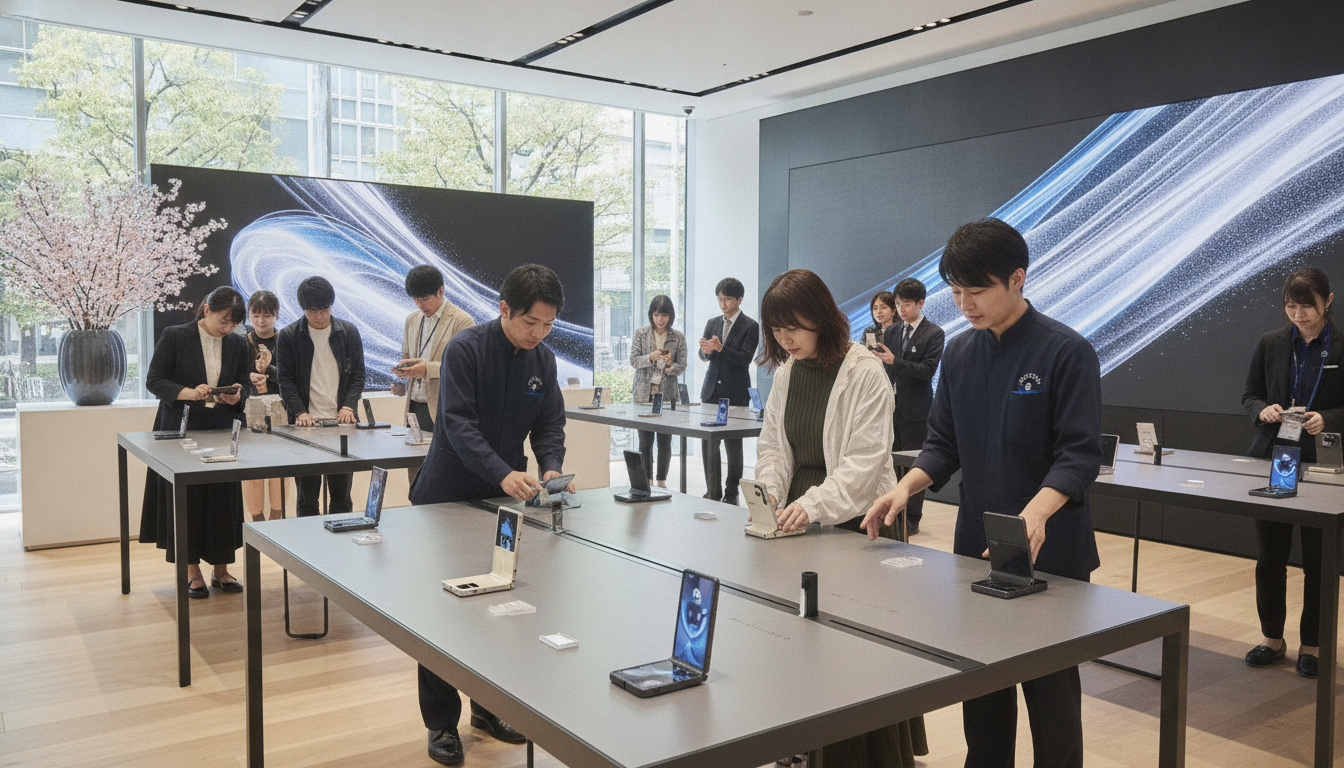
Samsung Electronics is rolling out a stepped-up, experience-based marketing push for its foldable smartphones in Japan, increasing in-store demo spaces where shoppers can touch and test devices. The company plans to expand and refresh display areas — including video-friendly showcases — to give customers extended hands-on time with its Z-series foldables. Retail partners in major electronics districts, such as Akihabara, will host the new sections as Samsung seeks to convert interest into purchases.
Expansion plan and scope
Samsung intends to significantly increase the number of experiential spots dedicated to foldable smartphones, with company materials indicating plans to roughly quadruple display areas in the coming months. The expanded sections will feature larger screens, interactive video content, and staffed demo counters to guide consumers through folding mechanisms and software features. Samsung is positioning these in high-traffic electronics stores and shopping centers to maximize visibility during the autumn sales period.
Retail partners will receive new fixtures and promotional materials to support the rollout, and some locations are scheduled to open dedicated Samsung zones that emphasize the devices’ multimedia and productivity capabilities. The company views extended in-person demonstrations as key to overcoming consumer hesitation tied to unfamiliar form factors and premium price points.
Retail rollout and flagship locations
Major electronics retailers in Tokyo and other urban centers will be central to the campaign, with stores in districts known for tech shopping taking early placements. A dedicated Samsung section is already visible at Yodobashi Camera Multimedia Akiba in Tokyo’s Akihabara district, showcasing video-rich displays and staffed demo stations. Samsung will replicate similar setups in other flagship stores and select regional dealers to create a nationwide footprint.
Smaller carrier shops and pop-up venues in department stores and transit hubs will complement the flagship zones, offering shorter but frequent interaction points for commuters and casual shoppers. Retailers expect the experiential approach to help staff explain foldable-specific features such as multi-window workflows, hinge durability, and camera modes that leverage the flexible display.
Marketing strategy and consumer targeting
The campaign emphasizes tactile engagement and video demonstrations to highlight advantages that are difficult to convey online, such as hinge smoothness, screen continuity when folded, and use cases for multitasking. Samsung’s marketing teams are deploying trained demonstrators and in-store tutorials to walk customers through real-world scenarios like editing photos on the unfolded display or using the cover screen for quick tasks.
Samsung is targeting both early adopters and mainstream consumers who value productivity and multimedia performance. The company believes that extended, guided trials will lower the psychological barrier created by higher price points and unfamiliar ergonomics, converting curiosity into purchases for a small but growing segment of shoppers.
Industry context and competition
Foldable smartphones have moved from niche curiosity to a visible segment of the premium smartphone market, with manufacturers emphasizing design, hinge reliability and software optimization. Samsung, an early mover in the category, is leveraging its scale and retail partnerships to maintain momentum amid intensifying competition. The experiential push reflects broader industry practice where tactile product experiences — particularly for form-factor innovations — prove crucial to adoption.
Retailers and industry observers note that while awareness of foldables has risen, actual purchase decisions often hinge on the ability to test devices in person. In this environment, larger, immersive demo zones create a tangible advantage for brands able to invest in on-the-ground retail experiences.
Consumer reaction and early metrics
Initial customer feedback from Akihabara and other trial sites indicates strong interest among younger shoppers and professionals who appreciate the multitasking capabilities of larger, foldable screens. Demonstrators report that visitors who spend extended time with the devices are more likely to engage in longer conversations about accessories, trade-in options and carrier plans. Retail staff also say the video-centric displays help illustrate use cases that static models struggle to convey.
Sales conversion metrics will be closely monitored through the autumn campaign, with Samsung and retail partners tracking dwell time, demo-to-sale ratios, and accessory take-up. Early in-store indicators suggest an uptick in demo engagement, but conversion to purchase remains dependent on stock availability and promotional pricing.
Logistics, pricing and potential hurdles
Despite the marketing push, challenges persist that could temper the campaign’s impact. Foldable smartphones remain positioned at the premium end of the market, and high retail prices could limit rapid mass adoption. Supply chain constraints and inventory allocation will also shape the rollout pace; retailers say they are coordinating closely with Samsung to match demo capacity with available stock for immediate purchase.
Moreover, educating staff across hundreds of stores and ensuring consistent demo quality are operational hurdles that Samsung must manage to protect the customer experience. The company’s investment in training and standardized display kits aims to mitigate inconsistencies but will require ongoing oversight.
Early September openings of expanded demo zones are expected to coincide with promotional campaigns and product updates, reinforcing Samsung’s effort to make foldable smartphones both visible and approachable. Observers will be watching whether greater direct engagement in stores translates into sustained sales growth for the category.
Retailers report that shoppers who try foldable smartphones often return to compare models, signaling that sustained in-store presence could be as important as initial impressions in driving long-term sales.

