
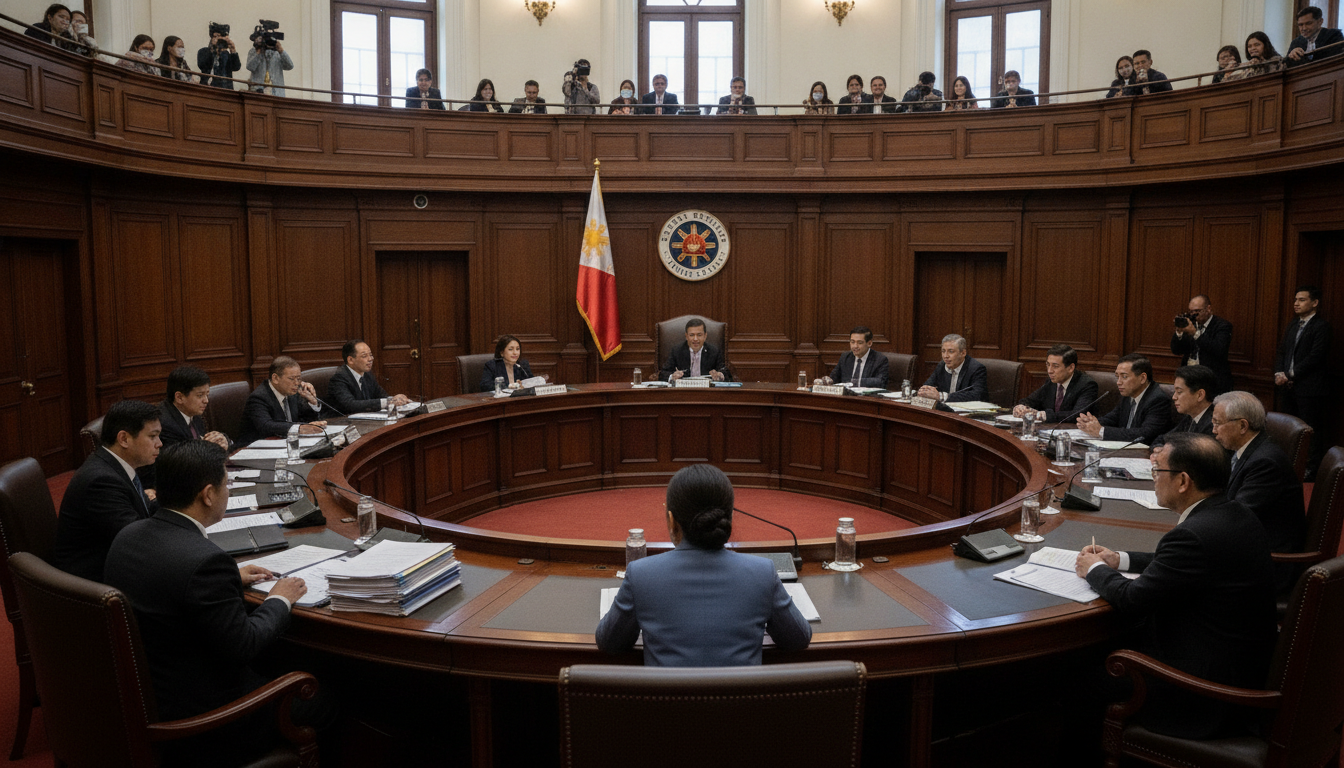
Sara Duterte impeachment trial opens in Philippine Senate, threatening 2028 presidential bid
Senate opens Sara Duterte impeachment trial July 6 in Manila; proceedings could bar her from the 2028 presidential race and deepen long-running dynastic rifts.
The Senate is set to begin the Sara Duterte impeachment trial on July 6, a high-stakes legal and political confrontation that could disqualify the vice president from the 2028 presidential contest. The proceedings mark a rare escalation in national politics and are expected to sharpen the divide between the country’s most powerful political families. Senators will preside over testimony and deliberations that could culminate in a conviction carrying significant legal and electoral consequences.
Trial opening and immediate stakes
The trial’s opening session will frame the allegations and set procedural rules for evidence and witness testimony. If senators find Duterte guilty, constitutional provisions would bar her from holding public office, effectively ending any presidential bid in 2028. The immediate weeks of hearings will therefore be watched closely by political operatives, voters and market observers.
Nature of the complaint and allegations
The impeachment complaint lodged against the vice president alleges misconduct in office and other acts cited by the complainants as grounds for removal. Formal articles of impeachment set out the charges that senators will evaluate through testimony and documentary evidence. The specifics to be examined will shape both the legal arguments in the chamber and the political narratives outside it.
Legal threshold and implications for the 2028 race
A conviction in the Senate would have direct electoral implications by disqualifying Duterte from candidacy in future national elections. Under the Constitution, removal by impeachment also carries the penalty of disqualification from public office, a consequence that places the 2028 presidential contest squarely at the center of the legal fight. Legal teams on both sides are expected to contest the interpretation of relevant provisions and the sufficiency of evidence.
Senate procedure and expected timeline
Senate trial rules will determine the order of presentations, the admissibility of evidence, and the schedule for witness testimony. Both prosecution and defense typically have opportunities for direct examination, cross-examination and filings that can extend proceedings over weeks or months. Senators will have to balance demands for a thorough inquiry with pressure to move the country’s legislative agenda forward.
Political fallout across dynastic alliances
The trial is likely to intensify tensions between political blocs and could realign alliances ahead of the next presidential election. Observers expect the dispute to deepen existing rifts and to force regional and local leaders to declare loyalty or distance themselves from the vice president. Campaign organizations and party machines already planning for 2028 may revise strategies in response to developments in the chamber.
Public reaction and international attention
Public responses have ranged from vocal support among the vice president’s base to calls for accountability from her critics, with demonstrations and rallies expected as the trial proceeds. Civil society groups and legal scholars are watching the proceedings for precedent on accountability and constitutional limits. International partners and investors will monitor the institutional handling of the case for signs of political stability.
The outcome of the Sara Duterte impeachment trial will shape the political landscape well beyond the courtroom, influencing candidate selection, campaign messaging and the broader balance of power. Whatever the result, the trial will be a defining episode in the run-up to the 2028 presidential election and a test of the Philippines’ institutions under intense public scrutiny.

