
Sony CEO Totoki says AI in gaming will drive content evolution and reinvigorate the industry
Sony CEO Hiroki Totoki says AI in gaming can revitalize content and spur industry innovation, outlining strategic priorities at a May 8, 2026 briefing.
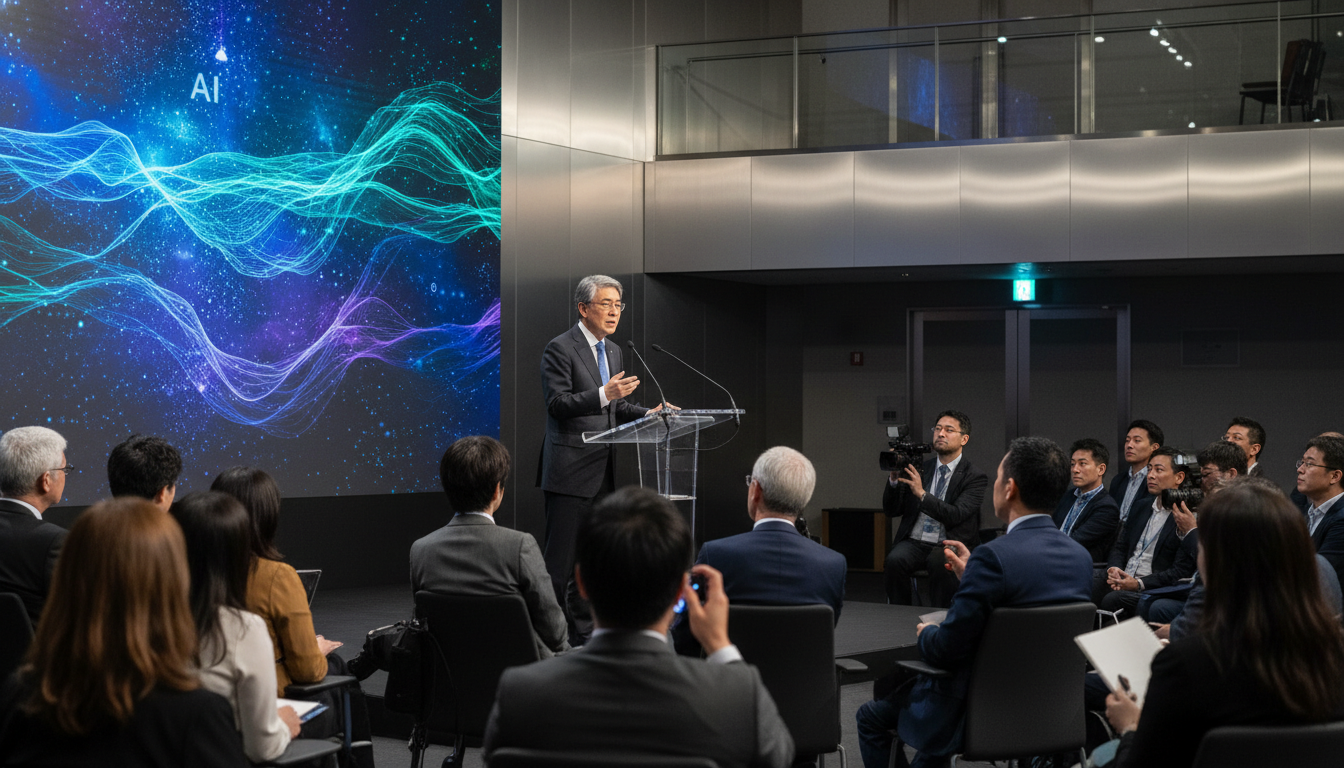
Sony Group President and CEO Hiroki Totoki on May 8, 2026, told investors and industry observers that artificial intelligence in gaming can propel a new phase of content evolution and help reinvigorate the sector. Totoki framed AI as a practical tool to expand creative possibilities within games, while stressing the need for careful integration across studios and platforms. His comments, delivered during a corporate strategy briefing, set expectations that Sony will pursue AI-driven content initiatives alongside its existing entertainment businesses.
Totoki’s Remarks at the May 8 Strategy Briefing
Totoki opened the strategy session by highlighting the opportunities AI offers for content development and player engagement. He described AI as an enabler for continued evolution in the gaming sector rather than a replacement for human creativity. The executive emphasized that leveraging AI will be important to sustain long-term growth across Sony’s playbook of hardware, software and services.
AI as a Catalyst for New Game Content
Executives at Sony cast AI in gaming as a catalyst for richer narratives, more dynamic worlds and personalized experiences for players. Totoki suggested that intelligent tooling can help studios iterate faster and explore novel forms of interactive storytelling. The implication is that AI-generated or AI-assisted content could broaden the scope of titles Sony’s studios and partners can develop.
Practical Applications Highlighted by the Company
During the briefing, Sony outlined the concept that AI could support creation workflows, improve non-player character behavior and enable adaptive game systems. Totoki linked these capabilities to a potential uptick in content diversity and player retention without detailing specific product plans. While the company stopped short of announcing new AI products, the remarks signaled a strategic interest in integrating AI across multiple stages of game production and live services.
Technical and Creative Challenges for Developers
Adopting AI in gaming introduces technical hurdles including model optimization for real-time gameplay and integration with existing engines. Developers will need to reconcile large models’ computational demands with console and cloud constraints to maintain performance and user experience. Creative teams also face the task of ensuring AI output aligns with design intent, quality expectations and the unique voice of established franchises.
AI also raises intellectual property and content provenance questions that studios must address. Rights management, the provenance of training data and crediting of creative contributions are emerging issues that could influence how game companies use generative tools. Industry stakeholders expect that clearer standards and internal policies will be necessary to avoid legal and ethical disputes.
Business Strategy and Investment Signals
Totoki’s comments were framed within a broader corporate strategy that positions content as a core growth vector for Sony Group. Observers noted the remarks suggest possible reallocations of research and development resources toward AI capabilities that complement Sony’s PlayStation ecosystem. The company appears to view AI as a strategic enabler rather than a standalone revenue source, linking technological investment to higher-value content and services.
Sony has historically balanced hardware sales, first-party studios and third-party partnerships to sustain its gaming business, and AI could reshape that balance by lowering some production costs while enabling new monetization models. Totoki did not disclose investment figures during the briefing, leaving analysts to watch subsequent earnings reports and product announcements for concrete spending plans.
Market Reaction and Investor Watchpoints
Market participants and industry analysts responded to Totoki’s remarks by seeking further detail on timelines, partnerships and the scope of deployments. Investors will likely focus on upcoming quarterly disclosures and Sony’s product roadmap to gauge how quickly AI initiatives move from concept to revenue-generating features. Companies that can demonstrate practical AI applications in live games or development pipelines may gain a competitive edge in attracting talent and publisher partnerships.
The broader gaming industry will monitor how Sony addresses regulatory, ethical and IP concerns while pursuing AI-driven innovation. Clear communication about safeguards and creative governance will be essential to maintain player trust as studios experiment with generative systems.
Sony’s positioning of AI in gaming at the May 8 briefing underscores a deliberate attempt to link technological possibility with the company’s content ambitions. Totoki framed AI as a tool to expand what studios can create and to renew player engagement, while signaling that implementation will be measured and aligned with Sony’s existing entertainment strategy.
Looking ahead, developers, investors and regulators will be watching for concrete product announcements, partnerships and policy commitments that translate Totoki’s AI vision into operational practice. The trajectory Sony outlines over coming quarters will help determine how quickly artificial intelligence in gaming moves from experimental integration to mainstream content production.

